
 Mama FM
Mama FM
Mama FM
11 June 2026, 10:48 am
By Byamukama Alozious
Health experts and reproductive health advocates have raised concern over increasing stigma, misinformation and unsafe abortion practices that continue to endanger the lives of women and girls in Uganda.
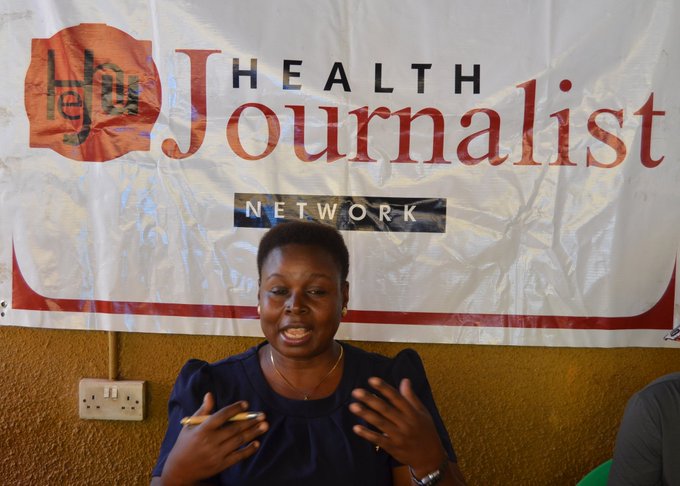
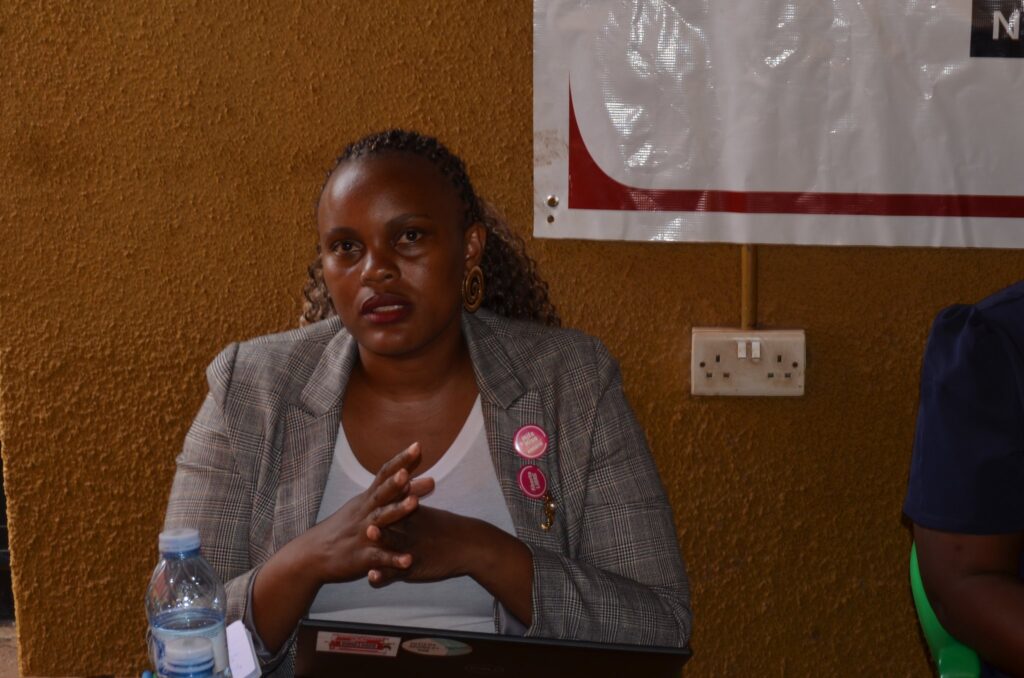
The concerns were raised during a Science Café organized by the Health Journalists Network in Uganda (HEJNU). The dialogue brought together, health workers and reproductive health advocates to discuss safe abortion care, reproductive justice and responsible health reporting.
The Science Café is part of a series of engagements being conducted by HEJNU under the CATALYSTS Consortium Project aimed at building the capacity, skills and knowledge of journalists in Uganda to report accurately, ethically and factually on science and health-related issues.
Through the initiative, journalists are being equipped with skills to report fairly, reduce misinformation and promote evidence-based public dialogue on sensitive health topics, including reproductive health and rights.
Speakers at the meeting said cultural beliefs and insensitive media coverage continue to fuel fear, discrimination and silence around abortion-related healthcare services.
“The cultural perspective often views people involved in abortion-related services as immoral or against societal values. The media also tends to generalize abortion negatively, increasing stigma and misunderstanding,” said Editah Kamagara, a reproductive health advocate.
According to the World Health Organization (WHO), unsafe abortion remains one of the leading causes of maternal injuries and deaths globally, particularly in developing countries.
Experts say that abortion-related complications contribute significantly to maternal deaths in Uganda, with many women and girls resorting to unsafe procedures due to stigma, poverty and limited access to reproductive health information.
A survivor whose identity has been withheld for privacy and confidentiality told heaklth journalists that she recounts her experience of seeking an abortion at the age of 15 after an unwanted pregnancy in 2014.
“I went to a clinic where I was given drugs to assist with the procedure. After returning home, I experienced severe pain and bleeding, and one fetus was expelled,” she narrated.
She later discovered she had been carrying twins after a second fetus was expelled hours later.
The survivor said the incident left her critically ill and emotionally traumatized, highlighting the dangers many girls and women face when they seek unsafe abortion services in secrecy.
Joyce Najjemba, a nursing officer at Mulago Specialized Women and Neonatal Hospital, explained that Ugandan law allows abortion under specific medical circumstances where the life or health of the mother is at risk.
“Some pregnant women present with severe high blood pressure and other serious medical complications that may threaten their lives. In such circumstances, the law permits medical intervention to protect the woman,” Najjemba said.
She added that exceptions may also apply in cases involving rape, defilement and severe HIV-related complications.
Participants emphasized the need for journalists to report reproductive health stories with accuracy, empathy and confidentiality, particularly when handling stories involving survivors of unsafe abortion and sexual violence.
Speakers urged the media to avoid sensational reporting and instead provide balanced and factual information that helps communities better understand reproductive health challenges while encouraging women and girls to seek timely healthcare services.