
 Mama FM
Mama FM
Mama FM
29 May 2026, 4:17 pm
By Byamukama Alozious
Society can be more disabling than disability itself due to negative attitudes, inaccessible environments and communication barriers, disability rights advocates have said.
The remarks were made during a breakfast meeting on disability-inclusive reporting organised by the Uganda Women’s Media Association (UMWA) in collaboration with the National Union of Disabled Persons of Uganda (NUDIPU) and the East African Centre for Disability Law and Policy.
The engagement, held in Kampala and supported by the Disability Rights Fund, brought together reporters, editors, media managers and journalism organisations to strengthen accurate and inclusive reporting on disability issues in Uganda. The meeting focused on promoting disability-sensitive journalism and improving the representation of persons with disabilities in media coverage.
According to the Uganda Bureau of Statistics (UBOS) National Population and Housing Census 2024 Disability Monograph, 13.2 per cent of Uganda’s population aged two years and above live with some form of disability, representing about 5.5 million people. The report also shows that disability prevalence is higher among women at 13.8 per cent compared to 12.5 per cent among men.
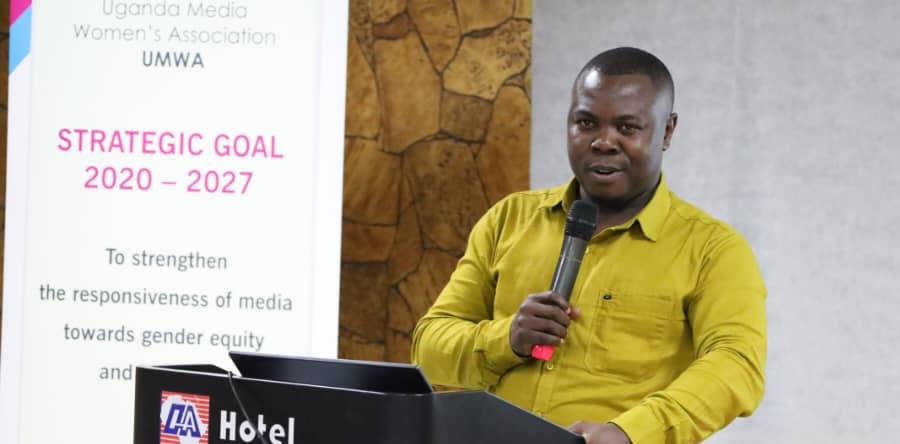
Speaking during the engagement, Mr Nangosi David, Programmes Officer at NUDIPU, challenged journalists to rethink how society views disability.
“Society is more disabling than disability itself due to negative attitudes, inaccessible environments and communication barriers,” Mr Nangosi said.
He stressed that persons with disabilities should not be treated as objects of pity or charity.
“Persons with disabilities are not abnormal, useless or without value. They deserve the full right to live like every other human being,” he said.
Mr Nangosi also criticised the medical model of disability, which he said wrongly views persons with disabilities solely as patients.
“The medical model looks at persons with disabilities as patients, but not every person with a disability is a patient. If I were a patient, I would not be standing here speaking to you this morning,” he said.
He explained that many of the challenges faced by persons with disabilities are caused by society itself.
“Disability becomes more visible when the environment is inaccessible,” Mr Nangosi added.
He further noted that disability can also result from human actions such as reckless driving, violence and unsafe environments, calling for stronger prevention and inclusion measures.
“The human rights model recognises persons with disabilities as people whose rights must be promoted and protected,” he added.
Recent UBOS data shows that many persons with disabilities continue to face barriers in education, employment and access to information. More than half, 51.3 per cent, of children with disabilities aged between 6 and 24 years are out of school, while internet usage among persons with disabilities stands at only 5.9 per cent nationally.
Ms Laila Ndagire, a media trainer at UMWA, while providing practical tips on disability-inclusive reporting, urged journalists to intentionally include persons with disabilities in stories and public discussions.
“If you do not give persons with disabilities a chance to speak, you will never understand their feelings and experiences. Journalists need to be intentional about inclusion and should never discriminate,” she said.
Ms Ndagire warned that stereotypes about disability remain widespread in society and can easily be reinforced through careless reporting.
“Stereotypes about persons with disabilities are everywhere in society, and as journalists we should work towards changing that. What is said on radio, television or written in newspapers is often taken as the truth, so we must be careful not to reinforce negative stereotypes,” she said.
She also challenged journalists to make information accessible to all audiences regardless of disability.
“We need to think about the different types of disabilities and make information accessible to everyone. Whether it is online publishing, radio or television, journalists should consider persons with disabilities when sharing information,” Ms Ndagire added.
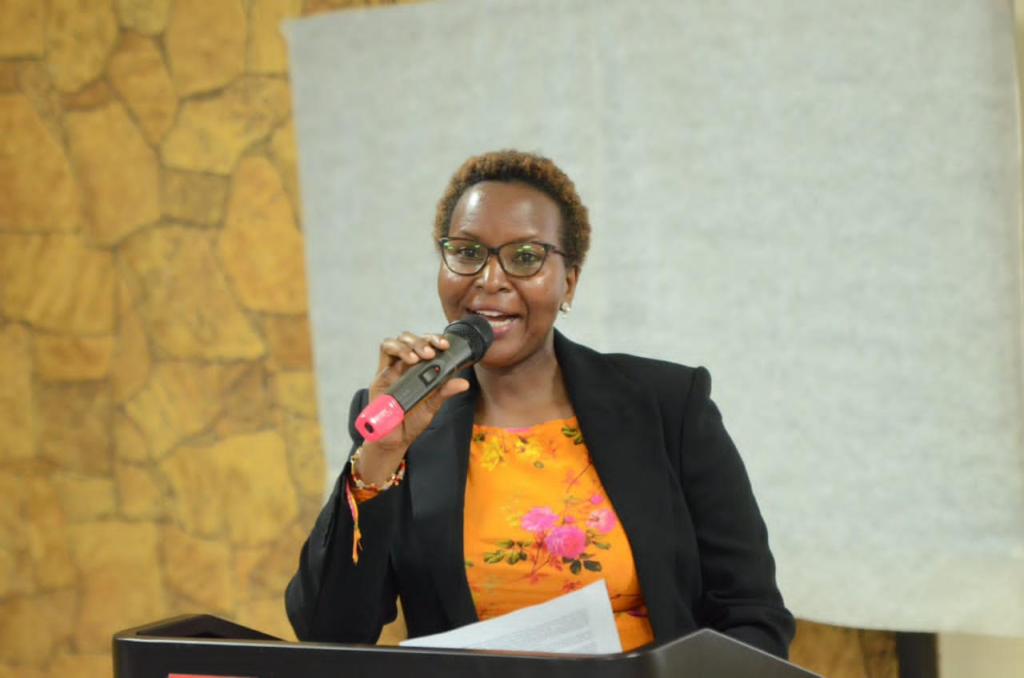
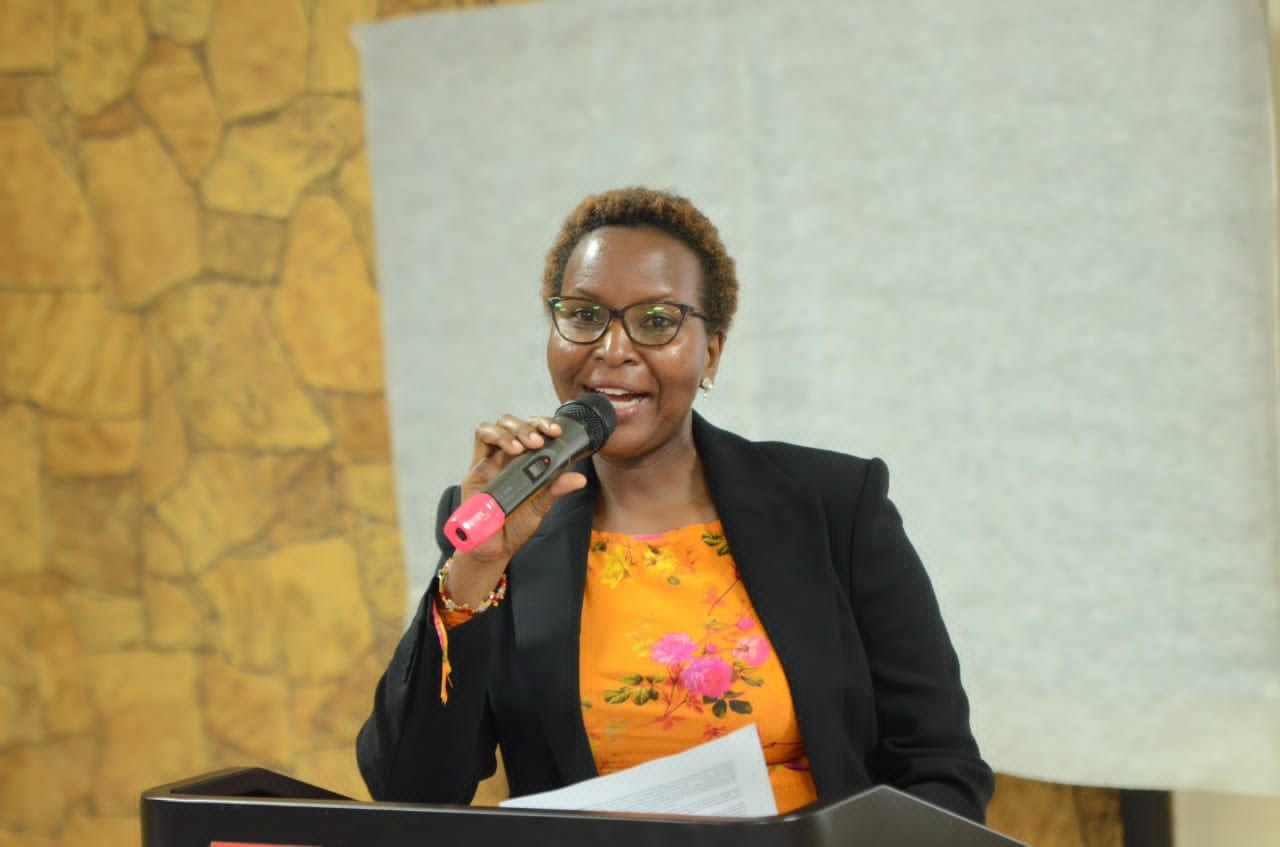
Ms Doreen Sampa, Programmes Officer at UMWA, said the engagement aimed to promote inclusive reporting, as persons with disabilities are often left out of news programmes, stories and public conversations.
She said media managers, editors and journalists from various media houses and associations, including the Uganda Journalists Association, Parliamentary Press Association and online media practitioners, were targeted because they influence newsroom policies and editorial decisions.
Ms Sampa noted that inclusive journalism can help reduce stigma, promote human rights and increase the visibility of persons with disabilities in society.
Participants also highlighted challenges faced by journalists in reporting disability stories, noting that such coverage is often neglected due to limited newsroom prioritisation, lack of training and few dedicated reporting opportunities.
Advocates, however, called on journalists to view disability reporting not as charity, but as a human rights and development issue that deserves consistent and professional coverage.