
 Mama FM
Mama FM
Mama FM
27 May 2026, 11:49 am
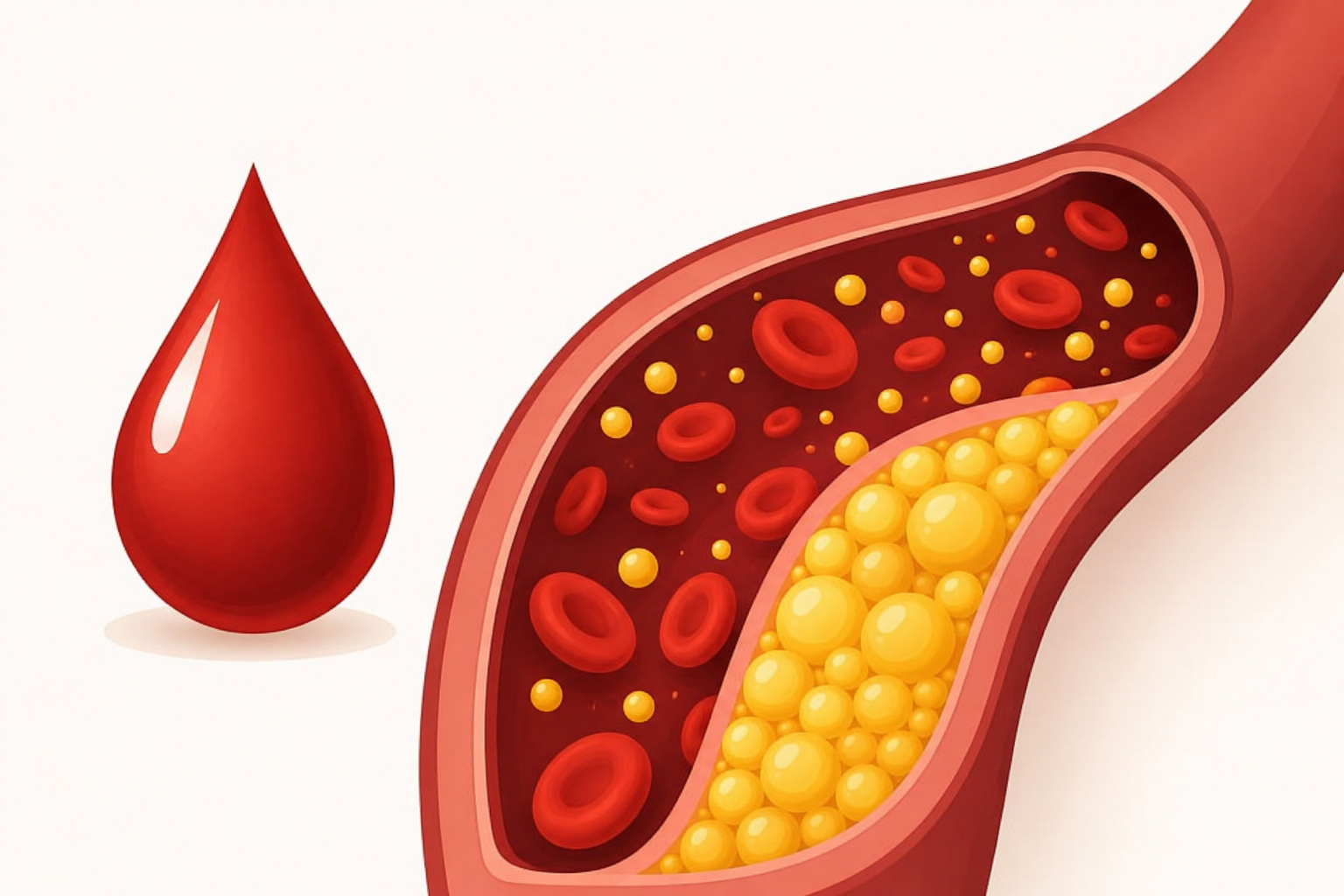
Triglycerides are among the most common types of fat found in the blood. In normal amounts, they are essential because the body uses them for energy. However, when triglyceride levels remain high over time, they can increase the risk of heart disease, stroke and other serious health complications.
As non-communicable diseases continue to rise in Uganda and across the world, more people are developing abnormal blood fat levels due to unhealthy diets, obesity, diabetes and physical inactivity. Unfortunately, many people do not know they have high triglycerides because the condition often develops silently without symptoms.
Triglycerides mainly come from two sources. The first is dietary fat from foods such as cooking oils, fatty meat, butter and full-fat dairy products. The second source is excess calories, especially from sugary foods and drinks. When the body does not immediately use these calories for energy, the liver converts them into triglycerides and stores them in fat cells.
Doctors use a simple blood test to measure triglyceride levels, often alongside cholesterol screening to assess overall heart health. Healthy fasting triglyceride levels are generally below 1.7 mmol/L. Levels above this may increase the risk of cardiovascular disease, particularly when combined with conditions such as high blood pressure, diabetes, obesity or high cholesterol. Extremely high triglyceride levels can also lead to pancreatitis, a dangerous inflammation of the pancreas that may require urgent medical care.
One of the leading causes of high triglycerides today is poor diet. Frequent consumption of sugary drinks, cakes, sweets, biscuits, processed snacks and refined carbohydrates like white bread may gradually raise blood fat levels. Alcohol intake also contributes significantly, while lack of exercise and excess abdominal weight further increase the risk.
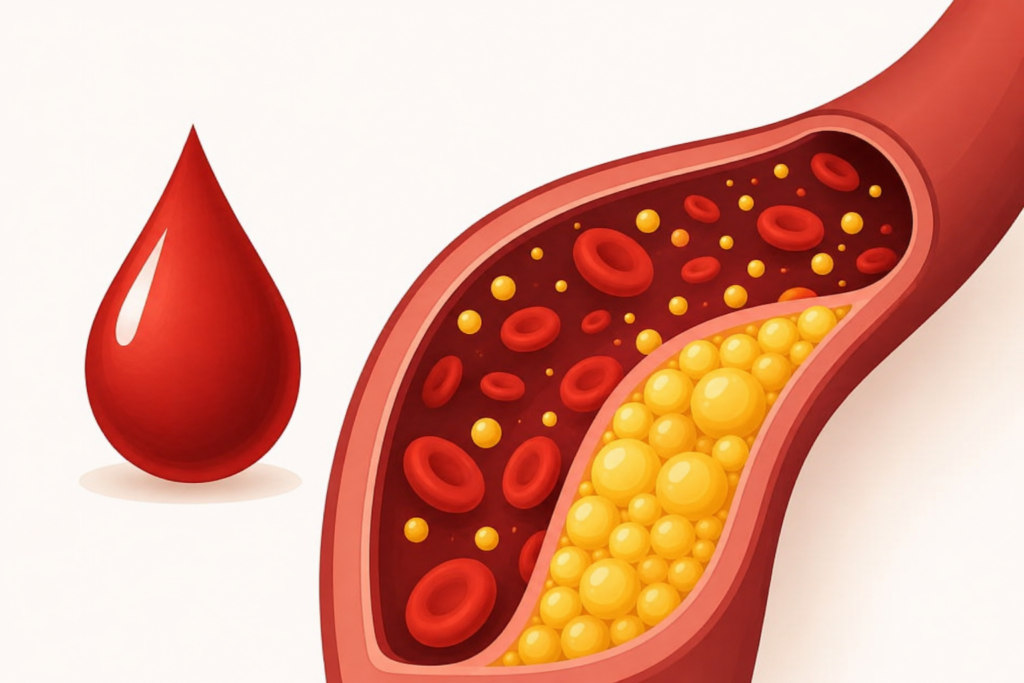
People living with type 2 diabetes or metabolic syndrome are particularly vulnerable because the body struggles to regulate sugar and fat metabolism properly. In some families, inherited genetic conditions may also play a role in abnormal triglyceride levels.
The good news is that lifestyle and nutrition changes remain the most effective way to control triglycerides for many people. Reducing added sugar is especially important. Sweetened beverages such as sodas, energy drinks and heavily sweetened juices are among the biggest contributors to excess triglyceride production. Replacing them with water or unsweetened drinks can greatly improve blood fat levels.
Reducing saturated fats is equally important. Fatty meat, processed meat products, deep-fried foods, butter and high-fat dairy products should be limited. Instead, healthier fats from fish, nuts, seeds and vegetable oils such as sunflower or olive oil are recommended in moderate amounts.
Refined carbohydrates should also be reduced. Foods like white bread, highly processed cereals and large portions of white rice may contribute to raised triglycerides when eaten regularly. Whole grains, beans, vegetables and high-fibre foods are healthier alternatives because they help control blood sugar and improve satiety.
Regular physical activity also plays a major role in lowering triglycerides. Exercise helps the body use fat more efficiently instead of storing it. Moderate activities such as brisk walking, jogging, cycling, farming and active household chores can improve blood fat levels when done consistently.
Weight control is another key factor. Losing even a small amount of excess weight may significantly lower triglycerides and improve heart health. Smoking cessation is also encouraged because smoking further increases the risk of cardiovascular disease.
Alcohol deserves special attention because even moderate drinking may sharply increase triglyceride levels in some people. Individuals with very high triglycerides are often advised to reduce alcohol intake significantly or avoid it completely.
As cases of non-communicable diseases continue to increase, routine medical check-ups, healthy eating, regular exercise and weight management remain essential in preventing complications linked to high triglycerides. Early detection and lifestyle changes can go a long way in protecting long-term heart health.
The writer is Kamara Daniel a nutritionist at Bwindi community hospital and nutritionist of the year 2025.