
 Mama FM
Mama FM
Mama FM
26 June 2026, 4:06 pm
By Byamukama Alozious
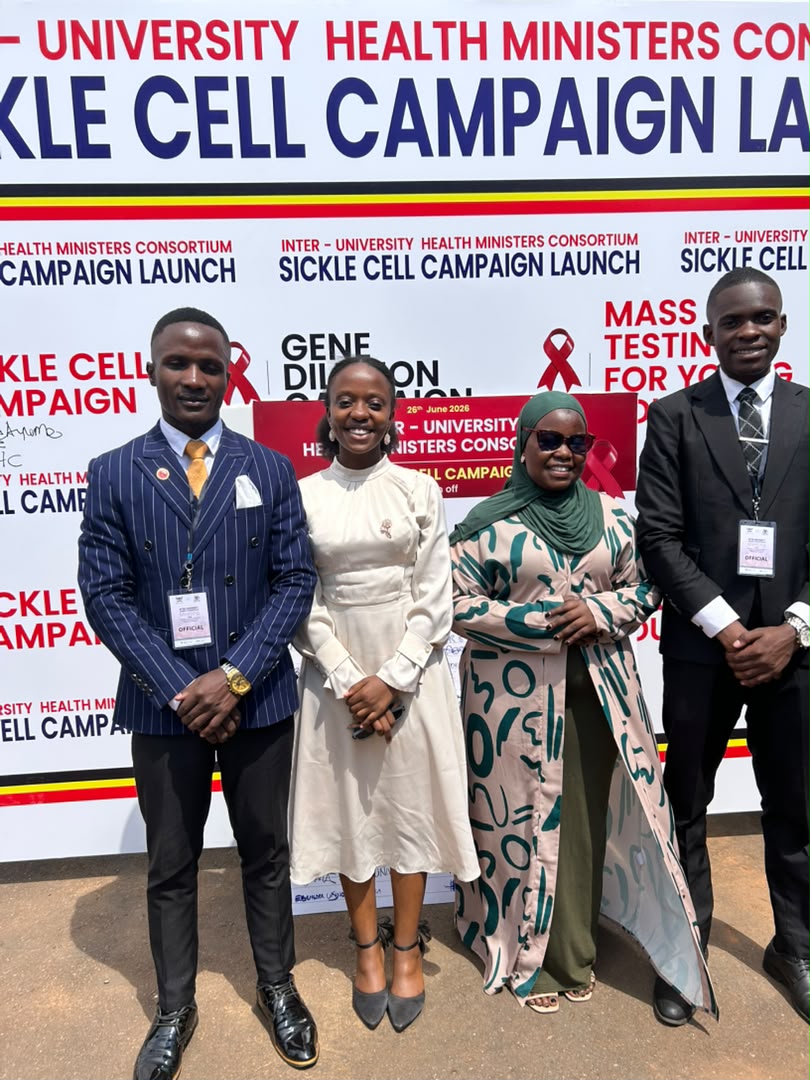
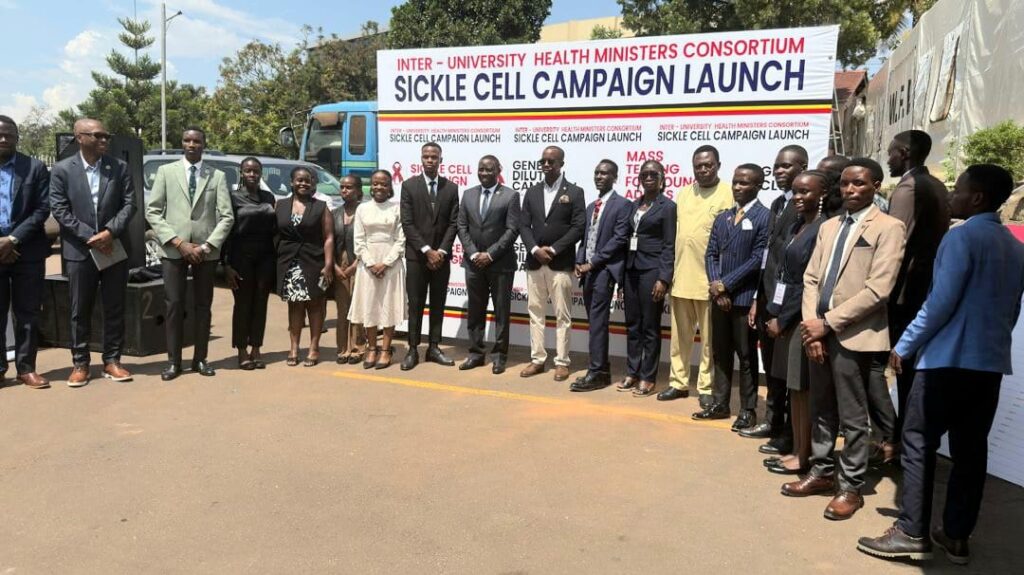
More than 80 universities and institutions of higher learning have launched the Inter-University Sickle Cell Disease Screening and Awareness Programme, an initiative aimed at strengthening nationwide awareness, promoting routine screening, and encouraging informed reproductive health decisions among young people.
The programme brings together the Ministry of Health, university student leaders, and health professionals to increase awareness of sickle cell disease and encourage young Ugandans to know their sickle cell status before starting families.
Speaking at the launch, State Minister for Primary Health Care, Charles Ayume, said Uganda is giving greater national attention to sickle cell disease. He noted that before joining the Ministry of Health, Parliament debated a motion tabled by Hon. Asuman Basalirwa calling for stronger action against the disease, reflecting growing recognition of its burden on the country. He added that Uganda’s recent successful bone marrow transplant at Mulago National Referral Hospital demonstrates the country’s commitment to improving treatment and care.
“Bringing together student leaders in health will help us reach communities. We want young people to know their sickle cell status before making reproductive decisions because prevention starts with informed choices,” Dr Ayume said.
The Ministry of Health’s National Coordinator for Sickle Cell Disease, Dr Miriam Ajambo, said the campaign targets university students because they are at a stage where they are making important life decisions. While newborn screening helps identify babies with sickle cell disease early and link them to treatment, she said the long-term goal is to reduce the number of children born with the condition through screening and counselling before couples have children.
“Uganda gets more than 20,000 babies born with sickle cell disease every year. We have to bring these numbers down by engaging young people before they make decisions to have children. They need to know their sickle cell status and choose wisely,” Dr Ajambo said.
She explained that two people who both carry the sickle cell trait have a 25 per cent chance of having a child with sickle cell disease in every pregnancy. She therefore encouraged young people to know not only their own genotype but also that of their partners before committing to long-term relationships. Participants at the launch were screened and will return to their universities as ambassadors to promote testing and awareness among fellow students.
Chairperson of the Inter-University Health Ministers Consortium, Wamezaya Ebenezer, said student leaders from universities and other institutions of higher learning will spearhead the campaign by promoting sickle cell awareness and screening on their campuses and in surrounding communities. He said the consortium plans to organise medical camps, seminars and workshops to ensure more young people know their genotype before making reproductive decisions.
“Our vision is for every student to know their genotype. At Makerere alone, I am planning a medical camp targeting more than 10,000 people. As health ministers across universities, we have been trained to take this message to our campuses and communities. If we do our part, we shall contribute to reducing the burden of sickle cell disease in Uganda,” Ebenezer said.
The Inter-University Sickle Cell Disease Screening and Awareness Programme is expected to strengthen collaboration between universities and the Ministry of Health as Uganda intensifies efforts to reduce new cases of sickle cell disease while improving care for those living with the condition.