
 Mama FM
Mama FM
Mama FM
7 August 2026, 8:47 pm
By Byamukama Alozious
Health sector stakeholders have urged a health advocacy coalition to turn evidence gathered from communities and health facilities into practical policy action to address gaps in Uganda’s health system.
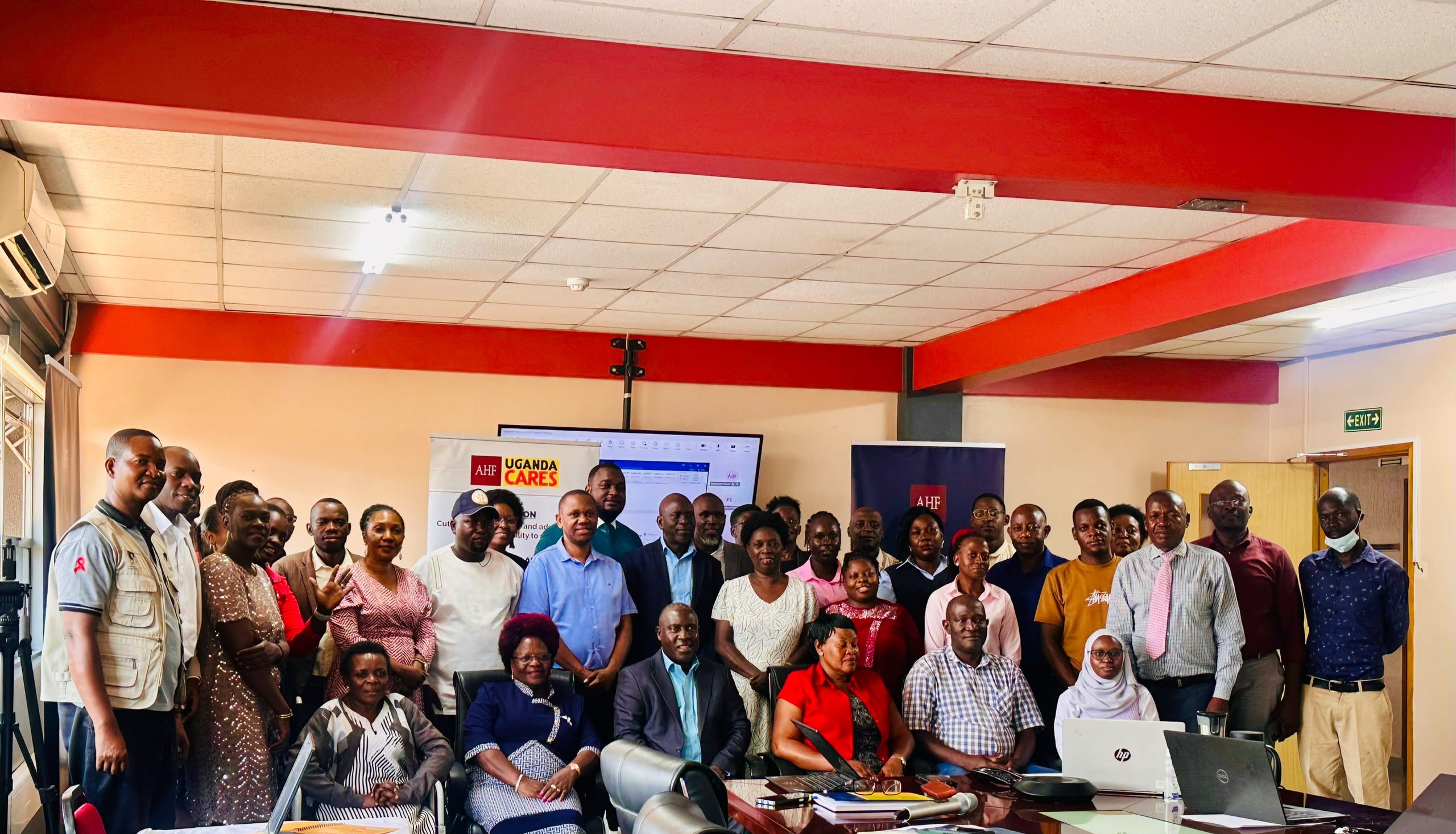
The call was made on Thursday during the Integrated Advocacy Coalition Hub Meeting in Kampala, held under the theme “Sustainable Health: Financing, Insurance & Prevention.”
The meeting brought together civil society organisations, Government representatives, parliamentarians, development partners, UN agencies, the media and other health-sector stakeholders to discuss challenges affecting Uganda’s health system.
Discussions focused on sustainable health financing, public debt, the proposed National Health Insurance, integrated health service delivery, and HIV and STI prevention.
Participants said the coalition should move beyond identifying problems and develop clear recommendations outlining what needs to be done, who should do it and when.
They encouraged members to use data, photographs and other evidence collected from communities and health facilities when developing position papers and engaging policymakers.
Such evidence, they said, can help demonstrate service-delivery gaps and strengthen advocacy when engaging the Government and other decision-makers.
The meeting also emphasised the need for the coalition to build on existing national health strategies rather than create parallel initiatives.
Participants said advocacy should instead focus on identifying gaps in implementation and pushing duty-bearers to fulfil commitments already made.
Health financing was one of the major issues discussed, with stakeholders calling for greater domestic investment as Uganda faces pressure from public debt and changing development-partner funding.
Henry Magala, Country Programme Director at the AIDS Healthcare Foundation (AHF) Uganda, said Uganda has made progress in expanding access to healthcare but still faces financing challenges.
He also called for greater integration of health services, arguing that people experience multiple health needs and should not have to navigate services that operate in isolation.
“Communities do not experience diseases in isolation, and neither should our health systems respond in silos.”
He said integrating services such as HIV, tuberculosis, malaria, maternal and child health, sexual and reproductive health, and non-communicable diseases could reduce duplication and improve patient care.
The meeting also stressed that prevention should remain central to health financing, rather than resources being concentrated mainly on treatment.
Stakeholders highlighted the importance of continued investment in HIV and STI prevention, including condoms, which were discussed as a cost-effective prevention intervention.
Dr Ali Walimbwa highlighted the need for a stronger legal framework for health insurance in Uganda.
He said a clear legal framework would help improve coordination and support for health insurance while promoting affordability and inclusion.
Discussions on the proposed National Health Insurance also focused on the need to ensure that insurance is linked to the wider health system and supports both prevention and access to quality healthcare.
Participants also called for stronger engagement with Parliament and other Government institutions.
They said evidence gathered from communities and health facilities should be used to show policymakers where services are failing and where Government commitments are not being implemented.
Although some Members of Parliament expected at the meeting were unable to attend because of other parliamentary duties, participants said Parliament remains an important partner because of its role in legislation, oversight and resource allocation.
The role of the police and other duty-bearers was also raised, with participants calling for broader engagement whenever health and human rights issues intersect.
Rather than treating Government institutions as opponents, stakeholders said the coalition should create opportunities for dialogue and joint problem-solving.
The meeting ended with a call for the coalition to move from discussions and commitments to concrete action by gathering evidence, developing focused position papers, engaging policymakers and advocating for sustainable domestic financing while keeping prevention at the centre of Uganda’s health agenda.
Participants said stronger collaboration between Government, Parliament, civil society, development partners, private-sector actors and communities will be necessary if Uganda’s commitments on health financing, insurance, prevention and integrated healthcare are to translate into better services for communities.