
 Mama FM
7 September 2026, 10:28 pm
By Annet Nakato
The National Identification and Registration Authority (NIRA) says about 10 million Ugandans are still missing from the national identification register as the authority pushes to have the entire population registered.
NIRA Executive Director Rosemary Kisembo said the authority currently has about 35.58 million Ugandans on its register, representing approximately 75 per cent of the country’s population.
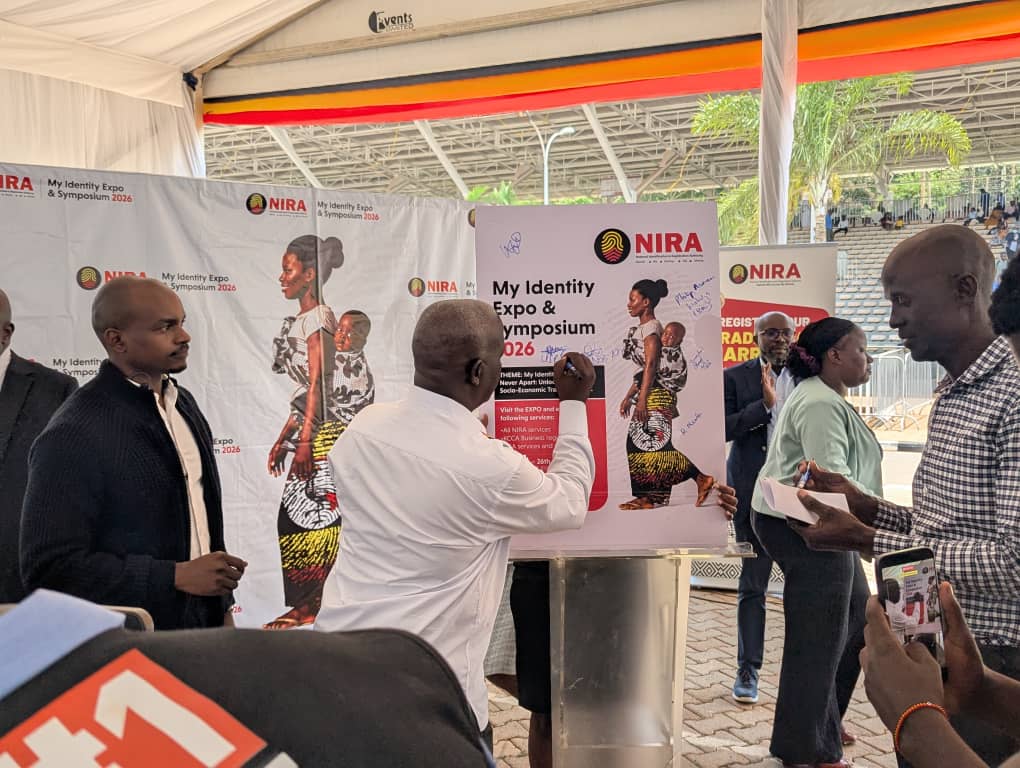
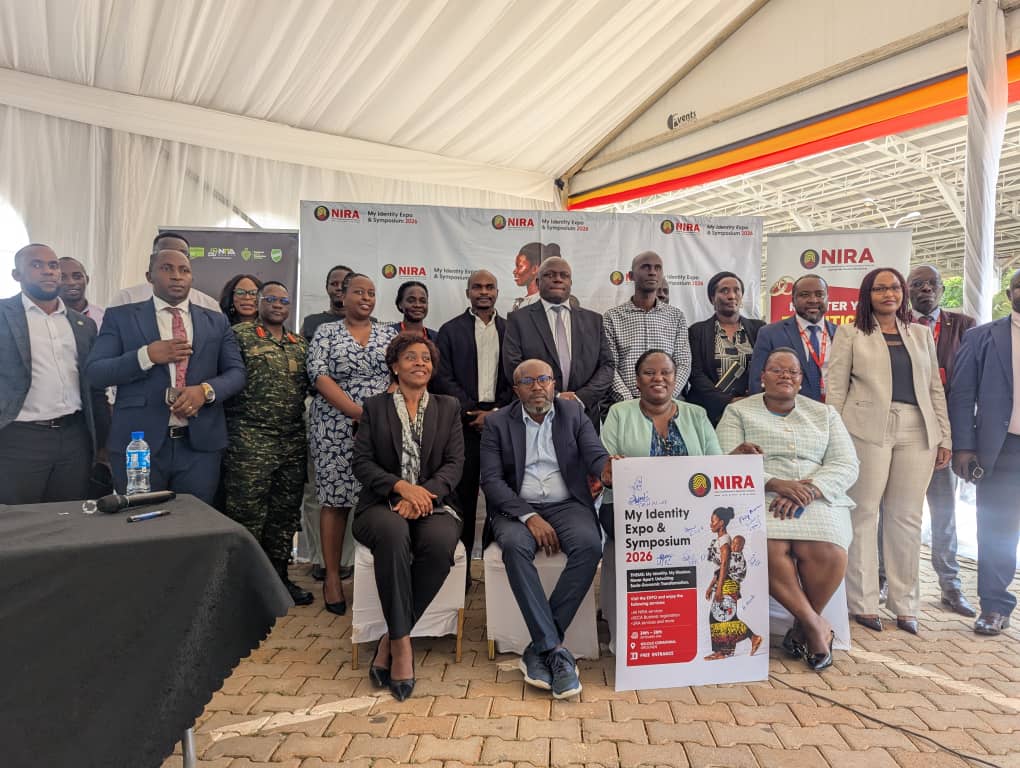
Kisembo made the remarks while highlighting the importance of the upcoming ID Expo and Symposium, which aims to raise awareness about the importance of identification and registration.
She said NIRA, which was established on March 26, 2015, has a mandate to ensure that every Ugandan is registered.
Kisembo said the authority began its mass enrolment exercise on March 27, 2025, targeting the registration of the entire Ugandan population.
She said identification is critical because it enables citizens to access Government and social services, adding that people who are not on the national register can easily be left out of important services and Government programmes.
She said the ID Expo and Symposium will bring together Government institutions, private-sector players and citizens to discuss the importance of identification and how it connects different sectors of the economy.
The discussions will also examine how institutions such as the Uganda Revenue Authority (URA), banks and other service providers use identification systems.
Meanwhile, URA official Christine Mirembe has sought to dispel fears among Ugandans that obtaining a National Identification Number (NIN) automatically makes an individual a taxpayer.
Mirembe said having a NIN does not make someone a taxpayer, explaining that a person must separately register for tax purposes and be issued with a Tax Identification Number (TIN).
She said the integration of Government identification systems would instead help reduce confusion and make it easier for authorities to identify people who are actually engaged in taxable activities.
Mirembe gave the example of elderly parents who may require a TIN when registering property such as a motor vehicle or land in their names, saying this does not necessarily mean they are taxpayers.
She said linking identification systems could also help reduce cases where citizens are wrongly pursued for taxes they do not owe.
Mirembe urged Ugandans to provide accurate information during the NIRA registration exercise, saying reliable data would enable Government to plan better and improve service delivery.
Kisembo said the drive is also in line with Sustainable Development Goal 16.9, which calls for providing legal identity for all, including birth registration, by 2030.
She urged Ugandans who are not yet registered to take advantage of the ongoing exercise, saying NIRA’s ultimate goal is to ensure that every Ugandan is legally and officially identified.