
 Mama FM
Mama FM
Mama FM
12 August 2026, 5:58 pm
By Annet Nakato
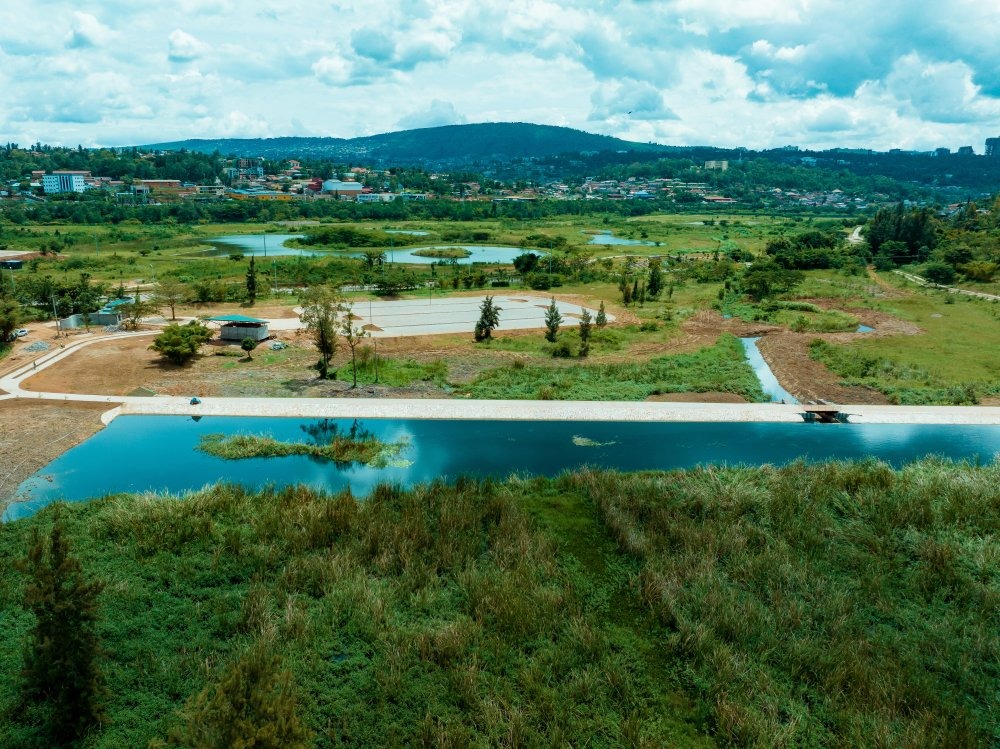
Kigali — Kigali is set to strengthen its response to flooding and climate change as the restoration of five major wetlands in and around the city nears completion.
The Gikondo, Nyabugogo, Kibumba, Rwampara and Rugenge-Rwintare wetlands are being restored as part of efforts to improve stormwater management, protect biodiversity and create green spaces that can support sustainable urban development.
The restoration comes amid growing concerns over flooding in Kigali, particularly in areas below hills where rainwater can quickly accumulate and overwhelm drainage systems.
According to officials involved in the project, urban development has affected natural wetland areas, leaving some sections with limited space for water to spread and drain naturally.
“Next to each other with nowhere for the water to drain. It caused a lot of problems because water would rush down from the hills and flood the homes below,” an official explained.
The restoration is expected to provide rainwater with a natural pathway through the wetlands, reducing pressure on residential areas and other infrastructure during heavy rainfall.
“Now that these wetlands are being restored, that water will have a proper channel to flow through, and it can even be put to good use nearby,” the official added.
The project is also intended to provide environmental benefits beyond flood control.
Restored wetlands can help improve water quality, support wildlife habitats and preserve ecosystems within a rapidly expanding urban area.
According to the Rwanda Environment Management Authority (REMA), the restoration project represents a major investment in environmental conservation, with an estimated budget of about 80 billion Rwandan francs.
REMA says the investment is expected to strengthen Kigali’s resilience to the effects of climate change while supporting the country’s broader sustainable development goals.
The project also comes as Kigali seeks to expand its network of green public spaces and nature-based attractions.
The restored wetlands could provide opportunities for recreation and ecotourism, building on the experience of the Nyandungu Eco-Park, which has become a prominent example of urban wetland restoration in Rwanda.
Environmental experts, however, note that restoring wetlands alone may not be enough to eliminate flooding.
Effective management of surrounding land, responsible urban planning, proper drainage infrastructure and protection of restored areas will remain important to ensure that the wetlands continue performing their natural functions.
With completion expected within days, the five wetlands are poised to become an important part of Kigali’s green infrastructure.
The project is ultimately expected to provide the city with a combination of flood protection, biodiversity conservation and recreational spaces, while demonstrating how restoring natural ecosystems can form part of a wider response to climate change.