
 Mama FM
Mama FM
Mama FM
23 September 2026, 10:04 pm
By Annet Nakato
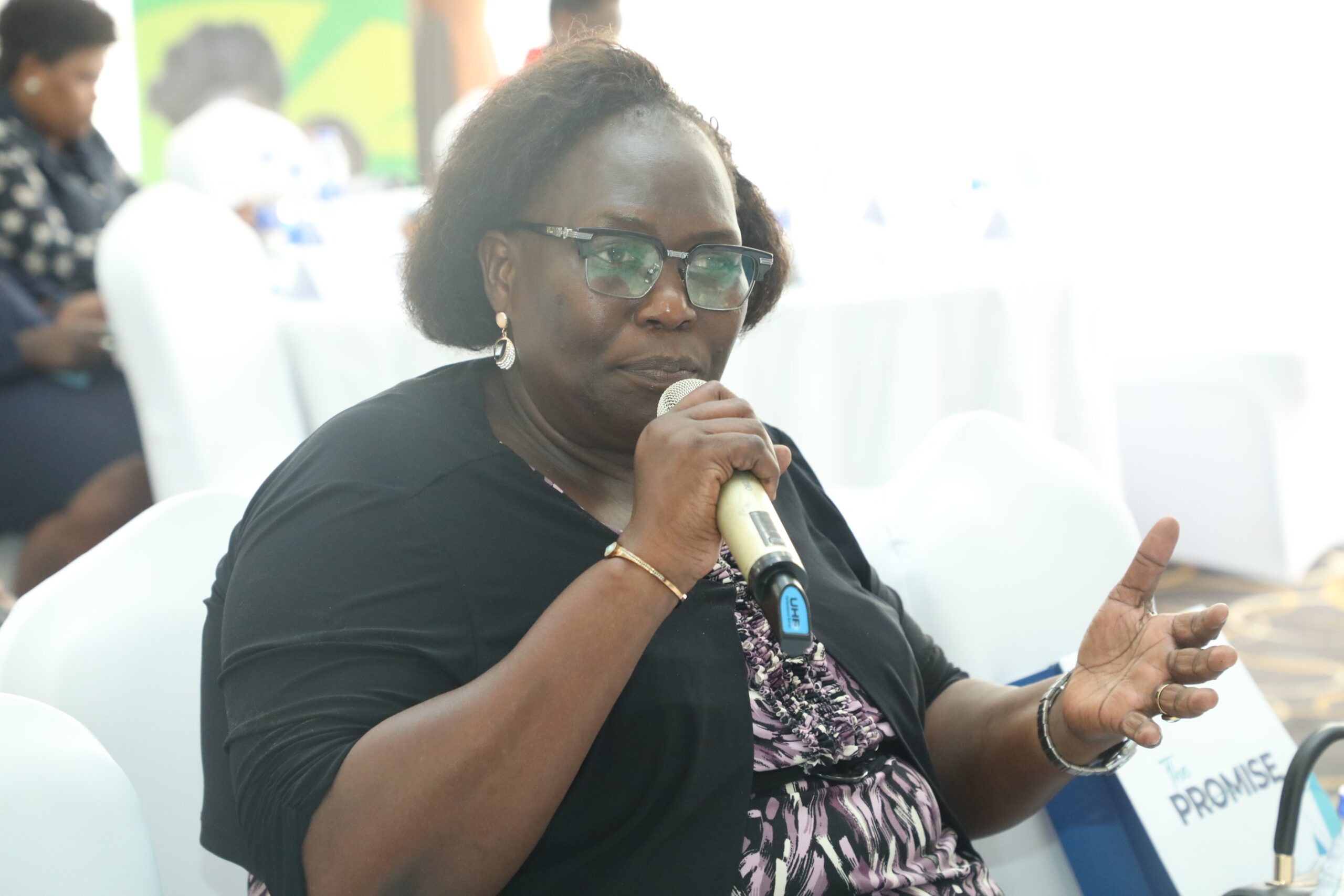
Climate change is increasingly affecting families and communities in Uganda, with prolonged heat, crop losses and reduced household incomes creating additional challenges for children and young people, a woman Member of Parliament has warned.
Christine Lanyero Awany, Woman Representative for Noyait District, said climate-related disruptions are affecting livelihoods and making it harder for some families to keep their children in school.
She said extreme heat can make it difficult for people to work in gardens, while crop losses caused by unpredictable weather can reduce household incomes and leave parents struggling to meet basic needs, including school fees.
When the heat is too much, people cannot go to the garden to work. Even children may not go to school; they become idle,” Awany said.
According to Awany, when parents are unable to pay school fees because their crops have been destroyed or household income has fallen, some children may leave school and spend more time with peers.
She said this can expose some adolescents to situations that may increase their vulnerability to early pregnancy, sexually transmitted infections and other social challenges.
You may find that their parents’ crops were destroyed by the weather, and they are even failing to pay school fees for their children,” she said.
Awan said the situation is particularly concerning for adolescent girls, who she said are becoming pregnant at young ages.
She linked early pregnancy to serious health risks, noting that some adolescent mothers may experience complications during childbirth.
You find girls getting pregnant as early as 16 years old. They cannot even push. Sometimes they end up with seizures.
They can even die during giving birth and leave the baby,” she said.
The legislator also raised concerns about the spread of diseases among young people in the area, which she associated with risky social and sexual behaviour.
Her remarks highlight the wider social consequences that climate related shocks can have on vulnerable households.
Beyond affecting agriculture and food security, loss of livelihoods can disrupt children’s education and place additional pressure on families.
Climate change is already affecting many Ugandan communities through changing rainfall patterns, drought, floods and extreme temperatures, with agriculture-dependent households particularly exposed to these changes.
Awany called for greater attention to the needs of communities affected by climate change, particularly children and young people who may face increased risks when families lose their livelihoods.
She said addressing the effects of climate change should therefore go beyond environmental concerns to include education, health, household livelihoods and the protection of vulnerable children and adolescents.