
 Mama FM
Mama FM
Mama FM
13 August 2026, 12:07 pm
By Byamukama Alozious
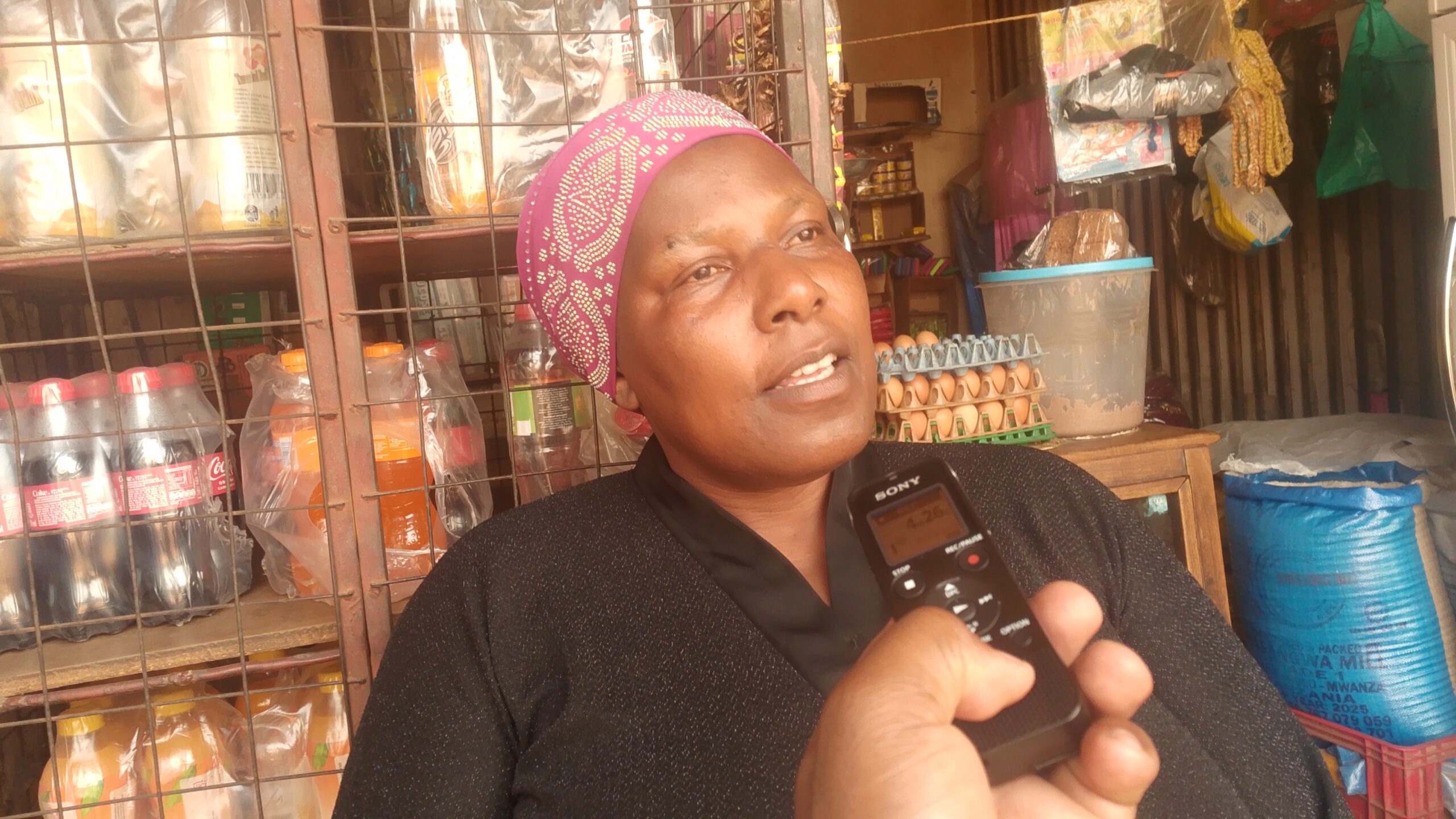
Lukwata, a long-time resident of Kalerwe in Kawempe Division, Kampala, has lived in the area since 2006. She says she has witnessed nearly two decades of flooding and the changes it has brought to homes and the wider community.
“Our house was in the water. When it rained, water would enter the house and cover our beds. Sometimes we had to stand because there was nowhere to sleep,” she recalls.
Lukwata says the changing landscape of Kalerwe provides evidence of how residents have been forced to adapt to persistent flooding.
She says some houses have completely sunk into the ground, while others have gradually deteriorated, leaving little more than beams and other remaining structures.
“Some houses are now down in the ground. Others have been reduced to the size of beams, while some people have had to raise their houses to protect themselves from the water,” she says.
According to Lukwata, some residents have responded by raising the foundations of their houses, adding more material underneath existing structures to lift them above the level reached by floodwater. Others have raised their toilets and other facilities to prevent floodwater from entering or contaminating them.
She says these adaptations show how residents have been forced to live with flooding rather than finding a permanent solution to the problem.
As more people moved into Kalerwe, Lukwata says the situation worsened. Drainage channels remained inadequate, while rubbish frequently blocked the available pathways for water.
Today, she says floodwater carries waste from higher parts of Kampala into Kalerwe, putting homes and residents at risk.
Over the years, Nalubwama says she has witnessed disturbing incidents during floods, including what she describes as babies’ bodies and domestic animals being carried away by floodwater. These accounts require independent verification before they can be confirmed as flood-related deaths.
She also recalls an incident involving a young man who was reportedly helping people during flooding but encountered an electrical hazard and died. This account also requires independent verification.
Despite efforts to improve drainage, Nalubwama says flooding remains a recurring threat. She believes regular desilting and cleaning of drainage channels could help reduce the severity of flooding. She also wants communities to revive Bulungi Bwansi, through which residents work together to clean their surroundings and keep drainage channels free of waste.
For Lukwata, nearly 20 years of living in Kalerwe have taught her that flooding is not caused by rainfall alone. Poor drainage, blocked channels, waste disposal, rapid urban development and inadequate maintenance have all contributed to the problem.
The houses that have sunk, those reduced to their structural beams and those raised higher above the ground are, in her view, physical reminders of how residents have been forced to adapt.
She wants both the government and residents to act before the next heavy rainfall arrives, arguing that Kalerwe needs sustained drainage maintenance and better waste management, rather than temporary action after floods have already begun.