
 Mama FM
Mama FM
Mama FM
10 September 2026, 3:09 pm
By Byamukama Alozious
Uganda is expanding access to faster HIV diagnosis and viral load testing after receiving the first 100 of 500 additional mPIMA point-of-care molecular testing instruments to be deployed across the country.
The machines, donated by Abbott through its local partner, Lifecare Diagnostics Uganda, are expected to bring HIV testing closer to patients, particularly mothers and HIV-exposed infants in underserved and hard-to-reach communities.
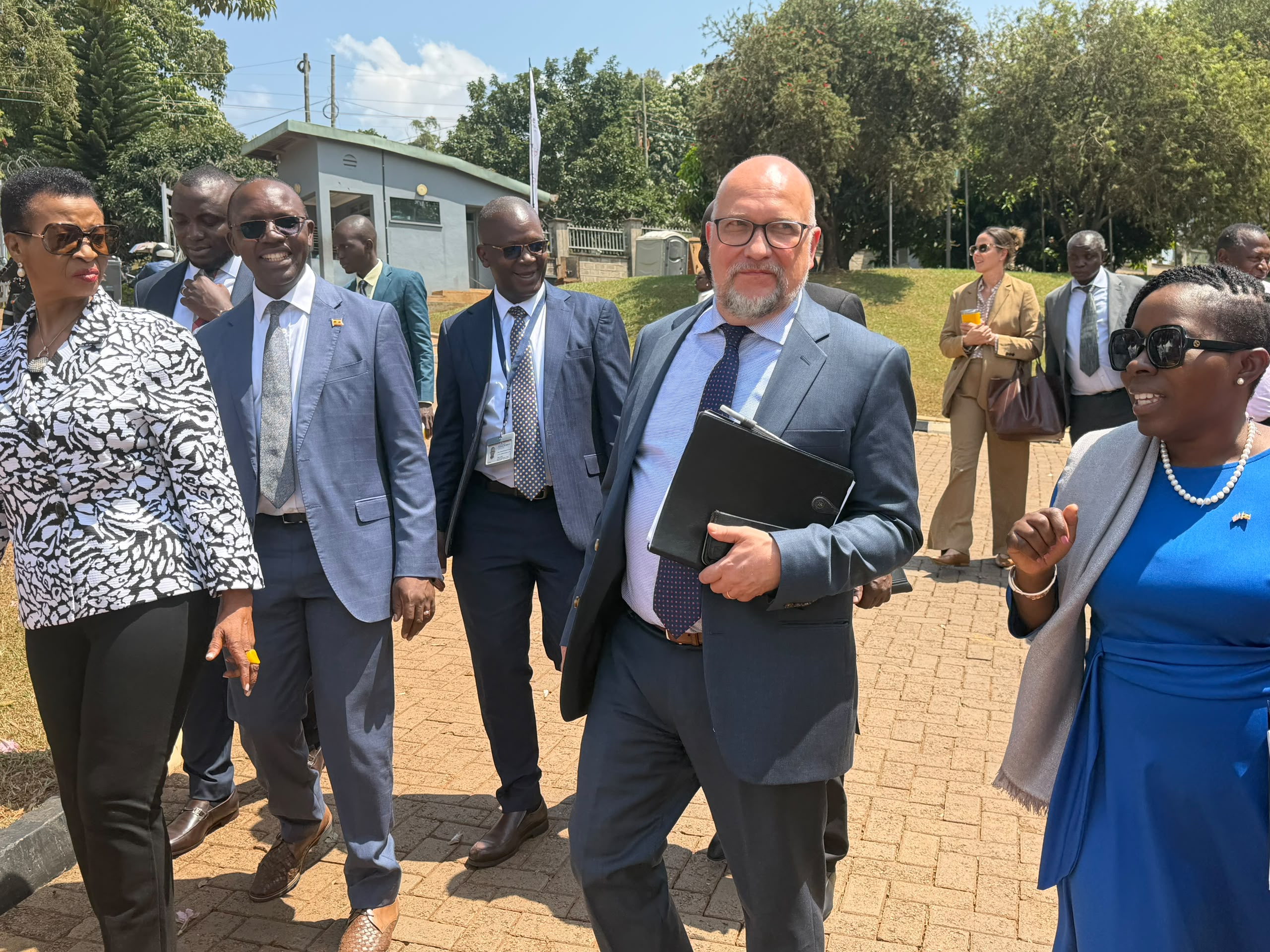
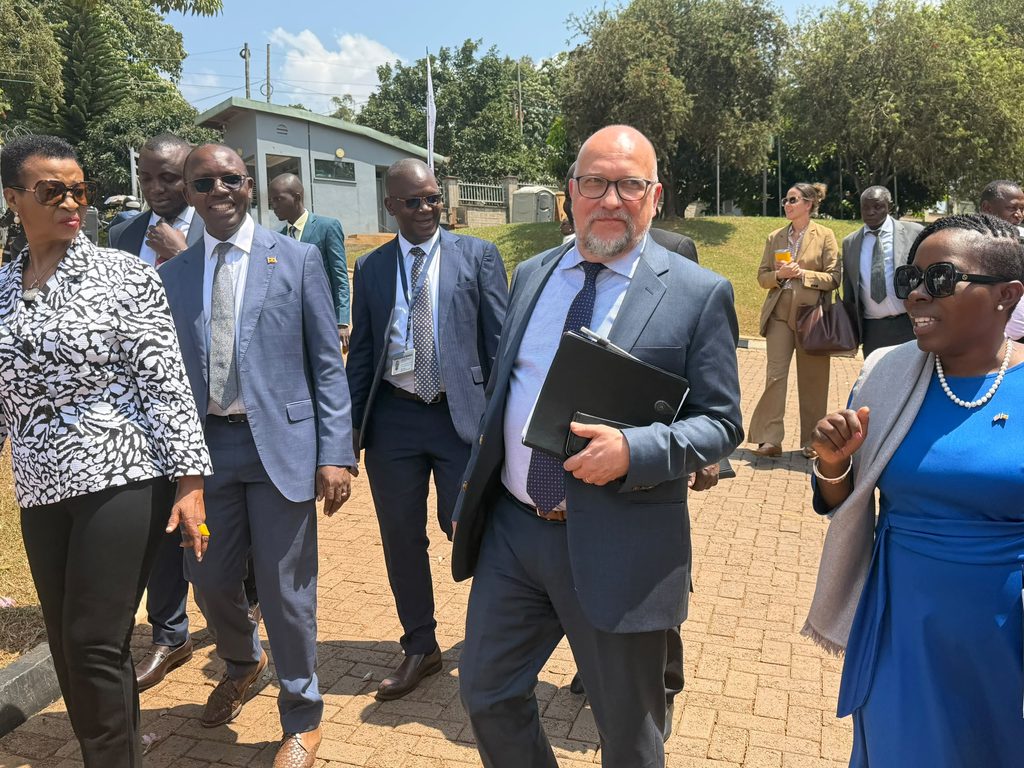
The handover took place on Wednesday, September 9, 2026, at the Ministry of Health’s National Health Laboratory and Diagnostic Services facility in Butabika, Kampala.
The ceremony was presided over by the Minister of State for Health in charge of General Duties, Hon. Anifa Bangirana Kawooya, and attended by Mikael Cleverley, U.S. Chargé d’Affaires, senior Ministry of Health officials, and representatives of Abbott and Lifecare Diagnostics.
Uganda currently has about 315 mPIMA instruments supporting decentralised molecular testing. Once the planned additional 500 machines are fully deployed, the national fleet is expected to reach approximately 815 instruments.
Dr Susan Nabadda Ndidde, Commissioner of the National Health Laboratory and Diagnostic Services, said the expansion is particularly important for Early Infant Diagnosis of HIV and viral load testing among pregnant and breastfeeding women.
She said bringing molecular testing closer to health facilities can reduce delays in obtaining results and allow health workers to make faster treatment decisions.
“Point-of-care molecular testing provides an opportunity to bring testing closer to where the mothers and the babies receive care.”
Dr Nabadda, however, cautioned that providing equipment alone will not guarantee effective diagnostic services.
She said the machines must be supported by trained health workers, reliable supplies of reagents and consumables, uninterrupted power, appropriate infrastructure, equipment maintenance, connectivity and functional data systems.
She also highlighted the need for effective specimen referral systems, supervision, mentorship and sustainable financing.
According to Dr Nabadda, the new machines will be strategically deployed to facilities where they can have the greatest impact and integrated into Uganda’s national laboratory network rather than operating as isolated systems.
The expansion comes at a time when Uganda is increasingly decentralising HIV testing. By the end of 2025, about half of Early Infant Diagnosis testing was being conducted through point-of-care sites, according to Abbott.
For HIV-exposed infants, health officials say reducing the time between sample collection and receiving results can be critical to early treatment and linkage to care.
Herbert Ssehujja, Abbott’s Sales-in-Charge for East Africa, said the company’s investment is intended to address geographical barriers to accessing molecular diagnostics.
He said the additional machines would increase Uganda’s capacity to provide testing closer to patients, particularly in remote and underserved communities.
Ssehujja said the full deployment would represent an investment of about US$10 million in Uganda’s diagnostic infrastructure.
He said the value of the investment should not only be measured by the number of machines supplied, but also by the health outcomes they can support through faster diagnosis and clinical decision-making.
For an HIV-exposed infant, Ssehujja said, knowing the child’s HIV status earlier can allow treatment to begin sooner and potentially change the course of the child’s health.
The U.S. Government, which has supported Uganda’s efforts to strengthen Early Infant Diagnosis and laboratory systems, also welcomed the expansion.
Mikael Cleverley, U.S. Chargé d’Affaires, said a stronger health system in Uganda benefits both Ugandans and Americans.
The partnership brings together the Government of Uganda, the U.S. Government, Abbott and Lifecare Diagnostics in an effort to strengthen decentralised diagnostic services.
Tephy Mujurizi, Executive Director of Lifecare Diagnostics Ltd, said the company would provide technical support alongside the Ministry of Health.
This includes training health workers, installing and commissioning the platforms, equipment maintenance and repairs, monitoring performance, and supporting health facilities through field mentorship.
The new machines are expected to increase the availability of molecular testing at lower-level health facilities, reducing the need for patients to travel long distances or wait for samples to be transported to centralised laboratories.
During the handover, officials also toured the National Health Laboratory and Diagnostic Services, including its technical laboratories, data centre, equipment monitoring facilities and sequencing rooms.
The visit highlighted the broader role of Uganda’s national laboratory system in disease surveillance, investigations and generating evidence to respond to outbreaks and other public health emergencies.
Abbott also showcased the CheckNOW HIV Self Test, a blood-based HIV self-testing kit intended to enable people to test privately, as well as the Determine Syphilis TP Test, a rapid test that can provide syphilis results in about 15 minutes.
The expansion of point-of-care molecular testing therefore goes beyond the delivery of new machines. For Uganda’s HIV response, the key test will be whether the technology can be sustainably maintained and effectively used to ensure that mothers and HIV-exposed infants receive accurate results quickly enough to guide timely treatment and care.