
 Mama FM
Mama FM
Mama FM
12 October 2026, 12:24 pm
By Byamukama Alozious
Uganda needs to strengthen cancer prevention, screening and early diagnosis to reduce avoidable deaths, as new international research warns that the burden of cancer is growing across Africa.
The study found that cancer cases across Africa increased by 229 per cent between 1990 and 2023, while deaths rose by 185 per cent. Although population growth and ageing contributed to the increase, the researchers found that the cancer death rate remained 15.5 per cent higher than in 1990 after adjusting for changes in population size and age.
The findings are important for Uganda, where cancer continues to cause illness and death, and where prevention, timely diagnosis and access to treatment remain central to improving patient outcomes.
According to the International Agency for Research on Cancer’s GLOBOCAN 2022 estimates, Uganda recorded approximately 35,968 new cancer cases and 24,629 deaths in 2022. Cervical cancer accounted for an estimated 6,938 new cases, followed by breast cancer with 2,999 and prostate cancer with 2,699.
These are modelled national estimates, not a direct count of every person diagnosed in the country. However, they illustrate the scale of Uganda’s cancer burden and the importance of strengthening services to prevent, detect and treat the disease.
Data reported by the Uganda Cancer Institute show that its Mulago campus registered 7,943 new cancer cases in 2024. Cervical cancer accounted for 1,093 cases, breast cancer for 791 and prostate cancer for 764. These figures reflect patients registered at the institute and should not be interpreted as the total number of new cancer cases nationally.
The African study also identified opportunities to reduce cancer deaths by addressing certain risk factors. Researchers estimated that approximately 306,000 cancer deaths in Africa in 2023 were attributable to the risk factors assessed that could potentially be reduced. Tobacco use was associated with around 72,000 deaths, while outdoor air pollution was associated with approximately 18,400.
The estimates are continental figures and should not be presented as the number of deaths caused by these risk factors in Uganda. Nevertheless, they highlight prevention measures that Ugandan health authorities can strengthen.
Tobacco is an established cause of several cancers, including lung and bladder cancer. Reducing tobacco use and exposure to second-hand smoke can lower the risk of developing these diseases. The World Health Organization’s International Agency for Research on Cancer also classifies outdoor air pollution as a cause of lung cancer.
In Uganda, stronger tobacco-control measures, improved air quality and better protection against harmful workplace exposures could contribute to cancer prevention. More country-specific research is needed to establish how much each exposure contributes to the national cancer burden.
Cervical cancer presents another important opportunity for prevention. The international study found that breast and cervical cancer together accounted for 53.5 per cent of new cancer cases among African women in 2023. Breast cancer was the continent’s leading cause of cancer deaths, followed by cervical cancer.
Cervical cancer can largely be prevented through human papillomavirus (HPV) vaccination, screening and timely treatment of precancerous changes. Uganda introduced HPV vaccination into its national immunisation programme in 2015, making vaccination an important part of efforts to protect girls against HPV infections that can lead to cervical cancer.
However, vaccination needs to be accompanied by accessible screening and follow-up services for women. Screening can identify changes that may be treated before they develop into cancer.
An HPV-positive result does not mean that a woman has cancer. It indicates an infection that may require further assessment or follow-up in line with clinical guidance.
Ensuring that eligible girls receive HPV vaccination and that women can access screening services is particularly important for communities facing financial, geographical or information barriers. Health workers, schools and community organisations can help by providing accurate information and addressing misconceptions about vaccination and cancer screening.
Breast cancer also requires stronger public awareness and timely medical assessment. Women who notice a new breast lump, changes in breast shape or skin, or unusual nipple discharge should seek medical attention. These symptoms do not necessarily mean cancer, but prompt assessment can help identify conditions requiring treatment.
Men should also have access to reliable information about prostate cancer and seek medical advice when they experience concerning symptoms. Decisions about screening should be made with qualified health professionals, taking individual circumstances and current clinical guidance into account.
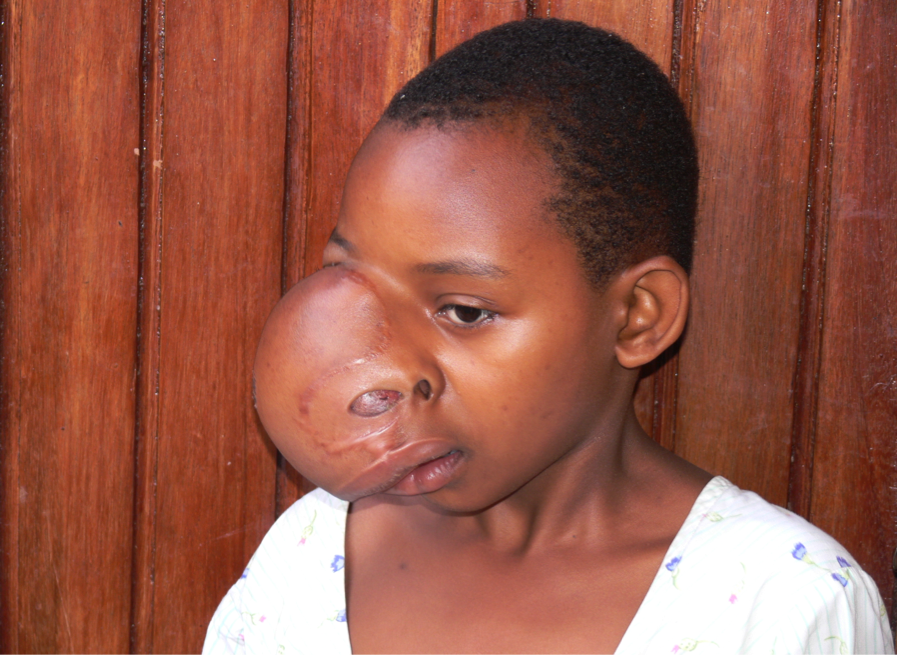
The international research further highlights the burden of childhood cancer in Africa. Researchers estimated that the continent accounted for approximately 28 per cent of the world’s childhood cancer cases but 38 per cent of childhood cancer deaths in 2023.
The difference suggests that children in Africa face a disproportionate risk of dying after developing cancer. Delays in diagnosis and difficulties accessing specialised treatment may contribute to poor outcomes, although the continental figures do not establish the specific contribution of each factor in Uganda.
For Uganda, improving the recognition of childhood cancer symptoms, strengthening referral systems and ensuring access to specialised diagnosis and treatment could help more children receive care promptly.
Cancer control also depends on reliable information. Stronger cancer registration and surveillance can help the Ministry of Health and other institutions understand where the burden is greatest, identify gaps in access to care and evaluate prevention programmes.
Investment is also needed in diagnostic equipment, trained health workers, specialised treatment services and referral systems connecting lower-level health facilities to cancer centres. Patients may face additional difficulties meeting transport, investigation, medicine and other healthcare costs, particularly when treatment requires repeated visits.
Improving access to affordable services and ensuring that patients receive timely referrals could help reduce some of these barriers. Public education should also encourage people to seek medical assessment for persistent or unexplained symptoms without assuming that every symptom indicates cancer.
The findings do not mean that every cancer case can be prevented. Some cancers develop without an identifiable risk factor, and prevention alone cannot replace diagnosis and treatment. However, vaccination, appropriate screening, tobacco control and timely medical care can reduce some risks and improve outcomes.
For Uganda, the priority is to translate this evidence into action by strengthening HPV vaccination, expanding access to appropriate screening, reducing exposure to known cancer risks and improving the availability of diagnosis and treatment.
The Ministry of Health, Uganda Cancer Institute, district health teams, health professionals, schools, community organisations and the media all have a role in ensuring that reliable information and essential services reach the people who need them.