
 Mama FM
Mama FM
Mama FM
4 August 2026, 11:18 am
By Annet Nakato
Four in every ten media workers in Uganda have experienced sexual harassment, with women disproportionately affected, according to findings from a new global survey presented during the annual Uganda Editors Guild Convention in Jinja.
The survey, conducted in 2025 by WAN-IFRA Women in News (WIN), City St George’s, University of London, and BBC Media Action, collected responses from more than 2,800 media professionals worldwide.
In Uganda, 40 percent of respondents 116 women and 89 men reported experiencing sexual harassment, eight percentage points higher than the African average of 33 percent.
Although the figure represents an improvement from the 53 percent recorded in the 2020 Uganda findings, the report says sexual harassment remains a significant challenge in the country’s media industry, with many incidents still going unreported.
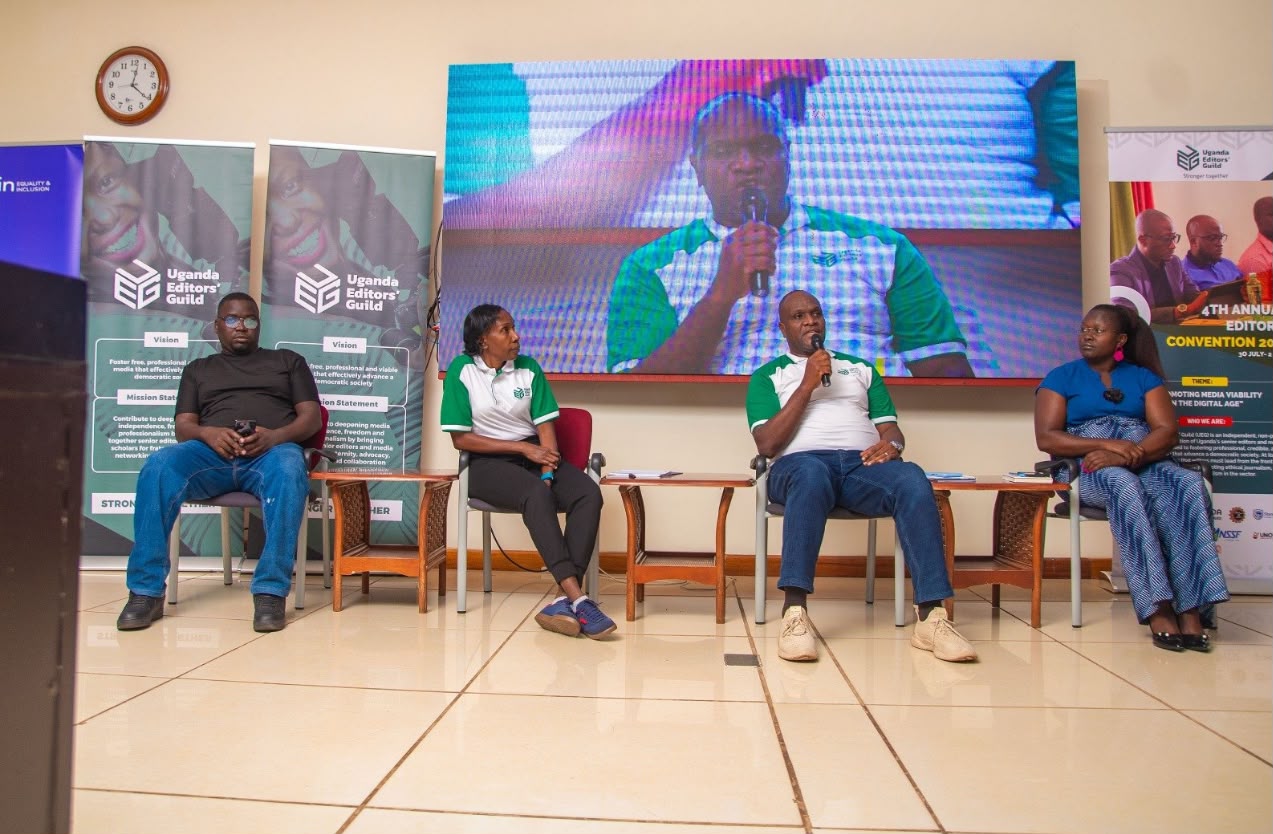
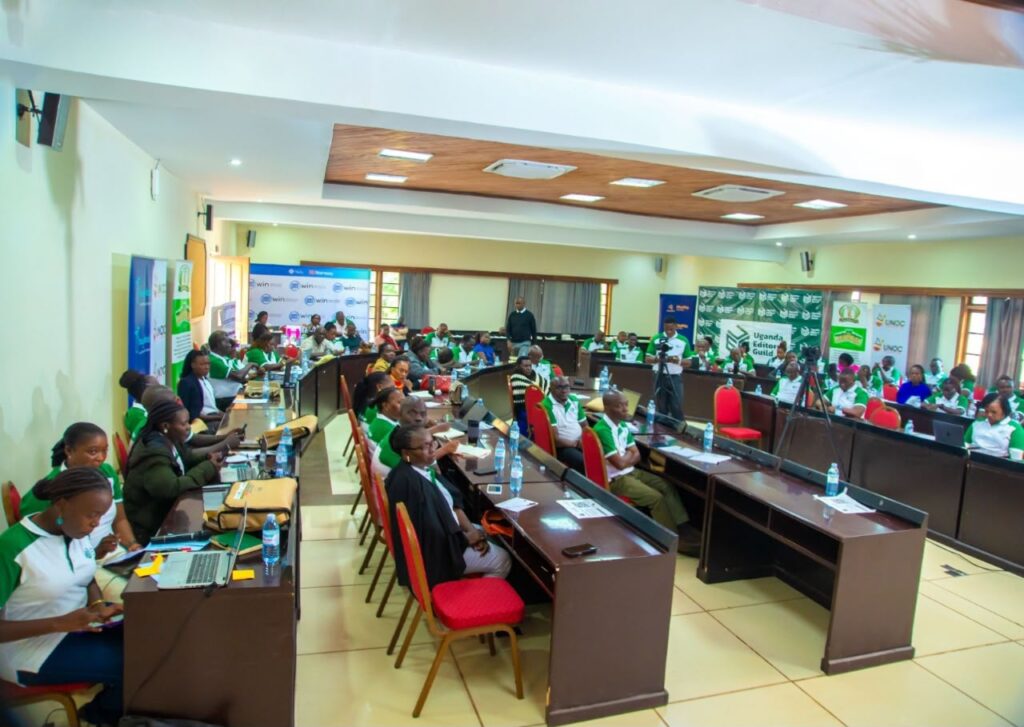
The findings were presented to media owners, editors and senior newsroom managers attending the Uganda Editors Guild Convention, held in Jinja, where newsroom safety and professional standards were among the key issues under discussion.
According to the report, women continue to experience higher levels of harassment than men across most forms of abuse.
Seventy-seven percent of women who experienced harassment reported verbal abuse compared to 45 percent of men.
Nearly half (47 percent) of women said they had experienced physical harassment, while 56 percent reported online harassment, compared to 34 percent and 46 percent of men respectively. The survey also highlighted sexual violence as an ongoing concern. Four percent of women and nine percent of men surveyed reported having experienced rape.
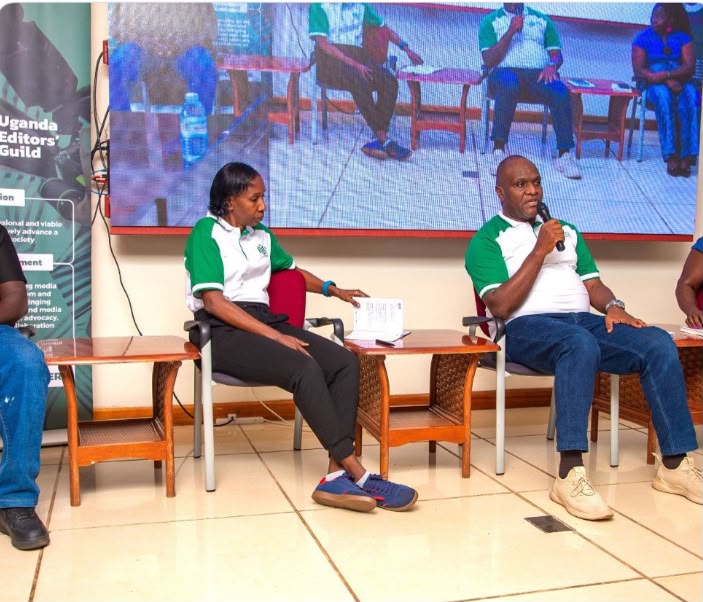
A panel discussion on sexual harassment took centre stage during the convention, with media leaders calling for stronger safeguards to protect journalists.
Speaking during the discussion, Esther Wamala of CBS FM urged young journalists, particularly interns, to remain vigilant, noting that they are often the most vulnerable to exploitation and harassment as they begin their careers.
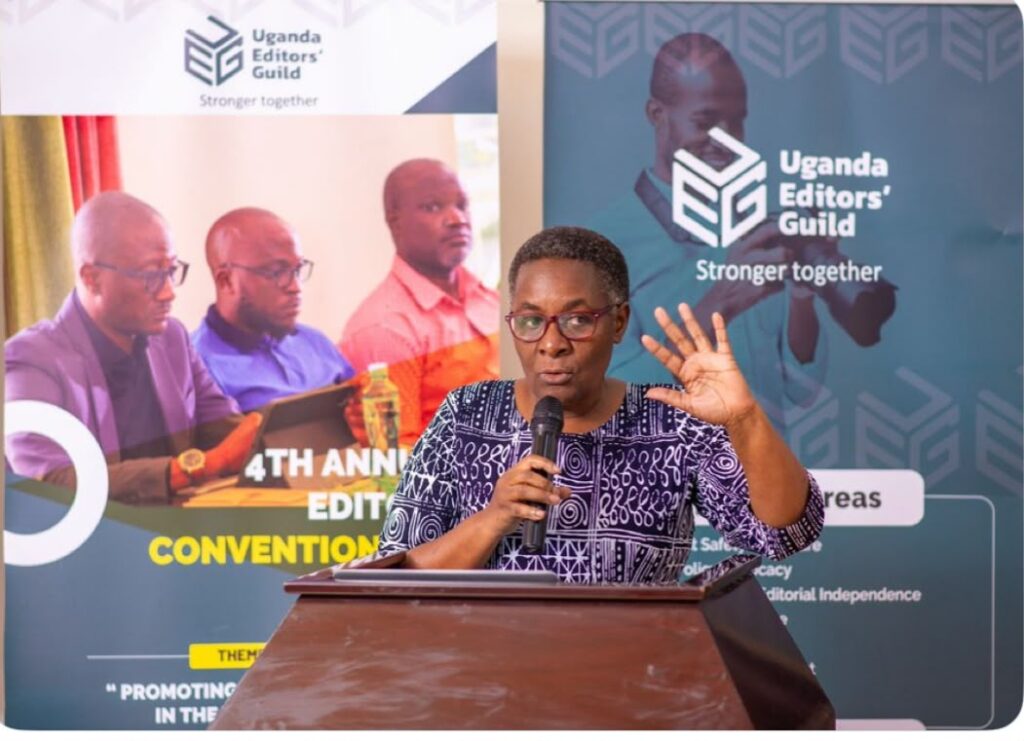
Barbara Kaija emphasised the need for media organisations to create safer working environments by strengthening prevention measures, encouraging reporting, and ensuring complaints are handled professionally and confidentially.

Meanwhile, Nvule Dick called for the establishment of a clear and effective reporting mechanism for sexual harassment allegations within newsrooms.
He also urged men who experience sexual harassment to speak out and report the incidents, emphasising that harassment affects both women and men and should never be ignored.
Despite the widespread nature of the problem, the report found that many victims do not report incidents due to fear of retaliation, stigma, or lack of confidence in existing reporting mechanisms.
WAN-IFRA Women in News has urged media organisations to adopt comprehensive sexual harassment policies, establish accessible reporting channels, and create dedicated teams to investigate complaints.
The organisation says such measures are critical to promoting safe, inclusive and professional newsrooms where journalists can work free from harassment. Participants at the convention agreed that addressing sexual harassment requires commitment from newsroom leadership, clear institutional policies, and a workplace culture that encourages accountability and protects survivors.