
 Mama FM
28 October 2026, 11:32 am
By Byamukama Alozious
The Ministry of Health has launched medical drone services to improve the transportation of laboratory samples, essential medicines and other medical supplies to hard-to-reach island communities, particularly in Buvuma and Kalangala, where high transport costs, limited infrastructure and dependence on water transport continue to challenge healthcare delivery.
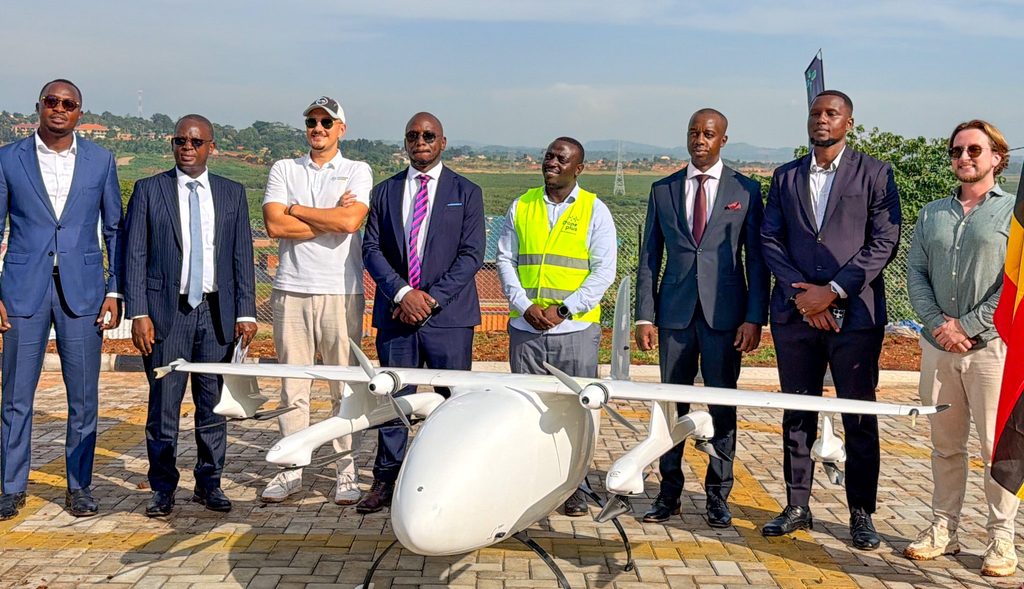
Speaking during the launch and demonstration at Butabika, Minister of State for Health in charge of General Duties, Hon. Dr. Charles Ayume, welcomed the innovation, describing it as an important step towards improving healthcare access for underserved communities.
Dr. Ayume said geographical barriers and the high cost of transporting medical supplies and patients across Lake Victoria have made it difficult to deliver timely healthcare services to island populations. He called for continued investment in innovative solutions that can reduce delays and make healthcare more accessible.
He highlighted the financial challenges associated with operating boat ambulances, noting that fuel costs and repeated journeys across the lake can make emergency transportation expensive. He cited situations involving children with anaemia, accident victims and women experiencing obstructed labour as examples of emergencies in which delays can have serious consequences.
The minister said medical drones could help reduce some of these logistical challenges by transporting laboratory samples and essential medical supplies more quickly. However, he emphasised the need to ensure that the technology remains affordable, sustainable and accessible to the communities it is intended to serve.
Dr. Ayume also stressed the importance of reliable medical supply chains, particularly for people living with HIV and patients receiving tuberculosis treatment, saying timely access to medicines is essential for maintaining treatment continuity and preventing drug resistance.
He called for stronger collaboration among the National Health Laboratory Services and other laboratory facilities to maximise the use of existing infrastructure and specialised equipment, including genomic sequencing technologies. He said better coordination could reduce duplication and improve the efficiency of investments in laboratory services.
The minister further urged policymakers to establish clear arrangements for collaboration between public and private healthcare providers, particularly regarding the use of public laboratory infrastructure and expensive medical equipment. He said such arrangements should protect public interests while supporting the sustainability of services.
Dr. Ayume also called on Members of Parliament to support funding for healthcare innovations and urged the government to invest in essential health infrastructure, including blood banks and operating theatres closer to island communities. He said technology must form part of broader efforts to ensure that people living in geographically isolated areas are not left behind.
Dr. Charles Kiyaga, representing the Ministry of Health’s Department of Laboratory Services and Diagnostics, said the transportation of laboratory samples and medical supplies to island communities had long been a challenge, particularly where conventional transport is slow and costly.
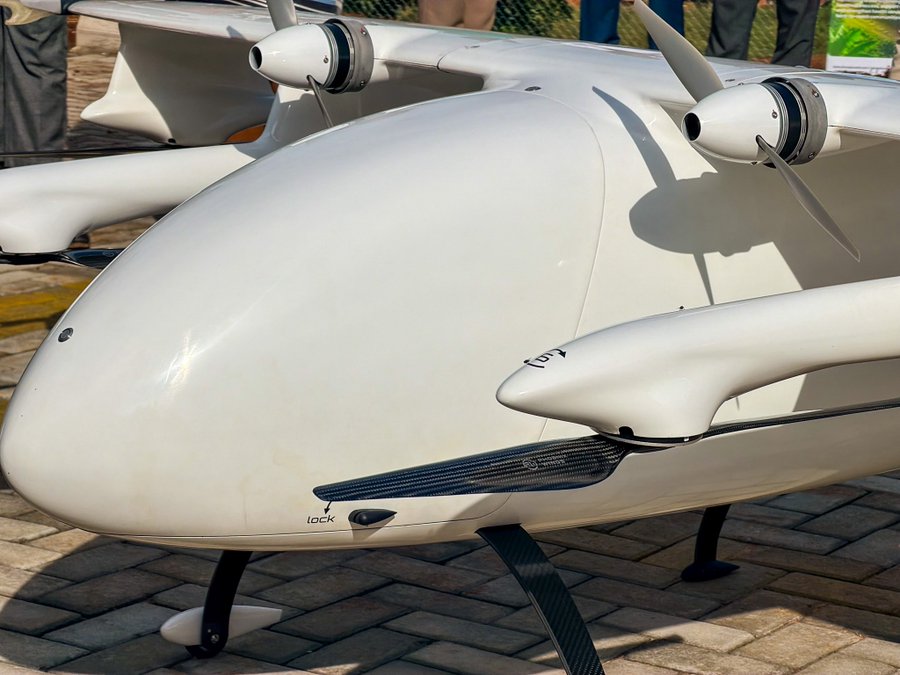
Kiyaga said the drone technology could significantly improve the movement of medical cargo, with some journeys reportedly taking about 40 minutes. Each flight can carry approximately 15 kilogrammes, offering an alternative to transport arrangements that may involve boats and road travel.
During the demonstration, officials described routes linking Butabika, Koome, Kaala and Kalangala before returning to Butabika. They reported that the drones had completed multiple flights covering more than 1,000 kilometres in total.
The demonstration included the transportation of medical materials, with officials reporting deliveries of 100 pre-motherhood kits to Koome, alongside other medical supplies and laboratory specimens. The service is intended to support health facilities by improving the movement of diagnostic materials and essential commodities.
The launch comes amid concerns about healthcare access in Buvuma, which comprises 52 islands. Information presented during the event indicated that only 11 of the islands had physical health infrastructure, highlighting the difficulties of providing services to communities scattered across the lake.
Kalangala also faces challenges linked to limited road connections, electricity access and dependence on water transport. For residents who need laboratory tests or urgent medical attention, the cost and time required to reach health facilities can create additional barriers.
Members of Parliament representing island communities welcomed efforts to explore alternative transport solutions but emphasised the need to address wider gaps in healthcare delivery. William Bugolobi raised concerns about ambulance services that were available but not operational, arguing that emergency care must remain accessible to people who cannot afford it.
He also recalled an earlier attempt to use a drone in the district that was disrupted after the aircraft encountered birds. The experience highlights the need for reliable operations, safety measures and appropriate maintenance as drone services expand.
Officials said the medical drone initiative had received the necessary approvals from relevant civil aviation and security authorities, with designated flight routes established for operations.
Despite the promise of the technology, its long-term impact will depend on operating costs, maintenance, weather conditions, flight safety and the reliability of deliveries. Drones can transport samples and medical commodities, but they cannot replace functioning ambulances, boats, health workers or facilities capable of treating critically ill patients.