
 Mama FM
Mama FM
Mama FM
16 October 2026, 4:18 pm
By Nakato Annet
Teacher shortages, delayed funding and inadequate medical supplies are affecting service delivery in schools and health facilities in Jinja and Kamuli districts, according to findings from community monitoring.
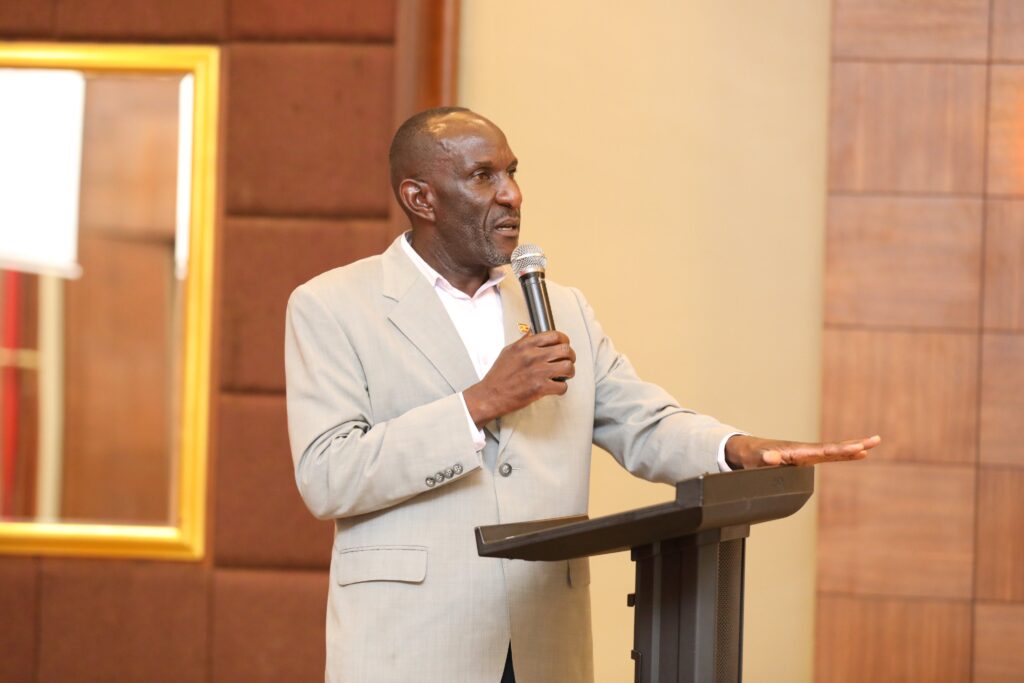
The findings were presented by Eric Bakalikwira, Programmes Manager at the Busoga Governance and Social Accountability Network (BUSOGA NET), during a National Public Accountability Forum bringing together civil society organisations and government agencies in the health and education sectors.
Bakalikwira said 80 trained community monitors visited 15 schools and nine health facilities in Jinja District, Jinja City and Kamuli District to assess service delivery and the use of public resources.
The monitoring revealed that only 54% for Jinja to 61% Kamuli of teachers on the government payroll were present in the schools visited on the day of monitoring, raising concerns about teacher absenteeism and its impact on learners.
The findings also showed that capitation grants were insufficient to meet the needs of schools, potentially affecting the implementation of school activities and the quality of education.
In the health sector, the monitors found that some facilities lacked adequate staff, beds and medical supplies, with some patients reportedly sleeping on the floor due to shortages of beds.
The report further revealed gaps in identifying and recording persons with disabilities, with most of the health facilities monitored reporting zero patients with disabilities.
Bakalikwira said the findings highlighted areas where government institutions and citizens needed to work together to improve public service delivery and accountability.
The monitoring also found that several schools and health facilities did not display their budgets in places accessible to the public, limiting citizens’ ability to understand how public funds were allocated and spent.
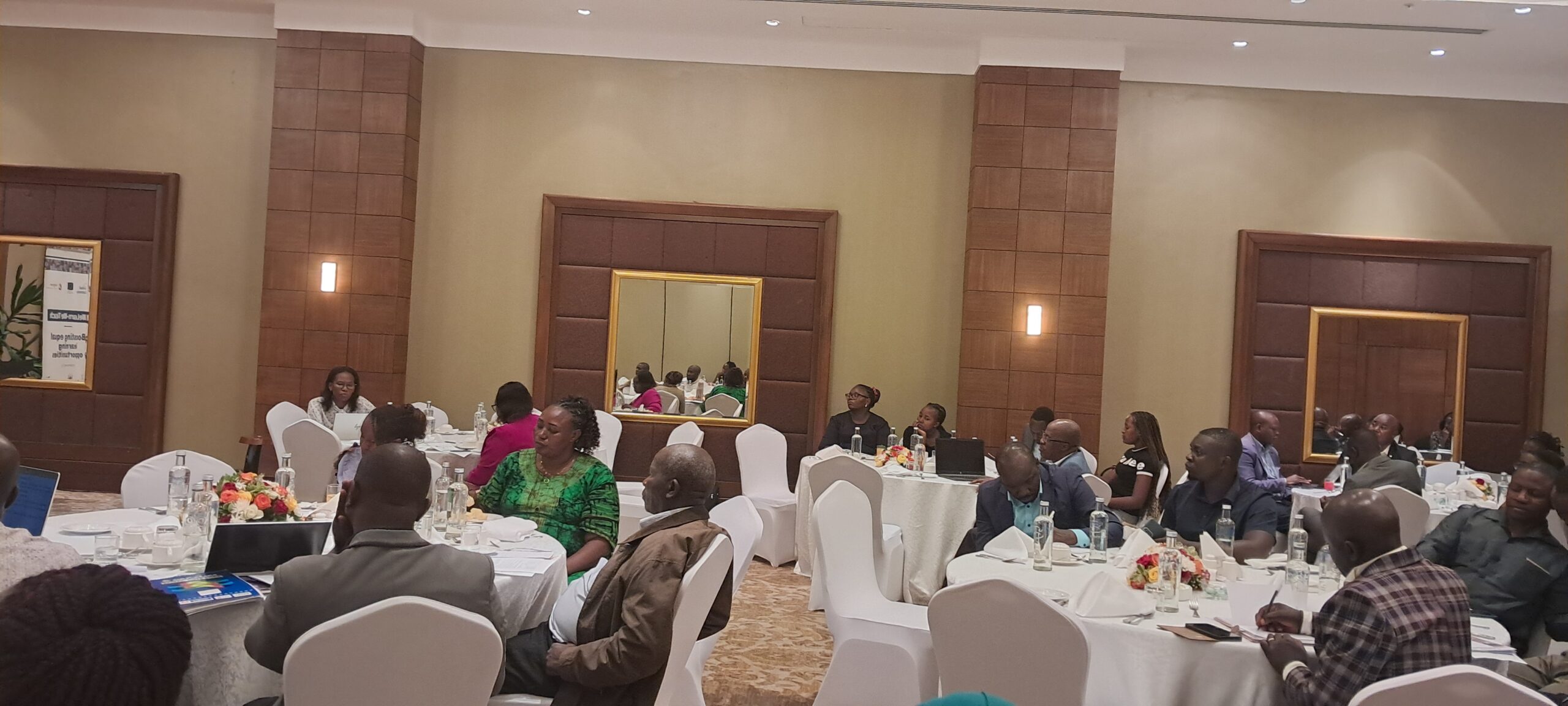
The findings were presented during a National Public Accountability Forum organised by the Civil Society Budget Advocacy Group (CSBAG), in partnership with the Rwenzori Anti-Corruption Coalition and BUSOGA NET.
The forum brought together civil society organisations, Members of Parliament, members of the Public Accounts Committee, parliamentary committees on education and health, representatives from the Ministries of Education, Health, Finance and Local Government, as well as academia and private sector actors.
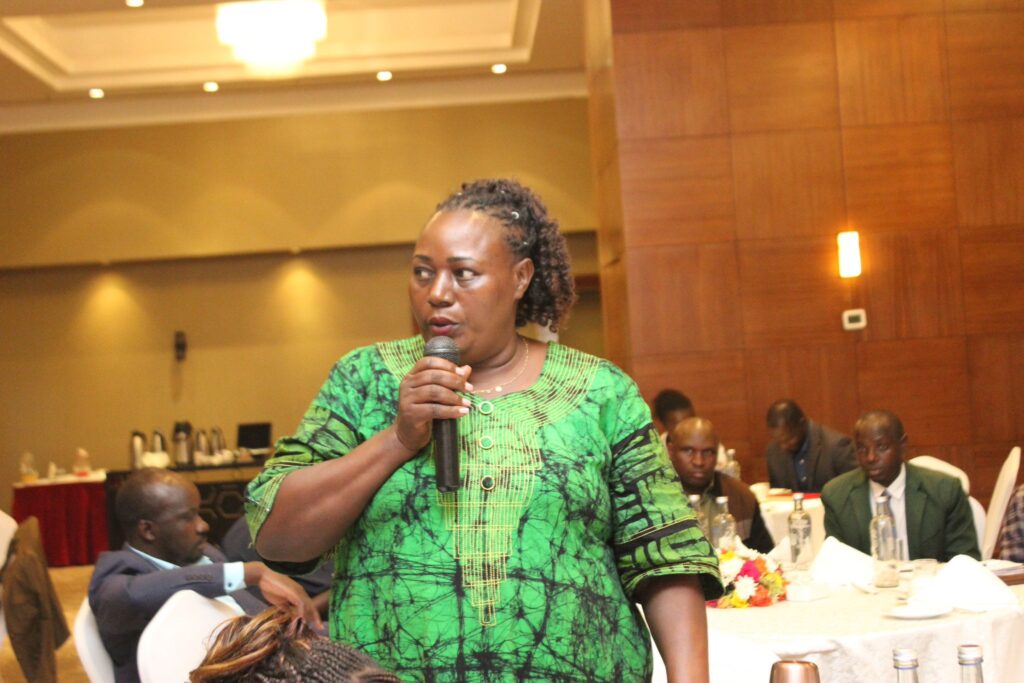
Speaking at the forum, Mutesi Aminah, the City Inspector of Schools of Jinja, acknowledged the responsibility of local government officials to supervise schools and ensure compliance with education standards but said inadequate resources were limiting their ability to perform their duties effectively.
We would love to do our part as people at the local government level, but the lack of resources remains our biggest hindrance,” Mutesi said.
Her remarks highlighted the challenges local government officials face in carrying out school inspections and monitoring service delivery amid limited resources.
The findings have raised questions about the adequacy of government funding, supervision and accountability mechanisms in ensuring that schools and health facilities provide quality services to communities.
The forum is expected to provide a platform for civil society organisations, government agencies and parliamentary committees to discuss the findings and identify measures to address the gaps in service delivery.
The monitoring exercise emphasizes the need for timely release of school grants, improved teacher attendance, adequate staffing and medical supplies, and greater transparency in the management of public resources.
Stakeholders are also expected to strengthen cooperation between citizens and government institutions to ensure that public funds deliver better education and health services.