
 Mama FM
Mama FM
Mama FM
3 October 2026, 11:45 am
By Byamukama Alozious
Older persons living in Uganda’s urban communities are facing growing challenges including loneliness, abuse, poor nutrition, declining incomes and property disputes, community leaders have said.
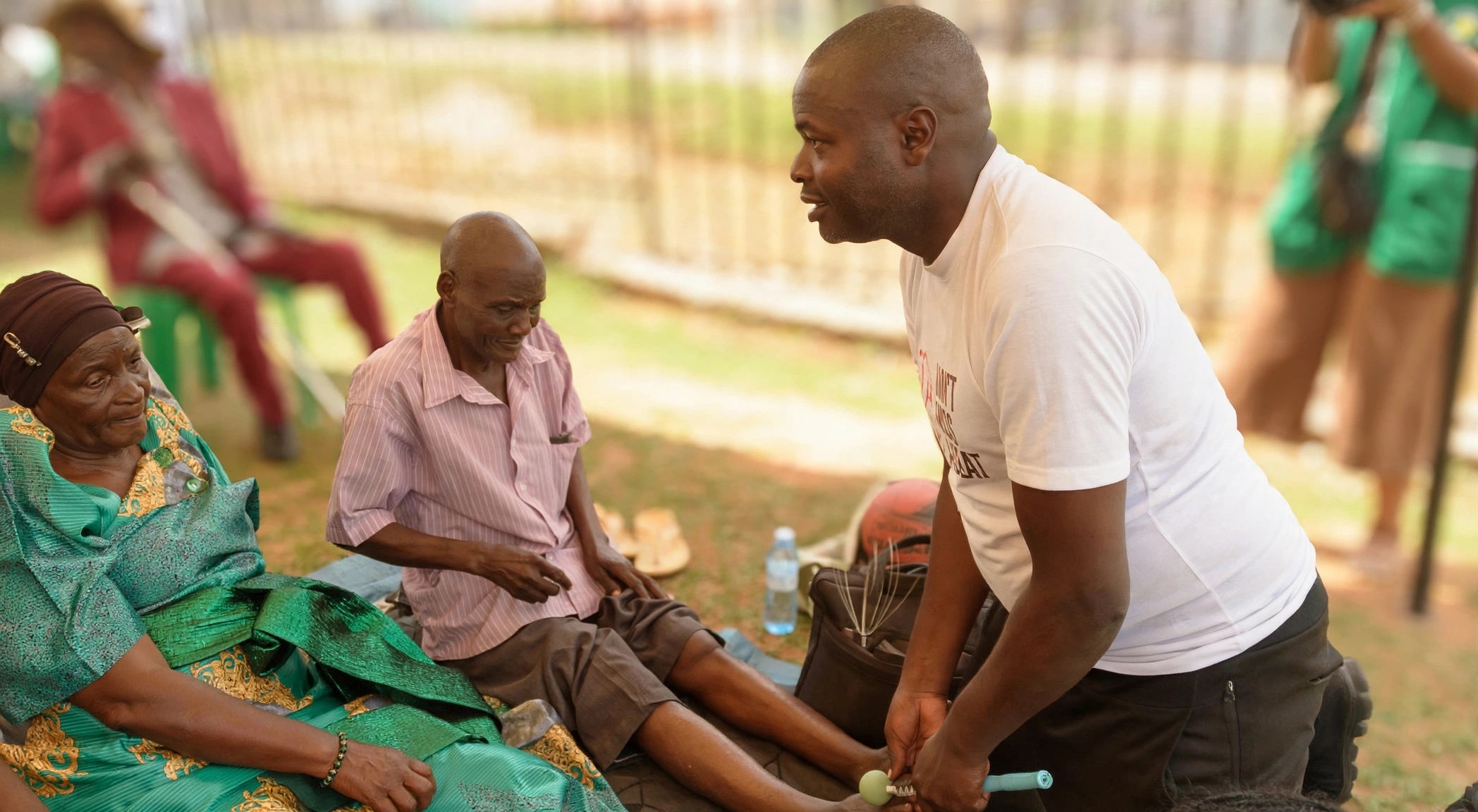
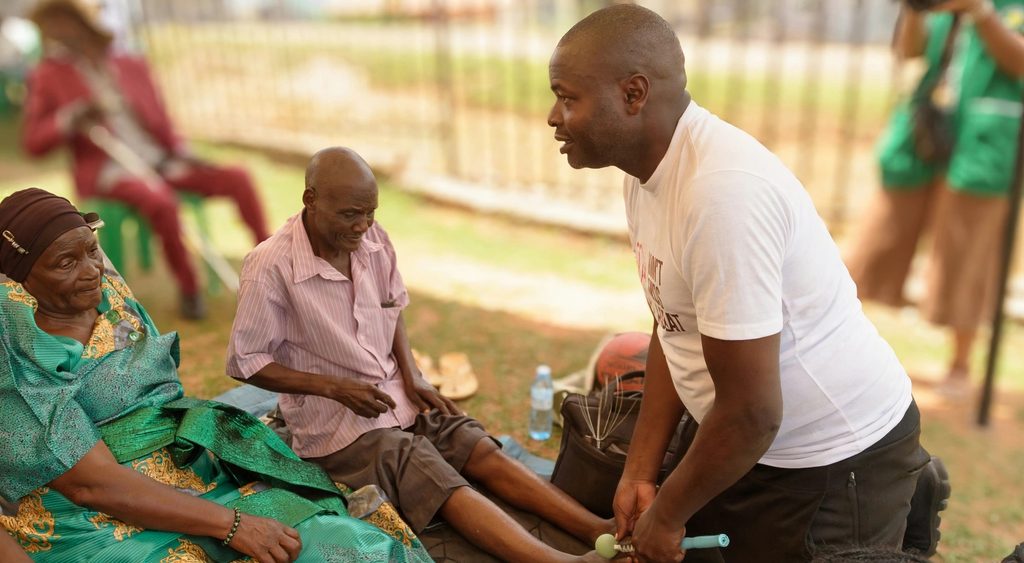
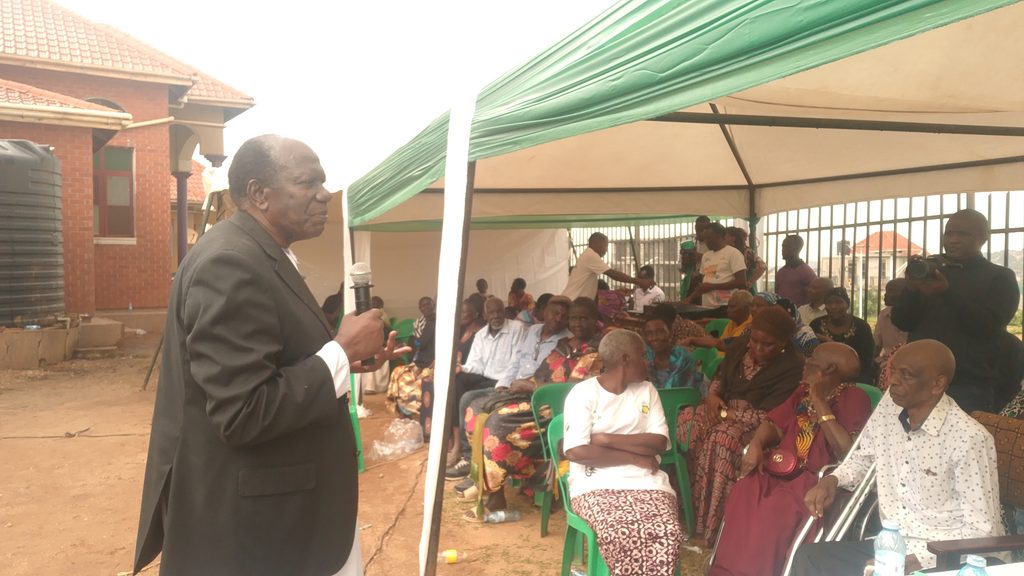
The concerns were raised at Lweza in Makindye Ssabagabo during a community gathering held to commemorate the International Day of Older Persons, bringing together older persons, community leaders, health workers and organizations supporting elderly people.
The gathering focused on the health, social and economic challenges affecting older people and the need for communities to support them to live active and dignified lives.
Rose Kiwanuka, team leader at the Lweza Compassionate Community Programme, encouraged older persons to take greater responsibility for their health and wellbeing as they age.
She urged them to eat balanced diets, spend time outdoors and maintain relationships with family members, friends and other community members instead of isolating themselves at home.
During the gathering, it was found that many of the elderly face economic hardships and yet they are vulnerable. Former Buganda Prime Minister John Baptist Walusimbi called on older persons to organise themselves into groups and develop activities that can improve their livelihoods.
He cited poultry keeping as one possible activity, saying it can provide eggs and meat while giving older persons an opportunity to work together and support one another.
However, Christopher Kyeyune, councillor for older persons in Makindye Ssabagabo, said many challenges faced by elderly people in urban areas require broader community and government intervention.
He said some older persons experience violence, loneliness and abuse, while others face disputes over land and other property.
Those who depend on rental income, Kyeyune added, can also struggle when tenants fail to pay rent, leaving them without a reliable source of income for food, healthcare and other basic needs.
He said the high cost of living in urban areas can make life particularly difficult for older people who no longer have stable incomes but still have to meet expenses for housing, food, healthcare and other necessities.
On nutrition, nutrition expert Daniel Kamara urged older persons to reduce their consumption of fast foods and street foods and instead eat fresh and nutritious foods.
He encouraged them to include fruits, vegetables and eggs in their diets and to drink enough clean water.
Kamara said living in an urban area should not prevent older persons from producing some of their own food. He encouraged them to keep birds for eggs and meat and grow vegetables in sacks, containers and other small spaces available around their homes.
He also encouraged older persons to consume milk and yoghurt regularly to support bone health, noting that ageing can increase the risk of fractures.
Kamara further urged older people to remain physically active by walking, moving around and spending time outdoors.
He cautioned them against taking medicines or dietary supplements simply because they have been recommended by relatives or grandchildren.
Instead, he advised them to seek guidance from qualified health professionals, warning that inappropriate use of some medicines and supplements can cause health complications, including kidney problems.
Older persons with existing health conditions who intend to participate in religious fasting were also advised to consult health professionals before beginning the fast.
Mark Mwesigwa, Executive Director of the Palliative Care Association of Uganda, said the organisation partnered with the Lweza community because of its work with older persons, who are among the people benefiting from palliative care services.
Mwesigwa called for stronger relationships between younger and older generations, saying both groups have knowledge and experiences that can benefit society.
He said the rapid changes taking place in society should not create a gap between generations, but instead provide opportunities for young and older people to learn from one another.
According to the Uganda Bureau of Statistics, people aged 60 years and above accounted for 5.0 percent of Uganda’s population in the 2024 National Population and Housing Census, representing approximately 2.3 million people out of a total population of 45.9 million.
The Lweza gathering highlighted that supporting Uganda’s growing older population requires more than access to medical care. Ensuring that older persons age with dignity also requires attention to nutrition, social connection, income security, protection from abuse, access to healthcare and opportunities for them to remain active in their communities.