
 Mama FM
11 November 2026, 1:46 am
By Paul Kabali KAMPALA, UGANDA – The National Union of Disabled Persons of Uganda (NUDIPU) has called on the Ministry of Works and Transport to prioritise disability inclusion in the planning, design, construction and maintenance of Uganda’s transport infrastructure, citing persistent barriers that prevent Persons with Disabilities (PWDs) from accessing road and railway transport safely and independently.
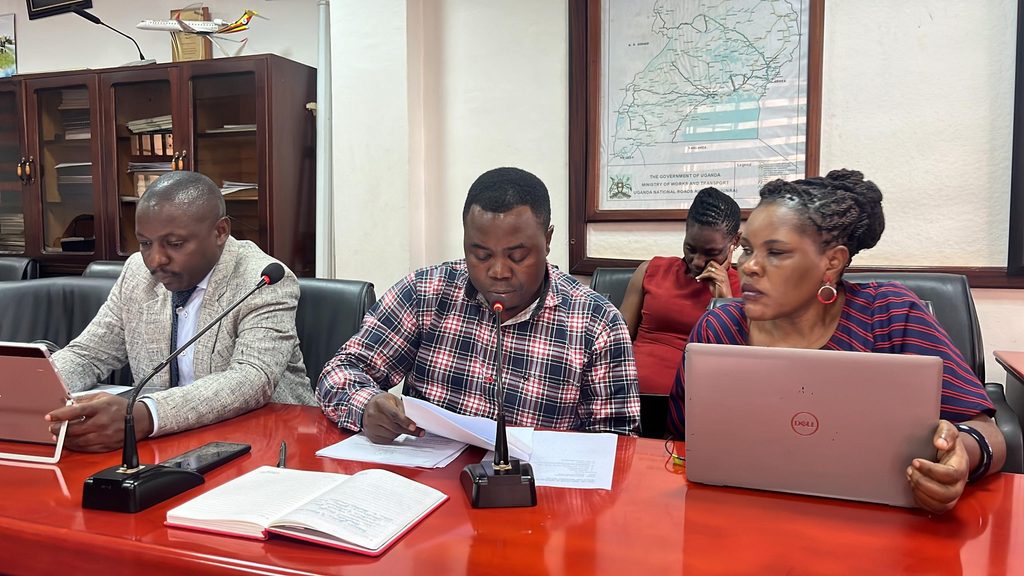
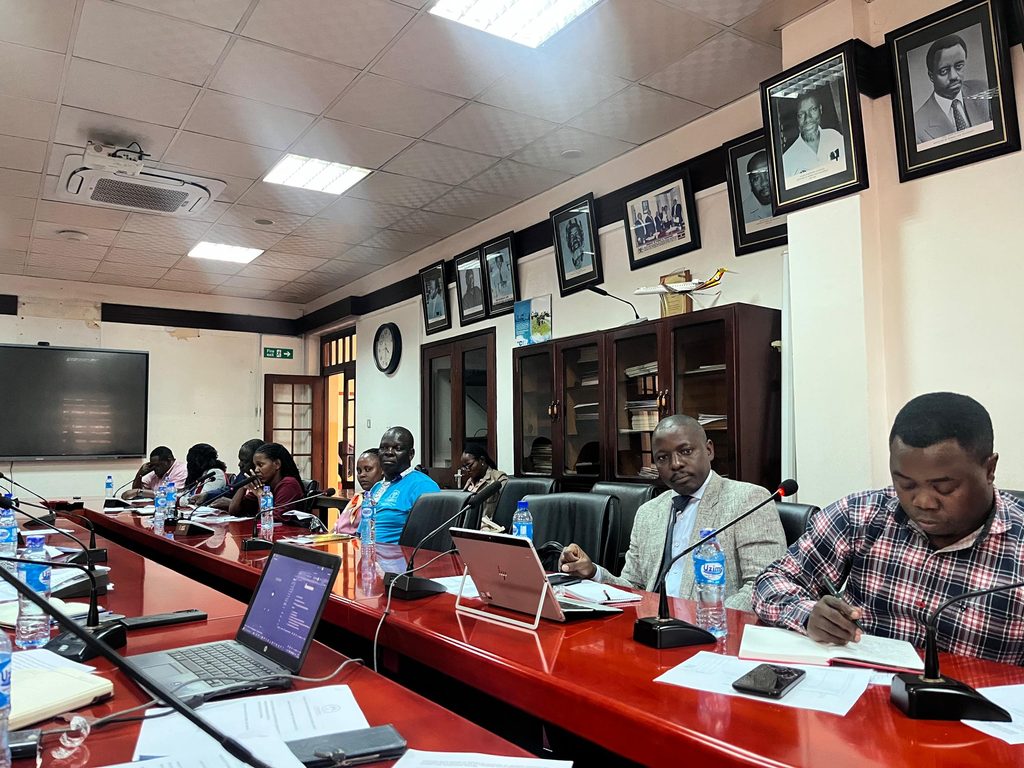
The call was made during a meeting between NUDIPU and the Ministry of Works and Transport, where the disability organisation presented a comprehensive issues paper highlighting challenges faced by Persons with Disabilities in the sector and proposed recommendations to address them.
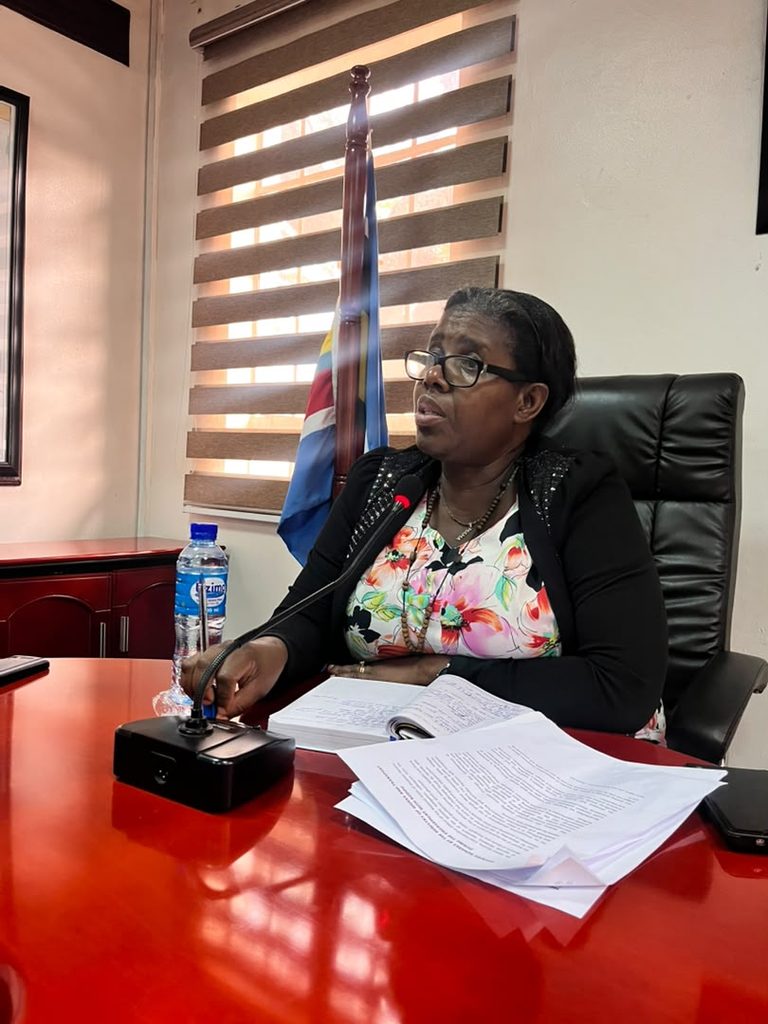
The meeting brought together officials from the Ministry and a NUDIPU delegation and Coalition partners led by NUDIPU Executive Director, Esther Kyozira. Eng. Betty Nbosa Kajumbe the Asistant Commissioner Structural and Engineering Ministry of Works and Transport, who chaired the meeting on behalf of the Permanent Secretary, welcomed the delegation and acknowledged the importance of making infrastructure development more inclusive.
Eng. Kajumbe noted that the Ministry was making efforts to integrate inclusivity into infrastructure planning but acknowledged that inadequate resources remain a significant challenge. She emphasised the need for collaboration between government and organisations representing Persons with Disabilities to advance accessible infrastructure.
She further challenged stakeholders to rethink how infrastructure development is assessed, stressing that the quality of infrastructure should not only be measured by its construction standards but also by whether all people can use it safely.
Uganda’s commitments versus the reality
In her remarks, NUDIPU Executive Director Esther Kyozira observed that despite Uganda being a signatory to several international declarations and conventions advocating for the rights and inclusion of Persons with Disabilities, significant barriers continue to affect their participation in society.
She emphasised that commitments to disability inclusion must translate into practical action, particularly in infrastructure development, where inaccessible roads, transport facilities and public spaces continue to restrict the independence and mobility of Persons with Disabilities.
The issues paper is anchored in Article 9 of the United Nations Convention on the Rights of Persons with Disabilities (CRPD), which Uganda ratified in 2008. The article obliges governments to ensure equal access to the physical environment, transportation, information and other public facilities.
It also draws on Article 15 of the African Charter on Human and Peoples’ Rights on the Rights of Persons with Disabilities, ratified by Uganda in 2024.
Presenting the issues paper, NUDIPU Programme Officer David Nangosi outlined the barriers experienced by Persons with Disabilities across different modes of transport, calling for deliberate interventions by the Ministry and other relevant stakeholders.
Inaccessible roads and public transport
The paper identifies several challenges affecting Persons with Disabilities using road transport, including narrow roads without walkways, obstructed pedestrian paths, inaccessible public transport vehicles, poorly designed taxi and bus parks, and inadequate sanitation facilities.
For persons with visual impairments, the absence of audible signals at traffic lights and pedestrian crossings presents additional safety risks, while the failure of motorists to respect zebra crossings further exposes them to danger.
Persons who use wheelchairs and those of short stature face particular difficulties boarding public transport because many taxis and buses lack appropriate ramps and accessible seating arrangements. In some instances, passengers have to be physically carried into vehicles, compromising their safety and dignity.
The paper also highlights reports of transport operators charging passengers for carrying their wheelchairs, as well as discrimination and negative attitudes from some drivers and conductors.
These barriers often discourage Persons with Disabilities from travelling, limiting their access to employment, education, healthcare and other essential services.
Railway transport presents additional challenges
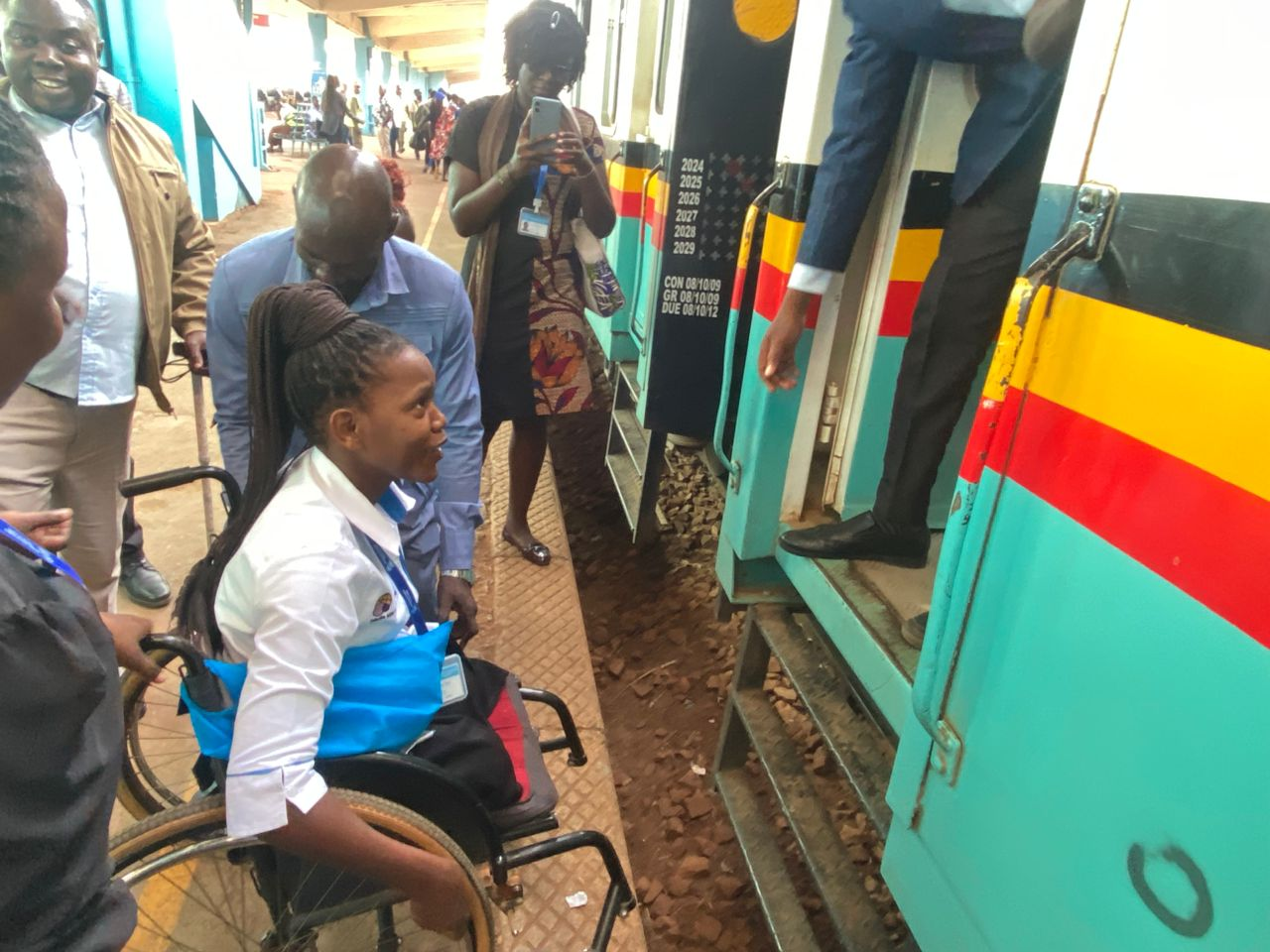
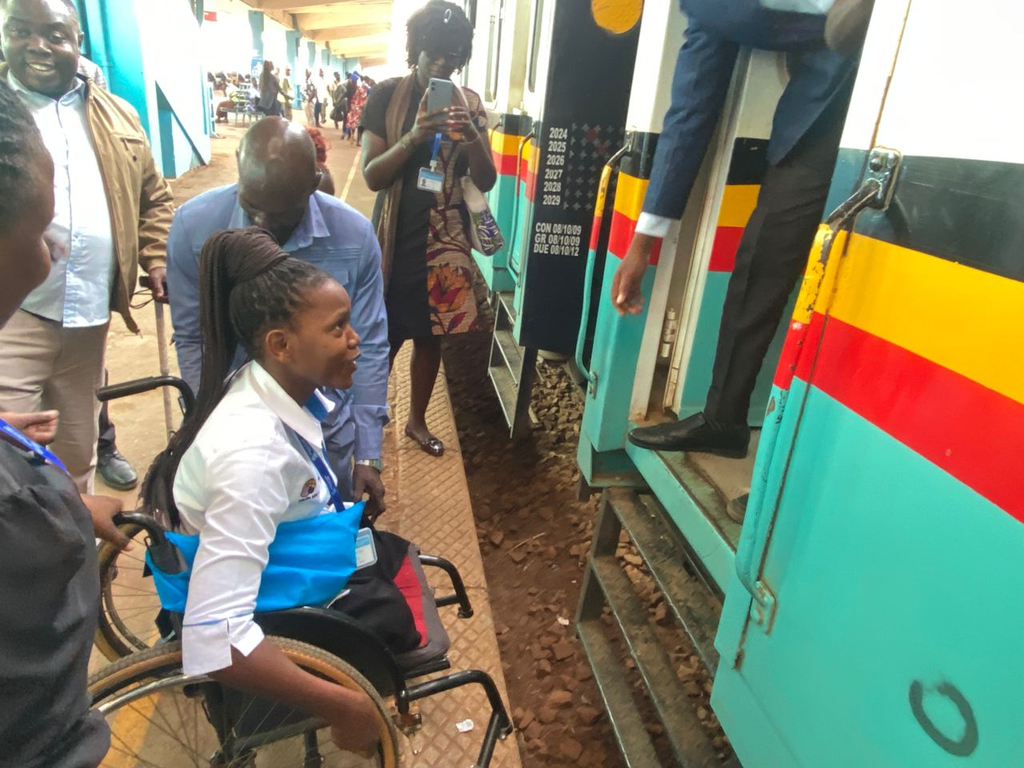
NUDIPU also raised concerns about accessibility challenges within Uganda’s railway transport system, following a practical assessment undertaken during a train journey from Kampala to Namanve.
The assessment identified several barriers, including steps at the train booking reception, inaccessible pathways to the train, absence of boarding ramps and narrow train entrances that cannot accommodate some wheelchairs.
The paper further notes that the narrow corridors inside the train make it difficult for wheelchair users to manoeuvre, while there is no designated space for storing wheelchairs.
Other concerns include the absence of audio announcements and visual information screens to communicate destinations and stopovers, inadequate toilet facilities and a lack of sheltered waiting areas at some stations, including Namanve and Namboole.
NUDIPU argues that these challenges demonstrate that accessibility must be considered throughout the entire transport journey, rather than focusing on individual infrastructure facilities.
Concerns over representation in building oversight structures
Beyond roads and transport services, NUDIPU raised concerns about the representation of Persons with Disabilities in structures responsible for overseeing the construction industry.
According to the issues paper, the 2026 amendment to the Building Control Act revised the membership of the National Building Review Board and removed the representation of Persons with Disabilities from District Building Committees.
NUDIPU argues that this development limits the direct participation of Persons with Disabilities in decisions affecting the accessibility of the built environment.
The organisation is therefore calling on the Ministry and the National Building Review Board to co-opt representatives of Persons with Disabilities into these structures to ensure that their lived experiences and accessibility needs inform infrastructure and building decisions.
NUDIPU proposes practical solutions
To address the challenges, NUDIPU has proposed a series of interventions, including the construction of accessible walkways, removal of obstacles from pedestrian paths, installation of audible signals at pedestrian crossings and development of accessibility guidelines for taxi and bus parks.
The organisation is also calling for public transport operators to install ramps, provide accessible seating and stop charging passengers for transporting their wheelchairs.
For railway transport, NUDIPU recommends the construction of ramps at stations, accessible pathways and train entrances, improved internal train designs, designated wheelchair spaces, accessible communication systems and toilet facilities at railway stations.
It further calls for regular monitoring of transport infrastructure to ensure compliance with accessibility standards.
The organisation maintains that disability inclusion should be integrated from the initial stages of infrastructure planning rather than treated as an additional consideration after construction.
Call for stronger collaboration
The meeting provided an opportunity for NUDIPU and the Ministry to discuss the practical challenges affecting Persons with Disabilities and explore areas of collaboration towards building a more inclusive transport system.
While the Ministry acknowledged resource constraints and the need for partnerships, NUDIPU emphasised that accessibility is not merely a development preference but a fundamental right and a necessary requirement for equal participation in society.
The organisation also noted that ongoing improvements to railway services ahead of the Africa Cup of Nations (AFCON) provide an important opportunity for Uganda to demonstrate its commitment to inclusive infrastructure development.
NUDIPU called upon the Ministry of Works and Transport, Uganda Railways Corporation, transport operators, local governments and other stakeholders to meaningfully involve Organisations of Persons with Disabilities in the design, implementation and monitoring of infrastructure projects.
The issues paper was developed in consultation with 10 Organisations of Persons with Disabilities, including the Uganda National Association of the Blind, Uganda National Association of the Deaf, Uganda National Action on Physical Disability, National Association of Deafblind Union and Uganda Federation of the Hard of Hearing, among others.
Ultimately, NUDIPU maintains that accessible infrastructure benefits everyone, including older persons, pregnant women, children and other vulnerable road users.
As Uganda continues to invest in its road and railway networks, the organisation insists that infrastructure development must be judged not simply by what is built, but by who can access and use it safely, independently and with dignity.