Bahá’í Community Calls for Greater Investment in Peace
Bahá’í Community Calls for Greater Investment in Peace
22 September 2026, 10:37 pm
By Paul Kabali
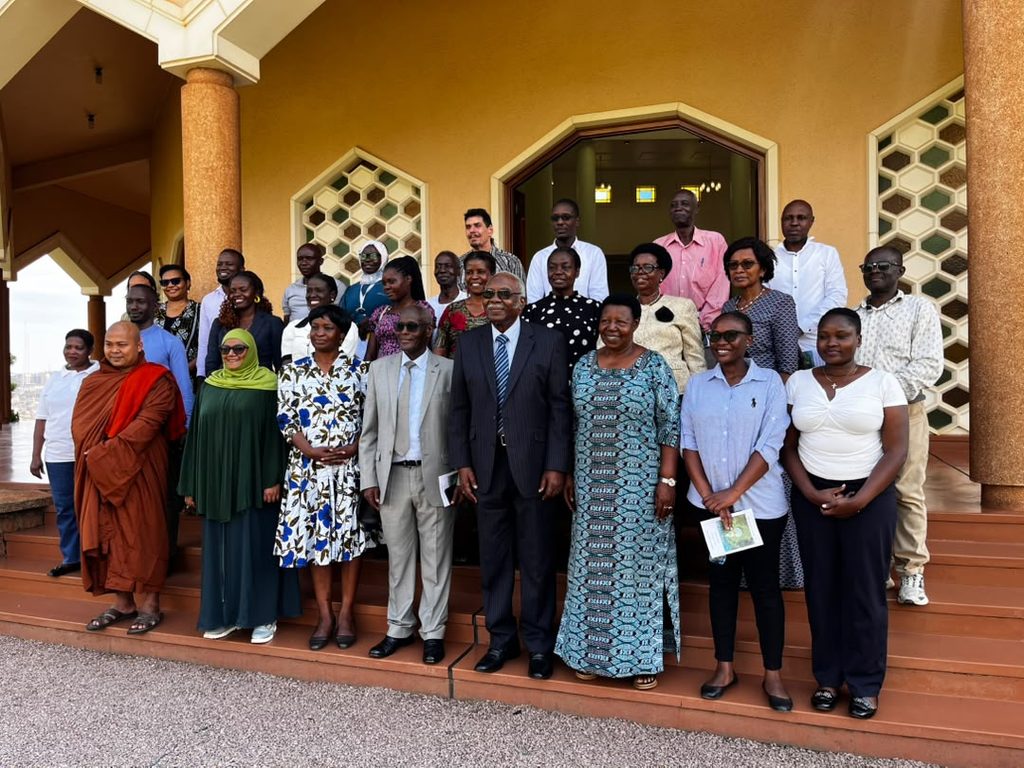
Participants from government, religious and cultural institutions, civil society, academia and the media pose for a group photo during the International Day of Peace 2026 commemoration at the Bahá’í House of Worship on Kikaya Hill, Kampala
The search for peace has never been more urgent, Okiror John Robarts, a member of the National Spiritual Assembly of the Bahá’ís of Uganda, has said, calling for greater individual and collective efforts to build peaceful communities.
Robarts made the remarks on Monday, September 21, 2026, during celebrations to mark the International Day of Peace at the Bahá’í House of Worship grounds on Kikaya Hill in Kampala.
The event, organised by the Bahá’í Office of External Affairs in Uganda under the theme “Investing in Peace for Everyone, Everywhere, Every Day,” brought together representatives from government, religious and cultural institutions, civil society, academia and the media.
The event began with a prayer programme inside the Bahá’í Temple, where participants gathered for prayers and reflection on peace and the shared humanity of people from different backgrounds.
Robarts said the search for peace has become increasingly important at a time when societies are facing growing divisions and tensions.
He called on Ugandans to view peace not only as the responsibility of governments and institutions but as a responsibility shared by individuals and communities.
Speaking at the same event, Rev. Canon Aaron Mwesige, Director of Religious Affairs in the Directorate of Ethics and Integrity in the Office of the President, said the gathering demonstrated the importance of bringing people from different sectors and faith backgrounds together in the pursuit of peace.
“It is a great honor to join you today as we commemorate the International Day of Faith under the theme Investing in Peace for everyone, everywhere, every day,” Mwesige said.
He thanked participants for attending the gathering, noting that it had attracted people beyond the Bahá’í community.
“Looking around this gathering, I don’t think we only have the Baha’i faith members. The rest are here from government, from cultural institutions, civil society, academia, even the media fraternity,” he said.
Mwesige said such diversity provides an opportunity for different sections of society to reflect on their contribution to peace and social cohesion.
Former Minister and gender equality advocate Miria Matembe, who also attended the event, warned that greed for power and material wealth is undermining humanity and threatening peaceful coexistence.
Matembe said Ugandans need to reflect on the values that shape society as they mark the International Day of Peace.
“As we celebrate right now, I want to say as a country that we really need to know that with greed at the center of our human beings these days. Greed for power, an unbelievable greed for power, for materialism,” Matembe said.
She said the pursuit of power and material possessions risks eroding people’s sense of humanity.
“I can’t understand this kind of situation, things, have taken away what I call humanity,” she said.
The speakers also emphasised the role of religious communities and other institutions in promoting dialogue, strengthening families and preventing division.
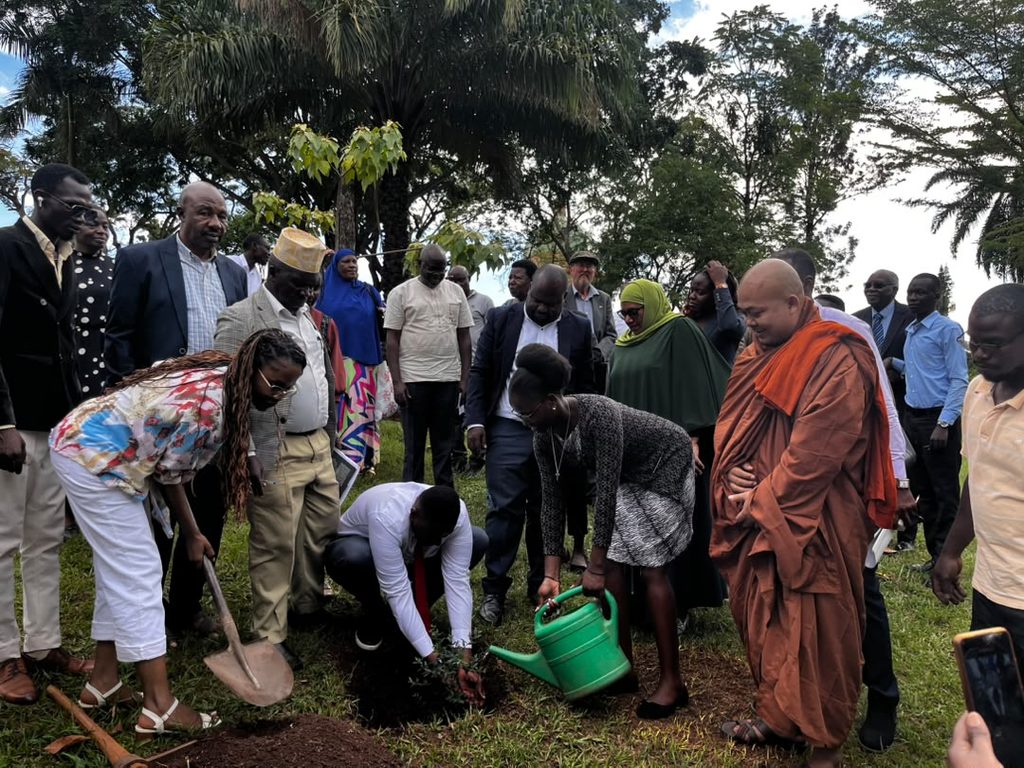
The commemoration ended with the planting of three fruit trees at the Bahá’í House of Worship grounds, symbolising peace and a commitment to nurturing a peaceful and sustainable future.
Participants plant fruit trees at the Bahá’í House of Worship grounds in Kampala as a symbol of peace and a commitment to a sustainable future during the International Day of Peace 2026 commemoration.
The Bahá’í Office of External Affairs said peace should be understood as an everyday responsibility, reflected in how people relate to one another in families, schools, workplaces and online spaces.
The International Day of Peace is observed annually on September 21. In Uganda, the Bahá’í community used this year’s commemoration to bring together people from different backgrounds to reflect on the need for peace and the contribution each person can make to a more cohesive society.
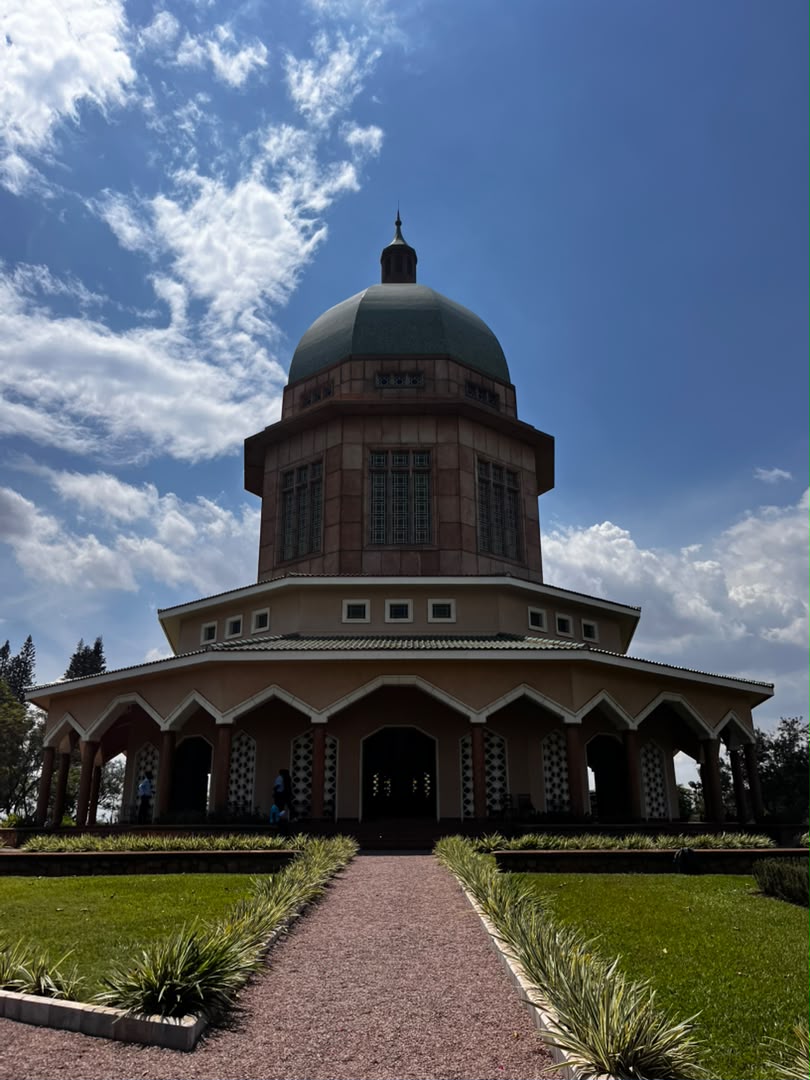
The Bahá’í Faith was introduced to Uganda in 1951 and has been involved in community-building, education and social activities in the country. The Bahá’í House of Worship on Kikaya Hill is open to people of different faiths and backgrounds.

 Mama FM