
 Mama FM
Mama FM
Mama FM
18 June 2026, 5:16 pm
By Byamukama Alozious
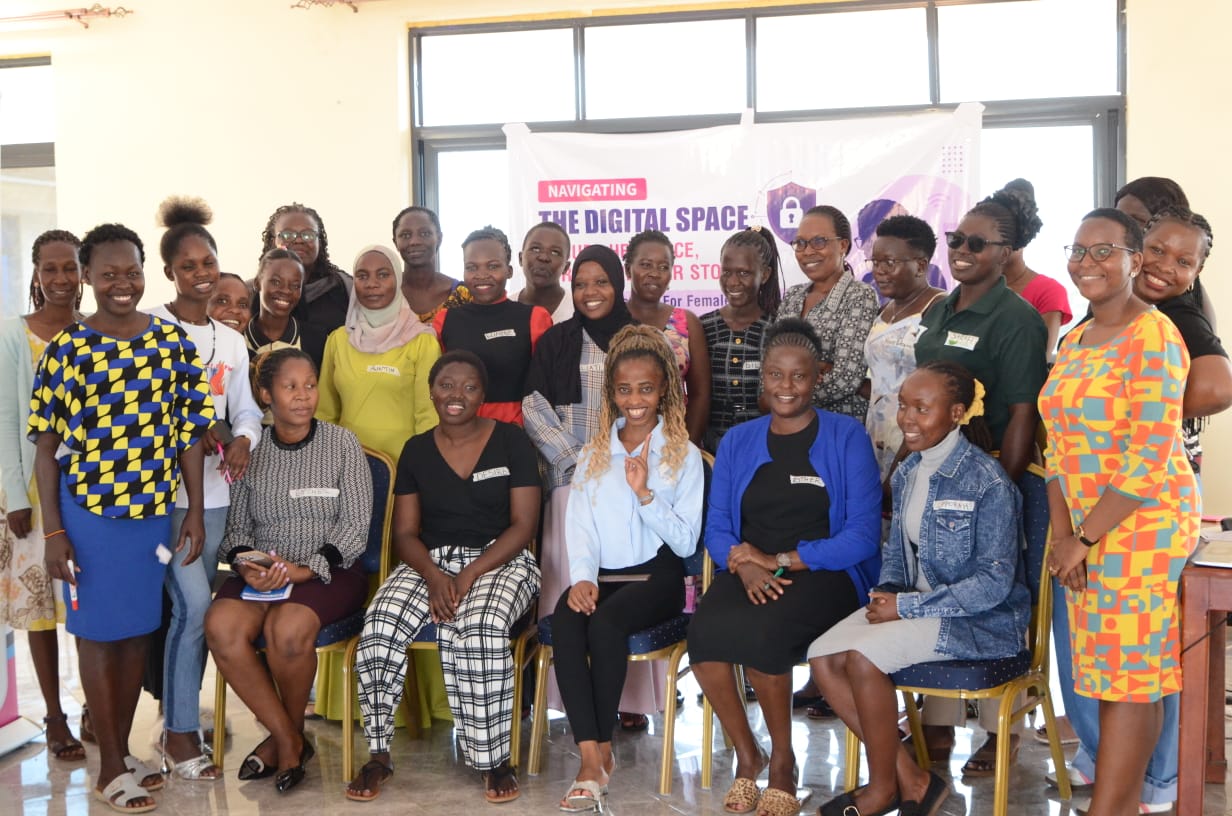
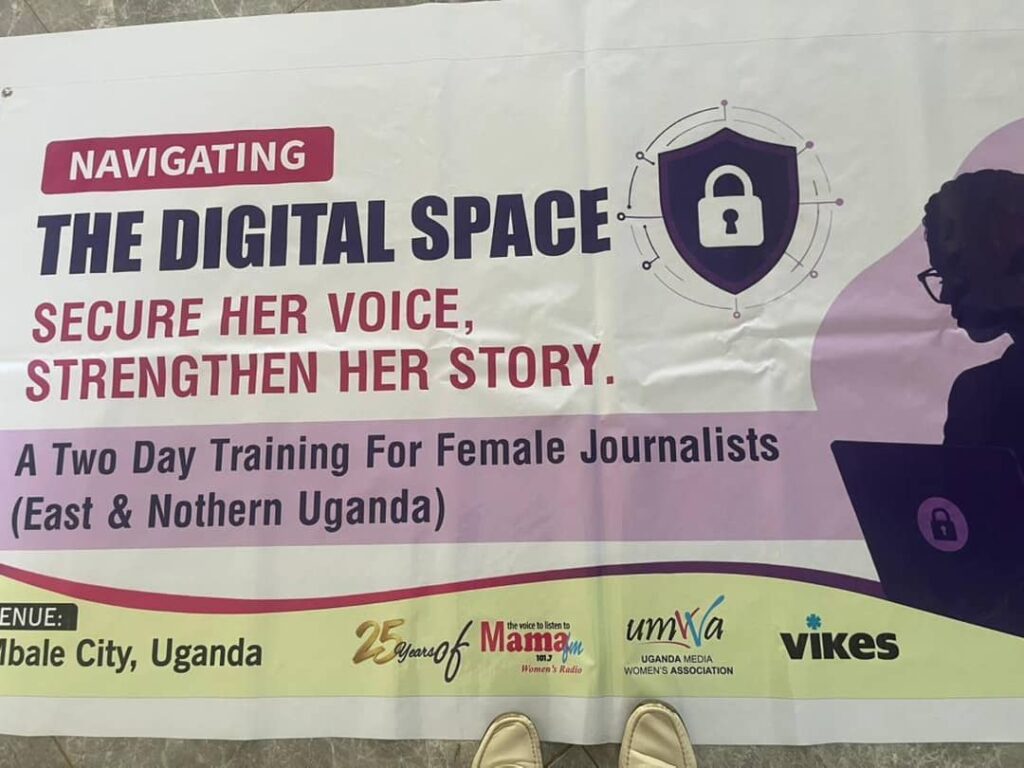
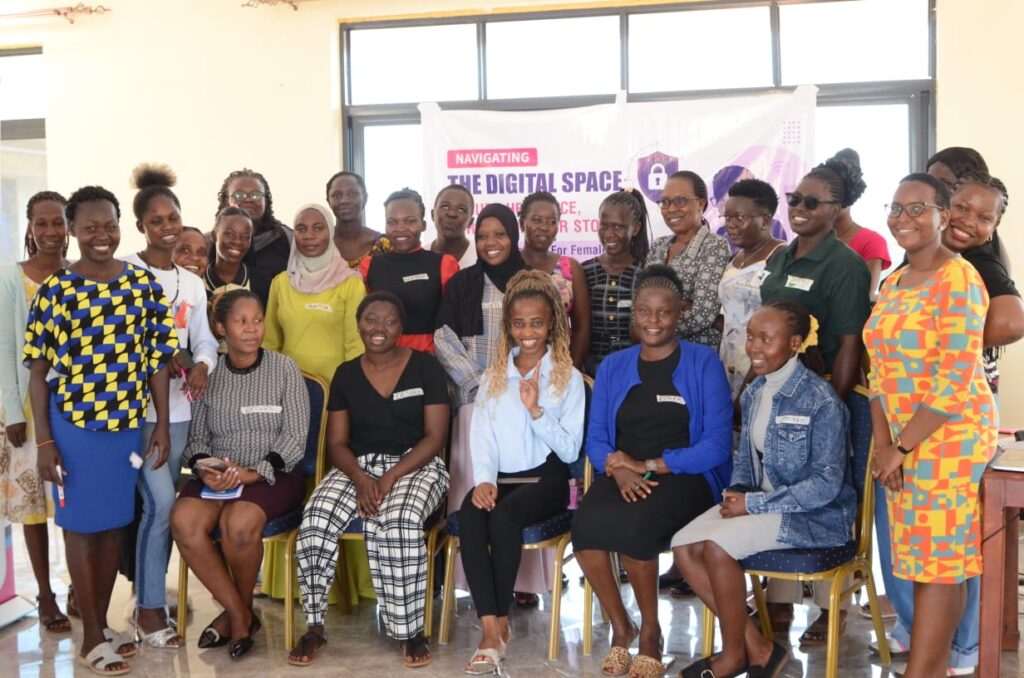
More than 30 female journalists from 13 districts across Eastern and Northern Uganda have completed a two-day digital safety training aimed at strengthening their ability to protect themselves online, safeguard their digital identities, and confidently use digital platforms in their work.
The training, organised by the Uganda Media Women’s Association (UMWA) in partnership with Vikes, brought together journalists from districts including Agago, Dokolo, Soroti, Serere, Mbale, Kumi, Katakwi, and other parts of Northern and Eastern Uganda.
With journalism increasingly shifting to digital platforms, the training focused on digital identity, WhatsApp security, social media management, online privacy, fact-checking, digital wellbeing, responsible online engagement, and personal security.
Opening the first day’s sessions, digital media trainer Ndagire Laila challenged participants to understand who they are in the digital space before engaging online.
“If you cannot describe yourself and your digital tools, then who are you? We need to know our identity for the people around us,” she said.
Laila took participants through practical sessions on securing smartphones, strengthening passwords, activating two-factor authentication, protecting email accounts, and improving privacy settings across different platforms.
She demonstrated how journalists can safely manage their WhatsApp accounts by controlling who can view their profile photo, online status, last seen, and personal information. Participants also learned how to secure WhatsApp chats, safely manage groups, verify suspicious messages, identify fake accounts, and avoid common scams targeting journalists.
The trainer further guided participants on effectively using X (formerly Twitter) as a professional platform for breaking news, networking, building audiences, and creating opportunities beyond traditional media.
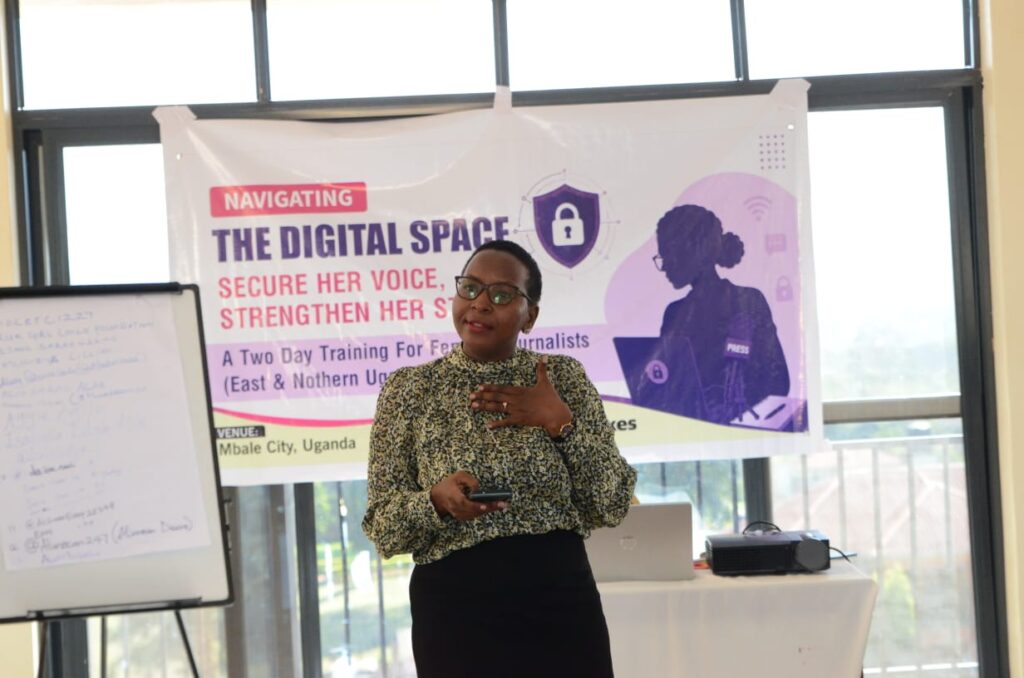
Several participants opened X accounts for the first time during the training after learning how the platform can be used to increase professional visibility and even generate income through content creation.
Laila also introduced journalists to digital identity management, explaining how everything shared online contributes to an individual’s digital footprint.
She encouraged participants to regularly review their privacy settings, avoid oversharing personal information, separate professional and personal content where necessary, and think carefully before posting.
The sessions were highly interactive, with journalists divided into discussion groups where they shared personal experiences of online abuse, digital insecurity, cyber harassment, misinformation, and challenges encountered while reporting.
Participants compared how they manage their social media accounts, discussed common mistakes made online, and exchanged practical solutions for improving digital security.
Speaking during the training, UMWA Project Coordinator Catherine Apalat said the programme was informed by findings from a 2023 study that revealed widespread online violence against female journalists.
She said many women journalists suffer cyber harassment but rarely report it because they lack reporting mechanisms and the skills to respond safely.
“Our study found that many female journalists suffer in silence after experiencing online abuse. In many cases, the perpetrators are sources they interact with during their work or even colleagues within media houses,” Apalat said.
She added that a needs assessment conducted before the training exposed major digital skills gaps.
“We found that many journalists lacked knowledge on privacy management, securing devices, using strong passwords, activating two-factor authentication, identifying misinformation and disinformation, and protecting their online identity,” she said.
Apalat noted that the assessment also revealed that many participants had never created X accounts despite the platform’s growing importance in modern journalism.
“We assume journalists already possess these digital skills, but this training has shown that many still need support. We hope to organise more specialised trainings that focus on digital platforms, online safety, and digital career growth,” she added.
Throughout the training, participants shared emotional testimonies about the abuse they have faced while carrying out their work.
Agnes Agilo, a journalist from Radio Wa Lira, narrated how she faced intimidation after reporting on the government’s Parish Development Model (PDM) programme.
She said some of the people featured in her story later began threatening her because they were unhappy with the coverage.
“I did not know how to handle such situations before. Today I have learnt how to preserve evidence, secure my accounts, manage risks and protect myself while continuing to do my work,” Agilo said.
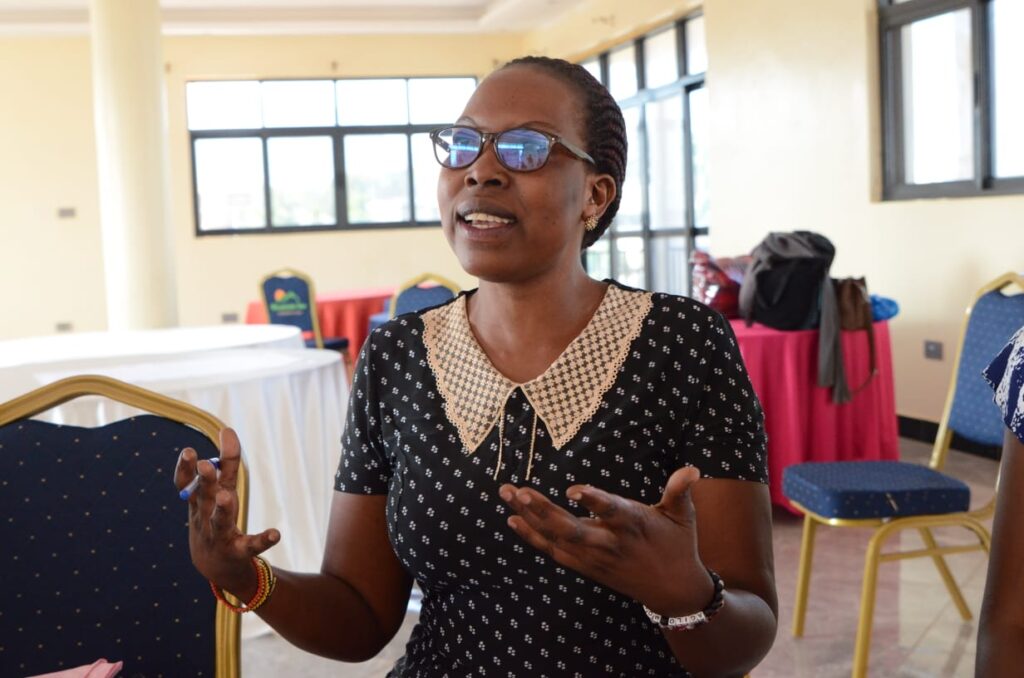
Another participant recounted covering incidents during the previous general elections in Mbale when supporters of rival political parties turned against her as she recorded the destruction of campaign posters.
“They started shouting, look at this reporter. These journalists are bad, making me feel intimidated and unsafe while simply doing my job,” she recalled.
Mwamim Nakasinga from IUIU Radio, shared how she organised and reported on a schools’ debating tournament in Mbale but later became the target of online insults.
“People called me a fool, a nuisance and many other abusive names despite the effort I had invested in organising the event. It was heartbreaking because I only wanted to promote education,” she said.
Another journalist narrated how publishing a story on Facebook exposed her to sexual harassment.
“Instead of receiving comments about my story, some people sent nude pictures and offensive messages in my inbox. It made me uncomfortable and showed how vulnerable female journalists can be online,” she said.
Participants agreed that the testimonies reflected challenges many women journalists silently endure, including cyber harassment, intimidation, verbal abuse, sexual harassment, fake accounts, and threats from both strangers and people they interact with professionally.
The journalists were also taken through personal security protocols while covering assignments.
Facilitators advised them to always assess the environments they work in, understand security procedures at institutions and public events, remain alert to potential risks, and protect both themselves and their equipment.
They were encouraged to cooperate with professional security checks where procedures are clear and respectful but to leave immediately if they feel unsafe or if security personnel become threatening or excessively intrusive.
Participants described the training as timely, saying it had equipped them with practical knowledge to strengthen their digital security, protect their identities, confidently use social media platforms, and continue reporting safely in an increasingly digital media environment.