
 Mama FM
Mama FM
Mama FM
23 June 2026, 1:29 pm
By Annet Nakato.
As Uganda intensifies efforts to contain the Ebola outbreak, stakeholders are calling for equal attention to the protection of women’s sexual and reproductive health and rights (SRHR), warning that public health emergencies often place women and girls at heightened risk.
Many women and girls are reportedly avoiding health facilities due to fears of contracting Ebola, leading to delays in seeking critical services such as family planning, antenatal and postnatal care, HIV treatment, and safe abortion services where legally permitted.
During those emergencies, cases of unintended pregnancies among adolescents increased, while some women faced childbirth complications after delivering outside health facilities.
Others resorted to unsafe abortions due to limited access to healthcare, and people living with HIV struggled to obtain medication because of fears associated with visiting health centres.
The Ministry of Health has continued to implement public awareness campaigns through television, radio, social media, and community outreach to educate the public on Ebola prevention and control measures.
While these efforts have been widely commended, experts say more targeted messaging is needed to address the specific concerns of women and girls.
They argue that public health communication should reassure women that essential SRHR services remain available and provide clear information on how to safely access healthcare facilities during the outbreak.

According to Dr. Marion Natukunda, Senior Communications Officer at the Ministry of Health, women and adolescent girls are among the groups most affected during disease outbreaks because they often serve as primary caregivers for sick family members, increasing their risk of exposure to infectious diseases such as Ebola.
Dr. Natukunda explained that when a woman is identified as an Ebola contact and placed in isolation, the effects are often felt throughout the household because many women are responsible for caring for children and managing family welfare.
The Ministry has also collaborated with local governments, religious leaders, cultural institutions, and community structures to ensure women and girls continue accessing essential reproductive health services.
To further support women, Ministry teams have been conducting follow-ups with expectant and new mothers to help them access healthcare safely during the outbreak.
“We have put measures in place to ensure that essential SRHR services remain available and accessible during the Ebola response.
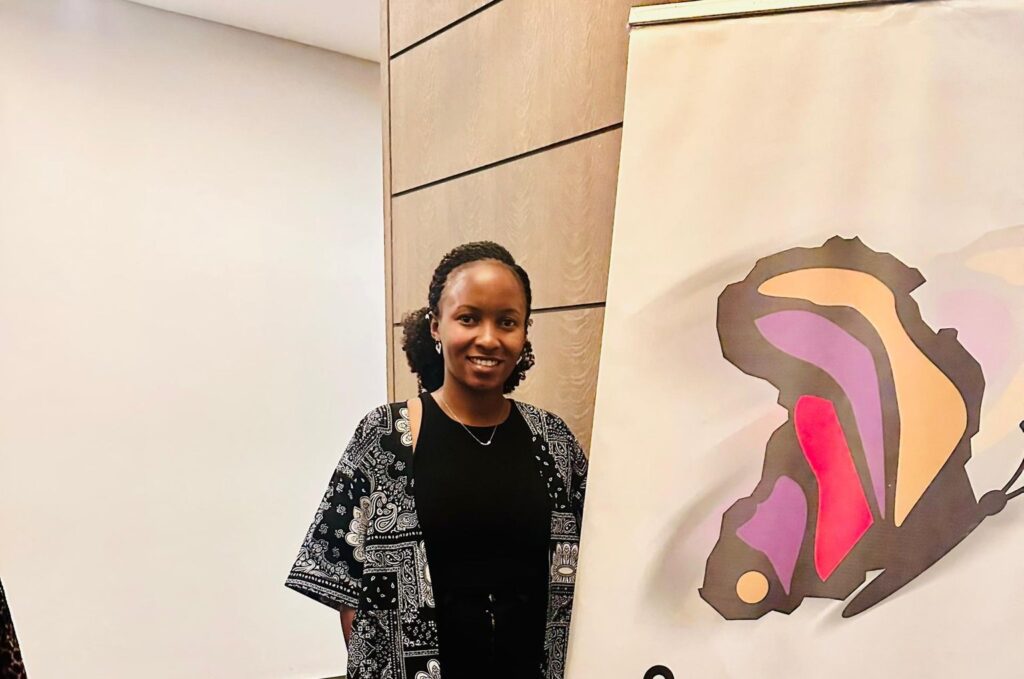
Speaking during a webinar on protecting women’s rights during the Ebola outbreak organized by the Women’s Probono Initiative (WPI), Legal Officer Tracy Nabaale emphasized the importance of safeguarding vulnerable groups, especially adolescent girls and young women, during public health emergencies.
Nabaale said disease outbreaks often disrupt access to essential services, making it necessary for governments and other stakeholders to provide accurate, timely, and accessible information.
She noted that informed women and girls are better able to make decisions about their health and seek reproductive healthcare when needed.
She stressed that uninterrupted access to SRHR services is vital in preventing unintended pregnancies, maternal health complications, and other adverse outcomes that disproportionately affect women and girls during crises.

The Executive Director of New Life Adolescent and Youth Organisation (NAYO), Dr. Olivia Nakasita, expressed concern about delays in the release of Ebola laboratory test results, arguing that such delays could contribute to the spread of the virus.
According to Dr. Nakasita, suspected cases often continue interacting with family members and communities while awaiting results, increasing the possibility of further transmission before confirmation.
She also observed that public acceptance of Ebola prevention measures appears lower than during previous outbreaks, with some individuals remaining unconvinced about the seriousness of the disease.
Dr. Nakasita emphasized that women’s reproductive health needs continue regardless of public health emergencies.
She noted that women and girls still require services related to menstruation, pregnancy, childbirth, family planning, antenatal care, and postnatal care even during outbreaks.

Similarly, Dr. Hellena Nagawa, a pharmacist and founder of EquiHealth Africa, said women often carry a disproportionate burden of unpaid care work, which becomes even greater during disease outbreaks. As caregivers, many women face increased exposure to infection while receiving limited support.
Dr. Nagawa urged policymakers to recognize women not only as caregivers but also as critical partners in epidemic preparedness and response.
She argued that women should be involved in leadership, planning, and decision-making processes because they have firsthand knowledge of the challenges communities face in accessing healthcare.
“Women understand the realities of stigma, both at home and within communities. They know why some people fail to seek treatment and are well placed to design solutions that improve access to healthcare,”
She added that empowering women to participate fully in emergency preparedness and response efforts would strengthen Uganda’s capacity to manage future disease outbreaks while safeguarding the health, rights, and well-being of women and girls.