
 Mama FM
Mama FM
Mama FM
27 May 2026, 12:41 pm
Byamukama Alozious
Health experts have called for increased support, accurate sexual and reproductive health information, and access to skilled care to reduce the dangers associated with unsafe abortions, especially among teenagers and vulnerable women.
The calls were made during a Science Café organised by the Health Journalists Network Uganda at the HEJNU offices in Kamwokya under the CATALYSTS Consortium project. The engagement brought together journalists from different media houses to discuss access to safe abortion care and advancing reproductive justice.
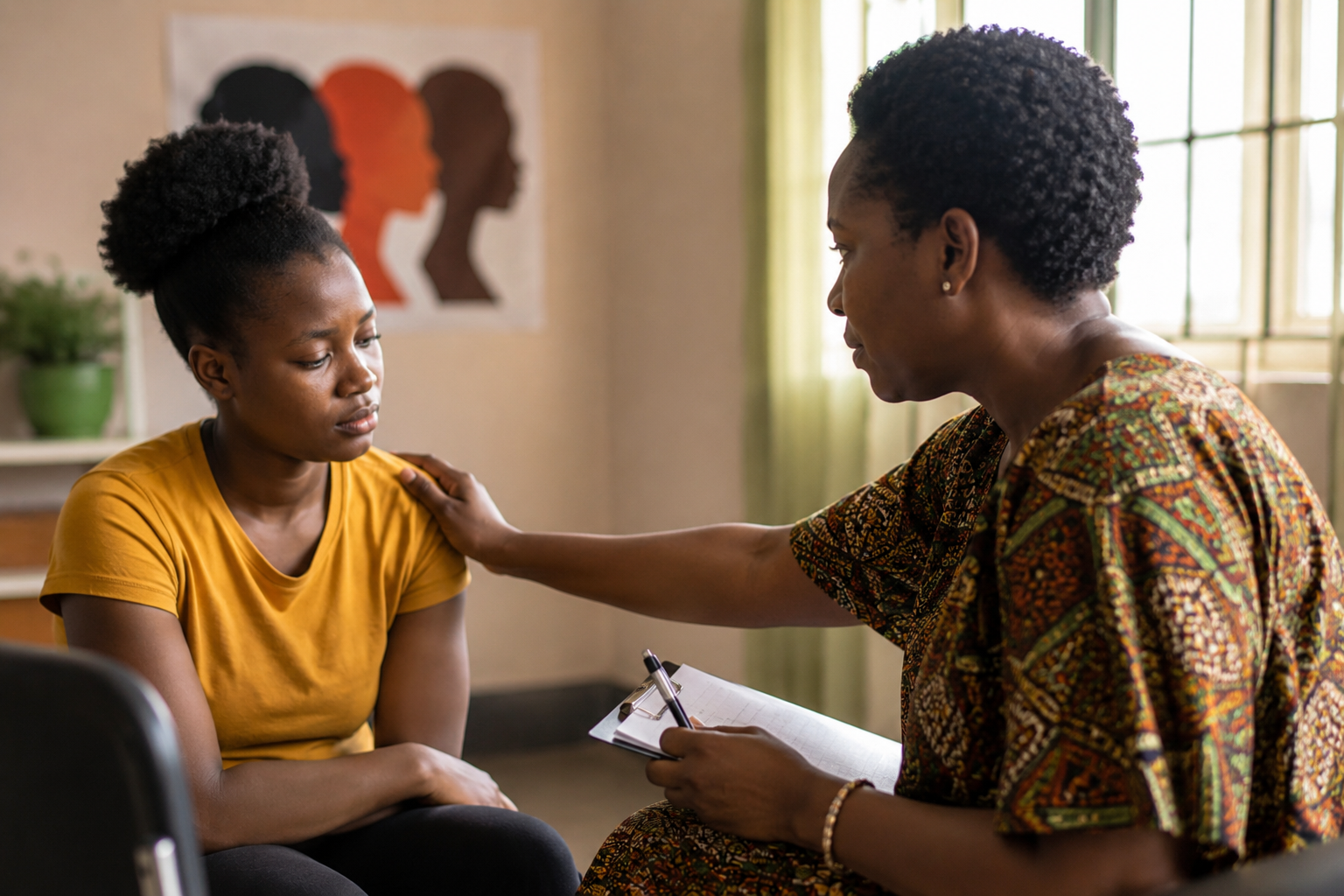
Speaking during the discussion, senior midwife Nakubulwa Regina urged parents and communities not to hide sexual and reproductive health information from teenagers, saying young people already know a lot and need proper guidance.
“At some age, they will menstruate, they can get pregnant, and they need to understand the effects and the alternatives,” Nakubulwa said.
She explained that silence and stigma often leave young people exposed to misinformation, risky decisions, and unsafe practices.
Nakubulwa also called for the revival of youth-friendly corners, noting that many of the spaces that previously helped young people access counselling and reproductive health information have deteriorated over the years.
“Young people especially need these spaces to access sexual and reproductive health information and support,” she said.
Health experts at the dialogue warned that unsafe abortions remain a major public health concern globally, contributing significantly to maternal deaths and severe complications, particularly among teenagers, women in rural communities, and the poor.
According to the experts, restrictive laws, fear, stigma, and limited access to skilled health workers continue to push many women away from safe medical care.
Nakubulwa noted that complications resulting from unsafe abortions are often severe and, in some cases, life-threatening. She stressed that safe abortion care should only be provided by trained and skilled health professionals such as doctors and nurses.
Tracy Nabbaale, a legal officer at the Women’s Probono Initiative, said restrictive legal provisions continue to create fear among health workers who may want to help women seeking care.
“The law has restrictions and elements where someone can be convicted for helping a person to abort, which limits access to safe services,” she explained.
She added that women and girls who have gone through unsafe abortions need health services, psychosocial support, love, and care instead of stigma and discrimination.
During the Science Café, HEJNU said the training aimed at equipping health and science journalists with the skills and knowledge to report on abortion-related issues accurately, sensitively, and responsibly.
Globally, nearly 50 percent of abortions are considered unsafe, contributing significantly to maternal deaths and complications, especially among teenagers, women in rural communities, and the poor.