
 Mama FM
Mama FM
Mama FM
8 June 2026, 4:23 pm
By Byamukama Alozious
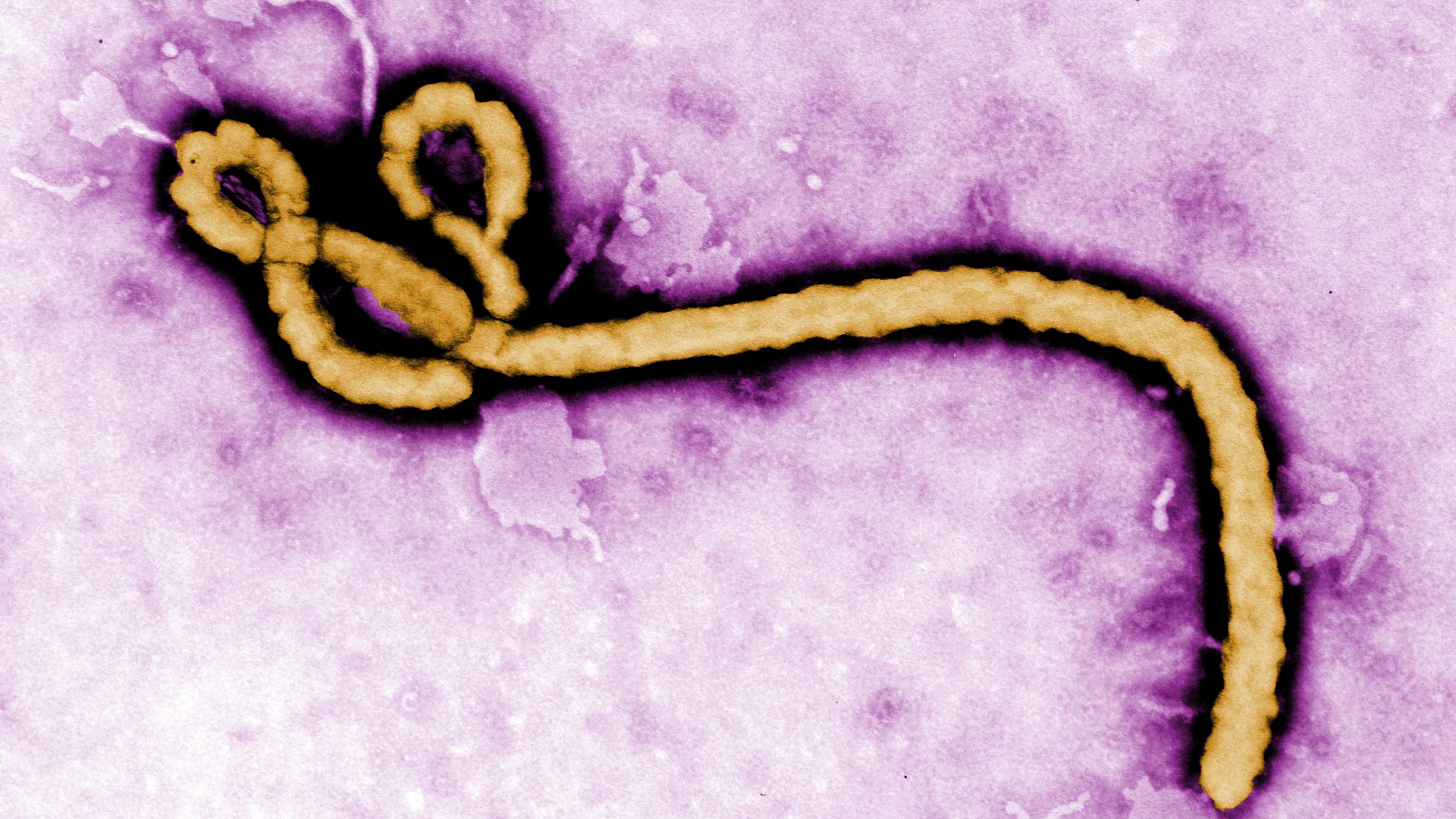
The Ministry of Health has reassured Ugandans and the international community of the country’s continued commitment and capacity to contain the ongoing outbreak of Sudan Ebola Virus Disease, emphasising that the situation remains under control despite a few confirmed cases.
During a media orientation in Kampala, the Director of Public Health at the Ministry of Health, Dr Daniel Kyabayinze, said Uganda has so far recorded 19 confirmed cases, 686 contacts under monitoring, and five recoveries, demonstrating the country’s resilience and determination in fighting the virus.
“We continue to follow up all contacts closely. Anyone showing signs and symptoms is isolated immediately, tested, and closely monitored before confirmation,” Dr Kyabayinze said.
He explained that health authorities are carrying out aggressive surveillance and contact tracing to ensure that all suspected cases are identified early and managed effectively. According to the Ministry, several of the confirmed infections were imported cases linked to neighbouring eastern Democratic Republic of Congo, where Ebola has claimed hundreds of lives.
Dr Kyabayinze noted that five of the confirmed cases are health workers, highlighting the risks frontline responders continue to face. Despite the challenges, Uganda is preparing to deploy at least 80 health workers to eastern DRC to support regional Ebola response efforts.
The Ministry also revealed that more than 780 contacts have been listed, with hundreds already followed up successfully in recent days. Authorities say this reflects the strength of Uganda’s disease surveillance systems and rapid response mechanisms.
To prevent further spread, the Government has intensified screening and monitoring at border points, while some border crossings and air routes have been temporarily restricted. Officials, however, acknowledged the challenge posed by Uganda’s over 1,200-kilometre porous western border with the DRC.
“We are strengthening roadblocks and surveillance along major routes including Arua, Pakwach, and Karuma,” Dr Kyabayinze said, adding that authorities are identifying and monitoring travellers entering the country through unofficial crossing points.
While some businesses near border areas have experienced disruptions, health officials stressed that protecting lives remains the priority.
The outbreak response has also affected major public gatherings. Authorities suspended or postponed some Martyrs Day-related activities at Namugongo Martyrs Shrine after an estimated 30,000 pilgrims from the DRC were expected to cross into Uganda for the celebrations.
Uganda’s treatment and isolation systems have also been strengthened. Ministry officials say Mulago National Isolation Facility is treating confirmed patients and monitoring suspected cases, while laboratories at border points such as Mpondwe have been reinforced with additional manpower and testing equipment.
Regional and international health bodies have praised Uganda’s swift response. Mr Tolbert Nyenswah from the Africa Centres for Disease Control and Prevention commended Uganda for its high level of preparedness and prevention efforts, noting that the Africa CDC and partners are working closely with the Government to combat the outbreak.
“We commend Uganda for the quick response and strong coordination mechanisms that have helped contain the spread,” Mr Nyenswah said.
Meanwhile, Dr Tedros Adhanom Ghebreyesus is in Uganda for the launch of the Continental Ebola Incident Management Support Team, a move expected to strengthen regional coordination and emergency response systems across Africa.
Health experts say Uganda’s experience from previous Ebola outbreaks has enabled the country to build one of the strongest outbreak response systems in the region, offering hope that the current situation can be contained through continued vigilance, regional cooperation, and public awareness.