
 Mama FM
Mama FM
Mama FM
14 July 2026, 10:56 am
By Byamukama Alozious
Civil society organisations advocating for the rights of people living with HIV have called for stronger enforcement of laws protecting people living with HIV, warning that persistent stigma, discrimination, and harmful public narratives are threatening Uganda’s progress toward ending AIDS as a public health threat by 2030.
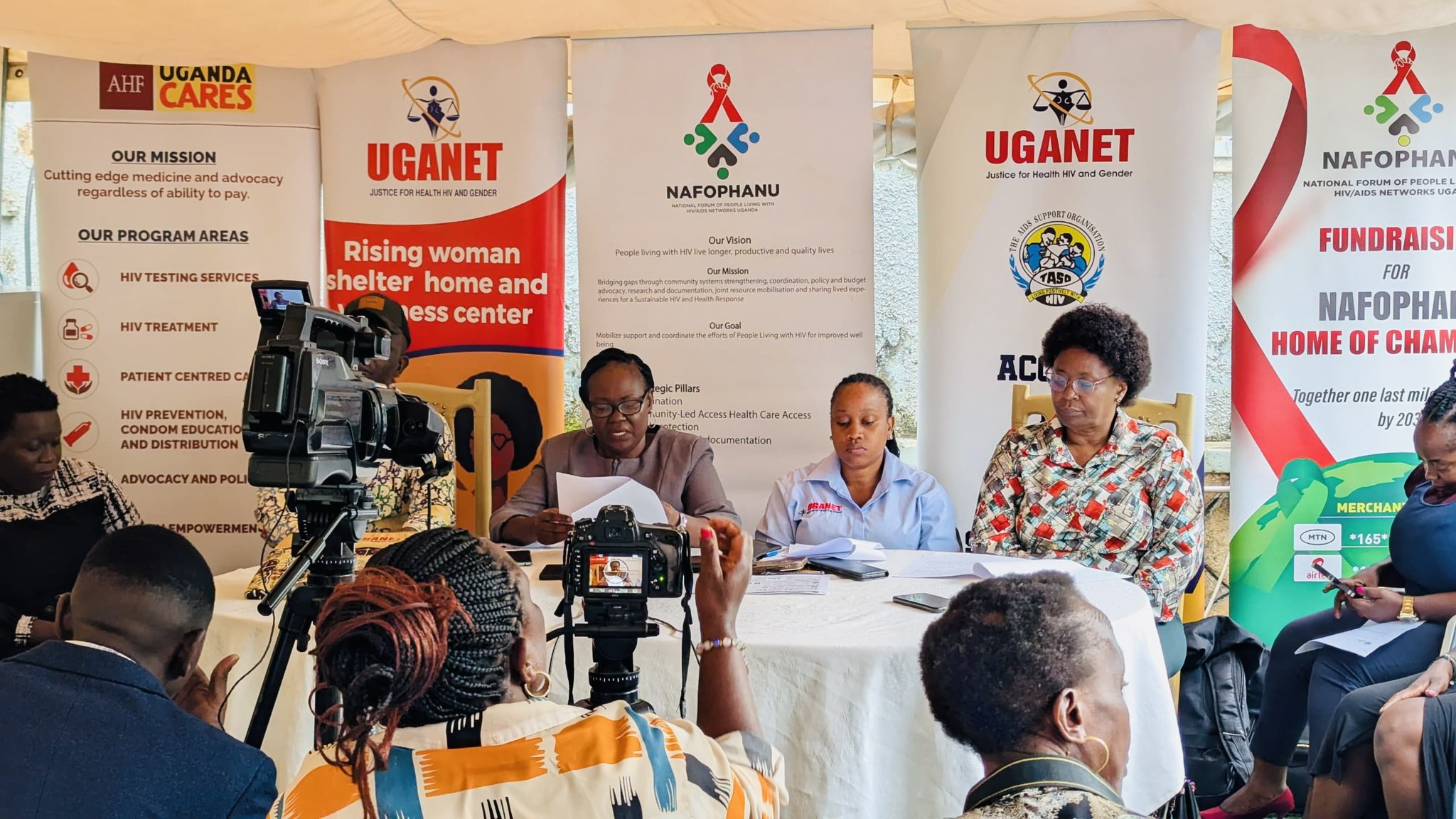
During a press briefing in Kampala, the National Forum of People Living with HIV/AIDS Networks in Uganda (NAFOPHANU) said Uganda has made significant progress through expanded access to HIV prevention, treatment, care, and social support. The organization noted that these efforts have saved thousands of lives and moved the country closer to achieving the global 95-95-95 HIV targets.
According to UNAIDS 2024 estimates, about 1.5 million people in Uganda are living with HIV. More than 92 percent of those diagnosed are receiving antiretroviral therapy, while over 90 percent of those on treatment have achieved viral suppression. The Uganda AIDS Commission also reports that new HIV infections among young people aged 18 to 24 declined by 57 percent between 2010 and 2024, reflecting continued investment in HIV prevention and treatment.
Despite these achievements, NAFOPHANU says stigma and discrimination remain major barriers to ending the HIV epidemic.
Speaking at the briefing, Grace Naiga said recent public statements by some leaders have contributed to negative perceptions about people living with HIV instead of promoting inclusion and support.
“We are here to express our dissatisfaction with the narratives we have recently heard. When such statements come from leaders, they shape public perception and reinforce stigma against people living with HIV,” Naiga said.
She said the organisation continues to receive reports of employees being denied time off to seek medical care, subjected to derogatory names, humiliated during workplace meetings, denied promotions, and having their HIV status disclosed without consent.
Naiga said although Uganda has laws and workplace policies designed to protect people living with HIV, weak implementation continues to expose many people to discrimination.
“If workplace policies are not protecting confidentiality and the rights of employees living with HIV, they should be reviewed. Where laws or their implementation continue to promote discrimination, there is a need to challenge them through litigation,” she said.
She called on employers, government institutions, and leaders to ensure that people living with HIV are treated with dignity and their rights respected in workplaces and communities.
NAFOPHANU Board Chairperson Atim Salome said discrimination against people living with HIV violates Uganda’s Constitution, labour laws, HIV legislation, and international human rights commitments.
“No person should lose employment, be denied an opportunity, face harassment, suffer involuntary disclosure of their HIV status, or experience any form of discrimination because they are living with HIV,” Atim said.
She urged employers to strengthen workplace HIV policies, protect confidentiality, and create supportive environments where employees can seek treatment and continue working without fear of discrimination.
Atim said workplaces should promote dignity, safety, productivity, inclusion, and equal opportunities rather than creating environments where workers fear revealing their HIV status or accessing healthcare services.
The organisation also cited global evidence showing that stigma remains widespread, with a median of 47 percent of people surveyed across 42 countries expressing discriminatory attitudes toward people living with HIV.
Martha Mbabazi said stigma extends beyond workplaces into schools, homes, and communities, largely due to misinformation and lack of awareness.
She said NAFOPHANU continues to document cases of forced HIV testing and discrimination against learners and workers.
“I recently handled a case involving a young girl whose guardian constantly referred to her HIV status whenever there was a disagreement. Such words leave lasting emotional scars and reinforce stigma,” Mbabazi said.
She called on employers to focus on workers’ skills, competence, and productivity rather than their HIV status, while urging government institutions to strengthen public education campaigns to address myths and misconceptions about HIV.
Meanwhile, Gloria Nawanyaga reminded the public that living with HIV is not a crime and called on Ugandans to reject prejudice and uphold the dignity of people living with HIV.
She urged communities to support an environment where everyone can access healthcare, education, employment, and other opportunities without fear of discrimination.
Laura Angel Kyakunzire challenged Uganda’s educated and influential citizens to take the lead in fighting HIV stigma rather than contributing to discrimination.
“It is unfortunate that the elites, who should be leading by example, are among those making statements that fuel stigma and discrimination. We call upon the public to remain vigilant and speak out against such acts wherever they occur,” she said.
NAFOPHANU and partners called on government, Parliament, employers, civil society, and the public to strengthen enforcement of existing laws, address policy gaps that enable discrimination, and ensure that every person living with HIV enjoys equal rights, dignity, and protection both in workplaces and society.