
 Mama FM
Mama FM
Mama FM
2 July 2026, 7:06 pm
By Alozious Byamukama
Human rights advocates are renewing calls for reforms to Uganda’s HIV and AIDS Prevention and Control Act, arguing that some provisions of the law are outdated, continue to fuel stigma and discrimination against people living with HIV, and fail to reflect advances in HIV science.
The campaigners are now pinning their hopes on the Supreme Court after appealing a Constitutional Court decision that upheld the contested provisions.
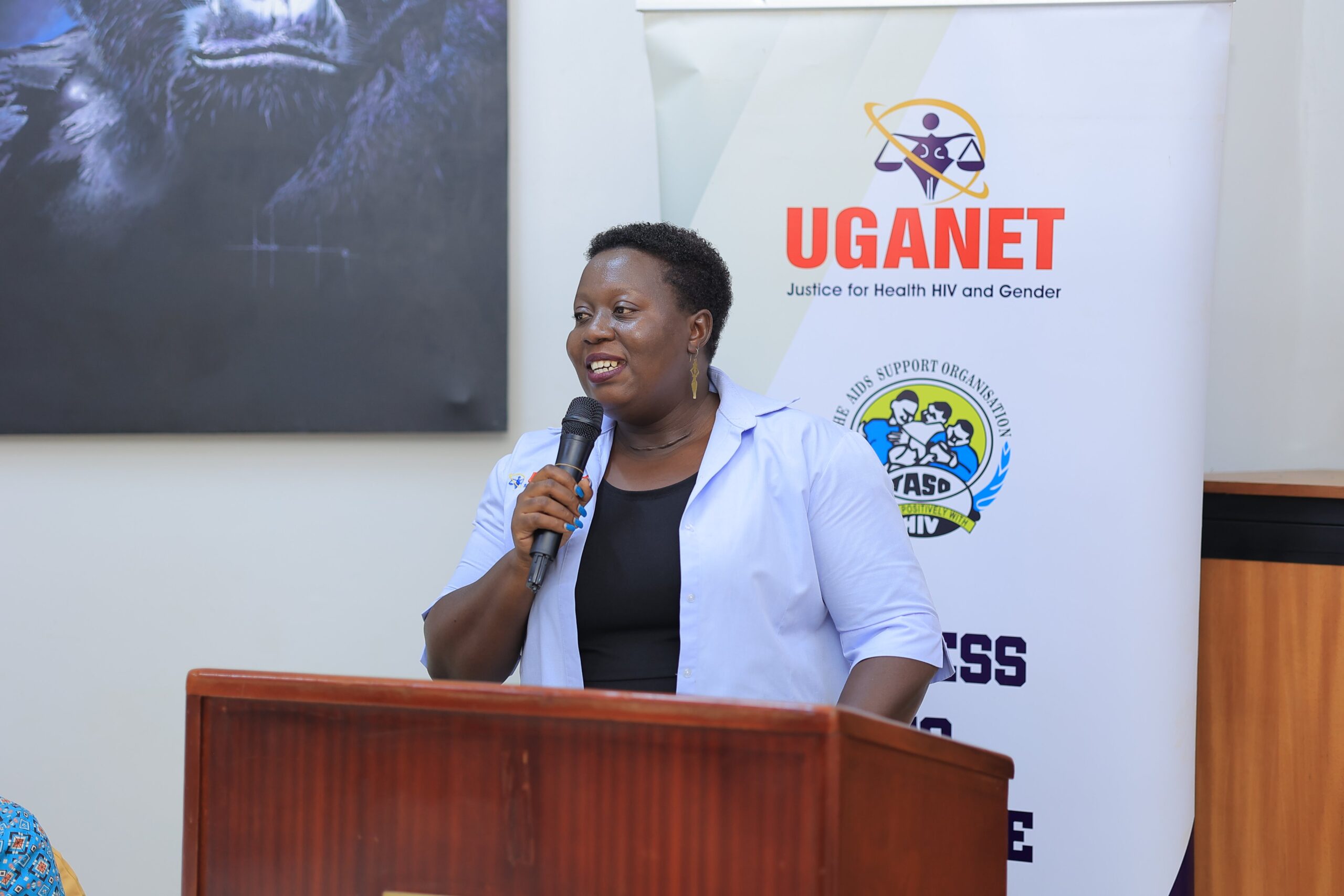
Speaking during a Community Strategy and Advocacy Meeting on HIV Criminalisation in Kampala, Grace Naiga, the Executive Director of the Uganda Network on Law, Ethics and HIV/AIDS (UGANET), said that although Uganda has made significant progress in HIV prevention and treatment, people living with HIV continue to face discrimination in their communities, workplaces, and even in health facilities.
She said UGANET continues to document cases in which individuals are publicly exposed because of their HIV status, noting that stigma has increasingly shifted to digital platforms.
“We have continued to see stigma and discrimination, and today it has changed its face. Much of it is happening on social media, where people are exposed, humiliated and reminded of their HIV status,” Naiga said.
She cited a recent complaint before the Nursing Council in which a medical worker allegedly used a WhatsApp group to disclose a colleague’s HIV status, saying such incidents demonstrate that discrimination remains widespread despite years of awareness campaigns.
More than a decade after Uganda enacted the HIV and AIDS Prevention and Control Act, human rights advocates and legal experts are calling for reforms, arguing that some provisions of the law are outdated, undermine medical confidentiality, and continue to fuel stigma against people living with HIV.
The renewed debate comes as activists prepare for a Supreme Court appeal challenging sections of the law that they say conflict with current scientific evidence and constitutional rights.
Naiga added that UGANET and its partners petitioned the Constitutional Court in 2016, presenting scientific evidence, expert affidavits and testimonies from affected communities to demonstrate that HIV science has significantly evolved and that criminalisation is no longer an effective public health response.
However, she said the Constitutional Court dismissed the petition, prompting the legal team to appeal to the Supreme Court.
Counsel Judie Byamukama of Byamukama & Co. Advocates, one of the lawyers representing the petitioners, said several provisions of the HIV and AIDS Prevention and Control Act undermine the rights of people living with HIV by allowing disclosure of confidential medical information without adequate safeguards.
He singled out Section 18(2)(e) and (h), arguing that the provisions permit health workers to disclose a person’s HIV status to individuals considered to be in “close or continuous contact” without clearly defining who falls under that category.
“The law leaves room for broad interpretation. It could include family members, workmates or many others, creating opportunities for abuse and increasing stigma against people living with HIV,” Byamukama said.
He also argued that the law does not reflect current scientific evidence, including research showing that people living with HIV who are on effective treatment and achieve viral suppression cannot sexually transmit the virus.
According to Byamukama, courts should take these scientific developments into account when interpreting offences relating to HIV exposure or transmission.
The appeal is already before the Supreme Court after the legal team filed its memorandum of appeal and supporting submissions within the deadline set by the court. Activists hope the country’s highest court will overturn the Constitutional Court ruling and strike down provisions they say violate privacy, discourage HIV testing and treatment, and perpetuate stigma.
Responding to the concerns, Dr Susan Wandera, Head of Health Systems Strengthening at the Ministry of Health, said health workers follow professional counselling and consent procedures before disclosing a client’s HIV status.
She added that disclosure involving children below the age of 18 is made to parents or legal guardians in accordance with existing health guidelines.
With the Supreme Court expected to hear the appeal in the coming months, campaigners say the outcome could have far-reaching implications for Uganda’s HIV response by determining whether the country’s laws align with modern science, protect patient confidentiality, and uphold the rights and dignity of people living with HIV.