
 Mama FM
Mama FM
Mama FM
6 August 2026, 10:31 am
By Byamukama Alozious
Non-communicable diseases (NCDs) are silently claiming thousands of lives in Uganda, accounting for 35% of all deaths, while every Ugandan has a 22% chance of dying prematurely from one of the five major NCDs, according to the Ministry of Health.
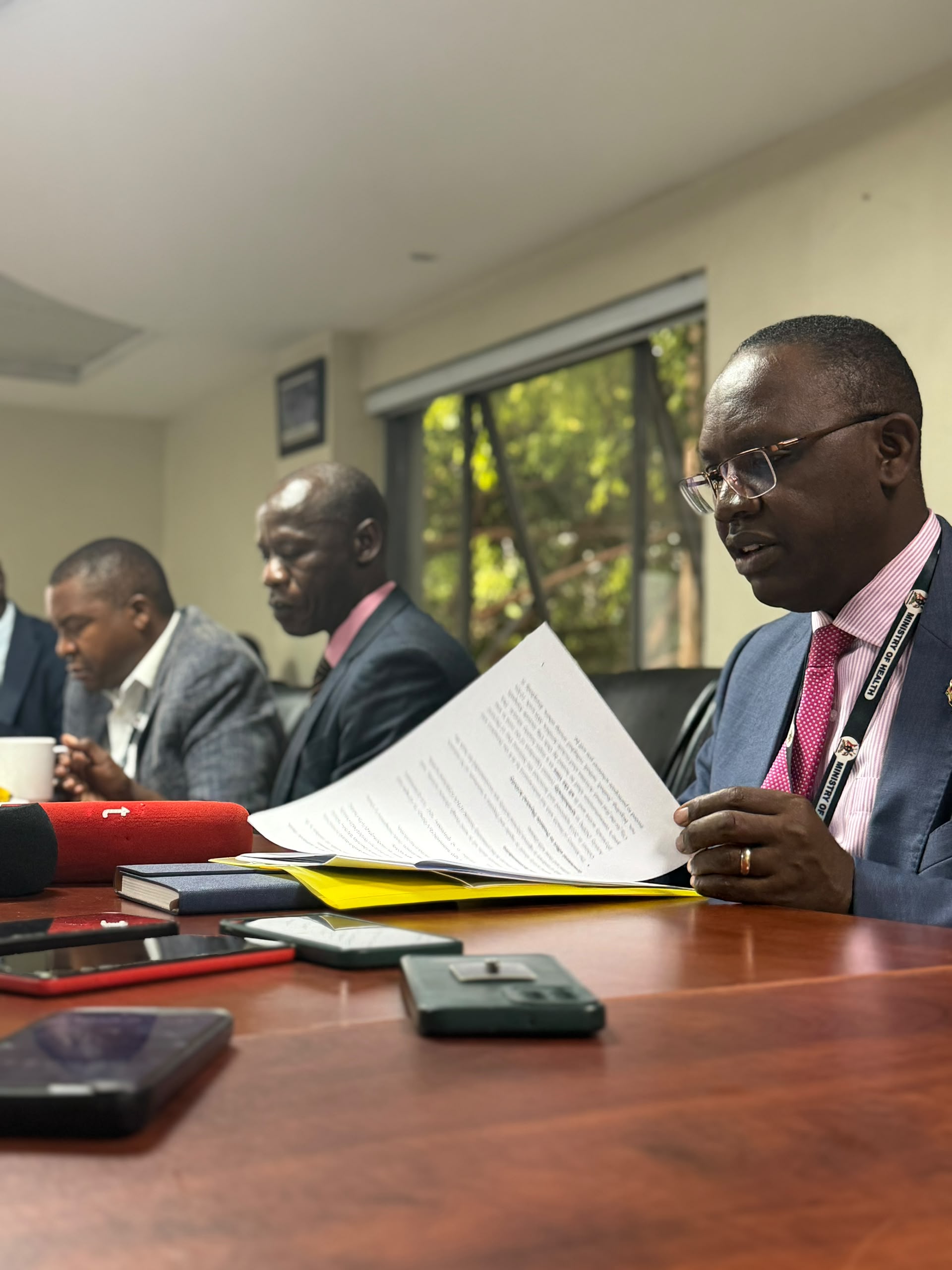
The alarming figures were revealed during a press conference in Kampala ahead of the National Day of Physical Activity, which will be commemorated on Friday, 7 August 2026, at Kaunda Grounds in Gulu City under the theme, “Get Active, Stay Healthy: Physical Activity for Healthy Wellbeing.”
Speaking at the event, Dr Daniel Kyabayinze, Director of Public Health at the Ministry of Health, urged Ugandans to embrace regular physical activity as a key measure in preventing non-communicable diseases.
He said simple daily activities such as walking, cycling, running, skipping and other forms of exercise can significantly reduce the risk of developing conditions such as hypertension, diabetes, heart disease, stroke and some cancers.
Dr Kyabayinze noted that while NCDs continue to increase, many risk factors can be prevented through healthier lifestyles. He cited findings from the 2023 Uganda National NCD Risk Factor (STEPS) Survey, which show that 23.4% of adults have high blood pressure requiring treatment, yet more than 70% are unaware they have the condition.
The survey also found that 3.3% of adults are living with diabetes, 19.3% are overweight, while 9.8% are obese. In addition, 88.9% of Ugandans do not consume enough fruits and vegetables despite the country’s agricultural potential, while average salt intake remains above the recommended level.
The Ministry also expressed concern over unhealthy behaviours contributing to NCDs. About 31.1% of Ugandans engage in harmful alcohol consumption, with around 10% living with alcohol-related disorders, while 8% use tobacco products, a habit that is increasingly common among teenagers.
Beyond lifestyle-related diseases, the Ministry highlighted the growing burden of mental health conditions and childhood illnesses. An estimated five million Ugandans are living with depression, while 1.07 million suffer from anxiety disorders, conditions linked to social and economic pressures, as well as drug, alcohol and substance abuse.
Among children, between 10% and 20% of school-going children suffer from asthma, with higher rates reported in urban areas compared to rural communities. The Ministry also noted that 13.3% of Ugandans carry the sickle cell trait, while 0.7% are living with sickle cell disease.
Cancer remains a major public health concern, with cervical, prostate and breast cancers recording the highest incidence and mortality rates. However, only 23% of women aged 30 to 49 years have ever undergone cervical cancer screening, highlighting the need for increased awareness and early detection.
The Ministry of Health said it has strengthened the national response through public awareness campaigns, screening services and the establishment of a dedicated Non-Communicable Diseases Department. Health officials are now calling on Ugandans to participate in the National Day of Physical Activity in Gulu and adopt healthier lifestyles as part of efforts to reduce the growing burden of non-communicable diseases.