
 Mama FM
4 November 2026, 8:43 pm
By Annet Nakato
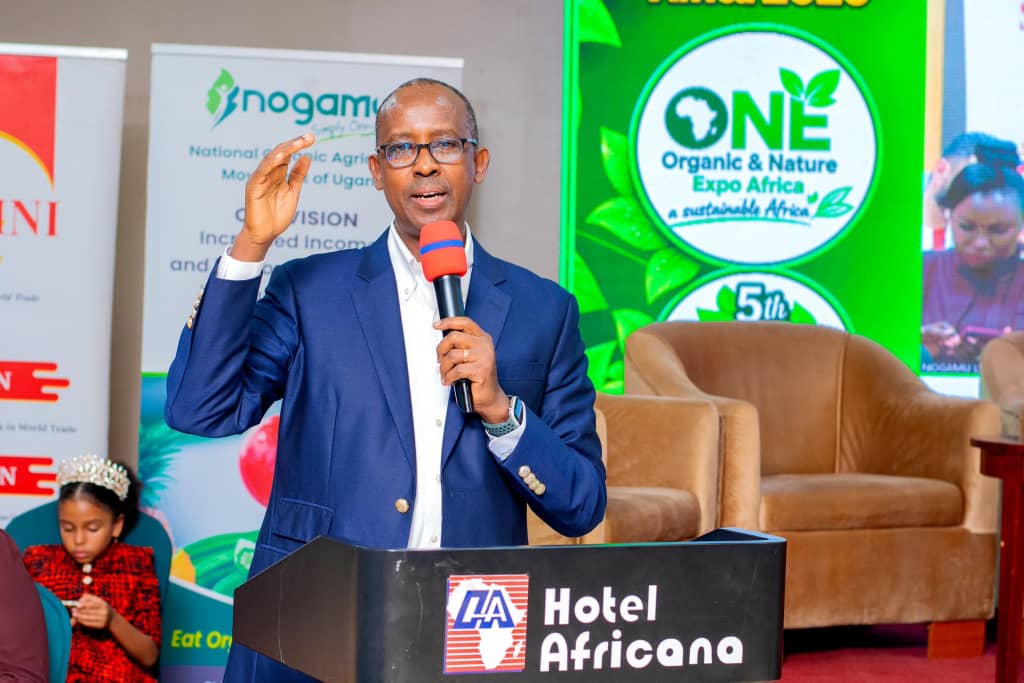
Uganda should invest in better production, processing and certification systems to benefit from the growing international demand for organic food,Presidential Advisory Committee on Exports and Industrial Development chairman Odrek Rwabwogo has said.
Rwabwogo said the increasing global focus on healthy eating presents an opportunity for Uganda and other African countries to expand their organic agriculture exports, but warned that farmers must meet the quality and documentation requirements of international markets.
He pointed to the growing global burden of diabetes, citing an estimated 830 million people living with the condition worldwide, as an indication of the increasing need for healthier food choices.
He said Uganda could position itself to serve this market by strengthening the entire organic value chain, from production and handling to processing and export.
Speaking during the launch of the 5th National Organic Week and the first Organic and Nature Expo Africa at Hotel Africana in Kampala, Rwabwago proposed the establishment of regional aggregation centres for different agricultural products.
The centres, he said, would provide facilities for storage, drying, sorting and processing while also helping farmers access training, transport arrangements and reliable markets.
He cited an initiative at Entebbe Free Zones, where fruit and vegetable consignments are aggregated for export to markets in Europe and the Middle East, as an example of how organised supply systems can support international trade.
Rwabwago also raised concern over Ugandan food consignments reportedly intercepted in international markets because of documentation errors.
He said farmers, middlemen and exporters need better guidance on traceability and the specific requirements of destination markets.
He urged stakeholders to treat organic agriculture not only as an environmental intervention but also as a commercial opportunity that can improve farmers’ incomes and strengthen Uganda’s export earnings.
Agriculture Minister Frank Tumwebaze said the transition to organic farming requires more than regulations, calling for stronger agricultural extension services and public education.
He said farmers need information, delivered in simple and local languages, to understand the differences between organic and conventional farming, as well as the benefits and requirements of organic production.
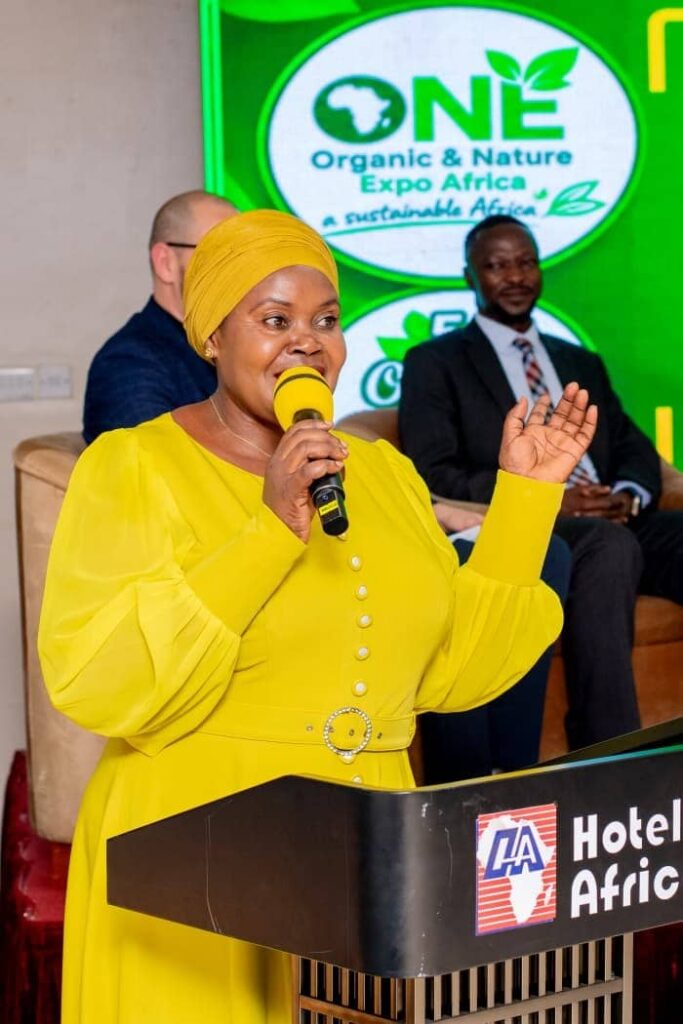
The Third Deputy Prime Minister and Minister without Portfolio, Rt. Hon. Lukia Isanga Nakadama, who officially launched the expo, reaffirmed the government’s commitment to promoting organic agriculture.
She said Uganda’s National Organic Agriculture Policy, adopted in 2019, provides a framework for developing the sector. Government is also undertaking consultations for a Regulatory Impact Assessment, with validation expected later in November 2026.
Nakadama called for stronger implementation and investment to align organic, regenerative and agroecological farming with national development priorities, including the Fourth National Development Plan and the Parish Development Model.
Samuel Ndugu, Programme Director at the Kenya Organic Agriculture Network, highlighted the importance of certification in building consumer confidence.
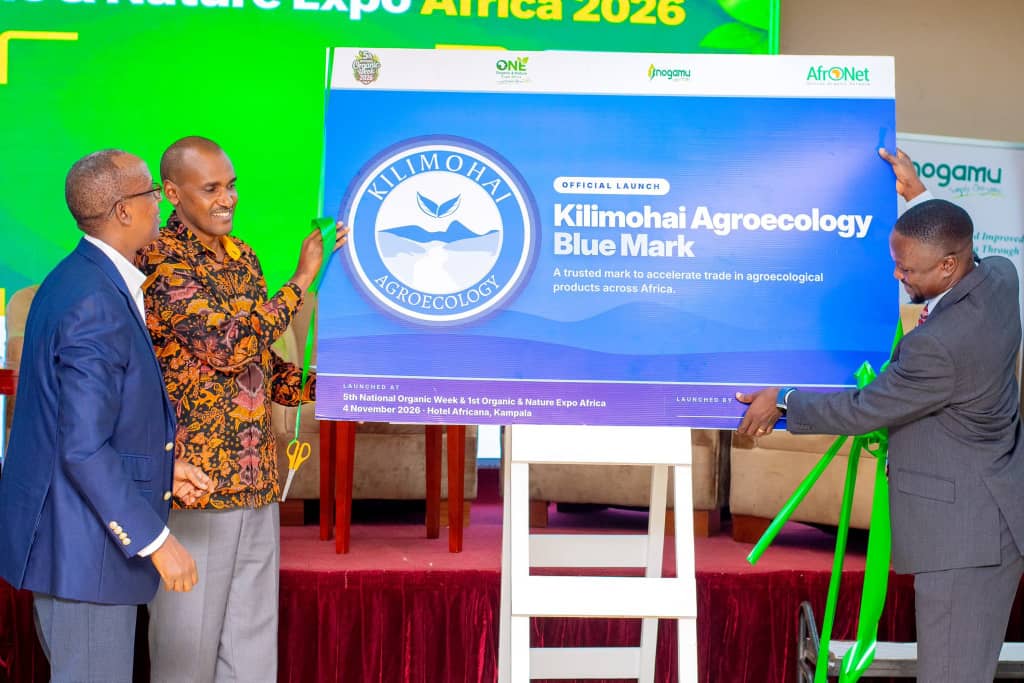
He cited Kenya’s Kilimo Hai organic mark and blue agroecology mark as initiatives that help consumers identify products that meet recognised standards.
The event was organised by the National Organic Agricultural Movement of Uganda (NOGAMU) in collaboration with the Ministry of Agriculture, Animal Industry and Fisheries and development partners.