
 Mama FM
Mama FM
Mama FM
17 October 2026, 9:14 am
Byamukama Alozious
Young people in Uganda have called for affordable nutritious food and healthier school environments, warning that high food prices and the promotion of fast foods could undermine efforts to improve nutrition and prevent diet-related diseases.
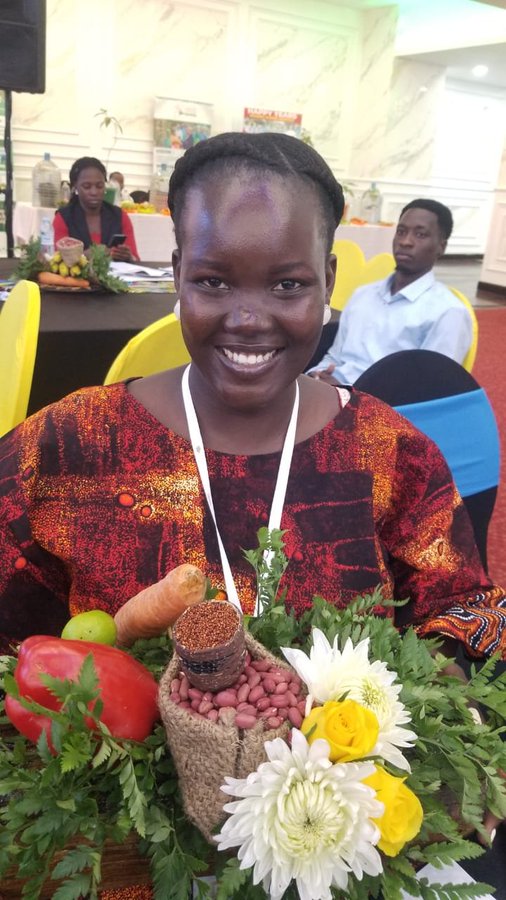
The call was made during the 2nd National High-Level Youth Dialogue on Nutrition, Food Systems and Climate Resilience, held under the theme “Innovate Today, Nourish Tomorrow.”
Participants said that although nutritious foods are available in Uganda, their cost makes them difficult for many young people and households to afford. They called for greater investment in sustainable food systems and youth-led innovations to make healthy diets more accessible.
Youth advocate Mukisa Emmanuela Brenda called for a ban on fast foods in schools, arguing that learning institutions have become targets for fast-food marketing. She said healthier school food environments are important in encouraging good eating habits and preventing non-communicable diseases (NCDs).
The concerns highlight the challenges facing young people who must make food choices in an environment where affordability, availability and marketing influence what they eat.
Bernard Ssembatya, Country Director of SUNFOYAC-CSN Uganda, the organisation convening the dialogue, said nutrition, food security, health and climate resilience are interconnected and must be considered together in national development.
SUNFOYAC-CSN, which stands for Scaling Up Nutrition and Food Security for Youth, Adolescents and Children Civil Society Network, is a national youth-focused advocacy network working to fight malnutrition, strengthen climate-resilient food systems and amplify young people’s voices in health and nutrition policy.

Phoebe Kasoga, Country Director of Plan International Uganda, emphasised the importance of nutrition during the first 1,000 days of life, from conception to a child’s second birthday, noting that adequate nutrition during this period supports growth and cognitive development.
She urged young people to become nutrition advocates in their homes and communities, challenging practices that leave children with less nutritious food while adults receive the better portions. She also encouraged them to explore innovative food-production methods, including hydroponics, vertical gardening and kitchen gardens, to improve access to nutritious foods.
Kasoga’s remarks highlighted the importance of investing in children’s nutrition early in life, when poor diets can have lasting effects on development and future opportunities.
Meanwhile, Jeannette Wijnants, Country Director of Welthungerhilfe (WHH) Uganda, emphasised intergenerational knowledge sharing as an important way to strengthen food systems, improve nutrition and build climate-resilient communities.
She highlighted the need to combine traditional knowledge with innovation to develop sustainable food systems that can nourish present and future generations.
The discussion comes amid growing concerns about the effects of climate-related shocks on agriculture, livelihoods and food security. Changing rainfall patterns, droughts and floods can disrupt food production and household incomes, potentially making nutritious diets even less affordable for vulnerable families.
Participants called for greater investment in youth-led innovations and sustainable food systems, arguing that improving nutrition requires more than ensuring food is available. Nutritious foods must also be affordable and accessible, while young people need opportunities to contribute to solutions affecting their health and future.
The dialogue places young people at the centre of efforts to improve Uganda’s food systems, with calls for stronger collaboration among families, schools, farmers, policymakers and development partners.