
 Mama FM
Mama FM
Mama FM
20 August 2026, 5:10 pm
By Byamukama Alozious
The Parliamentary Committee on HIV/AIDS and Related Matters has raised concern over high HIV prevalence in some parts of Uganda, warning that the trend could hinder the country’s ambition to end AIDS as a public health threat by 2030.
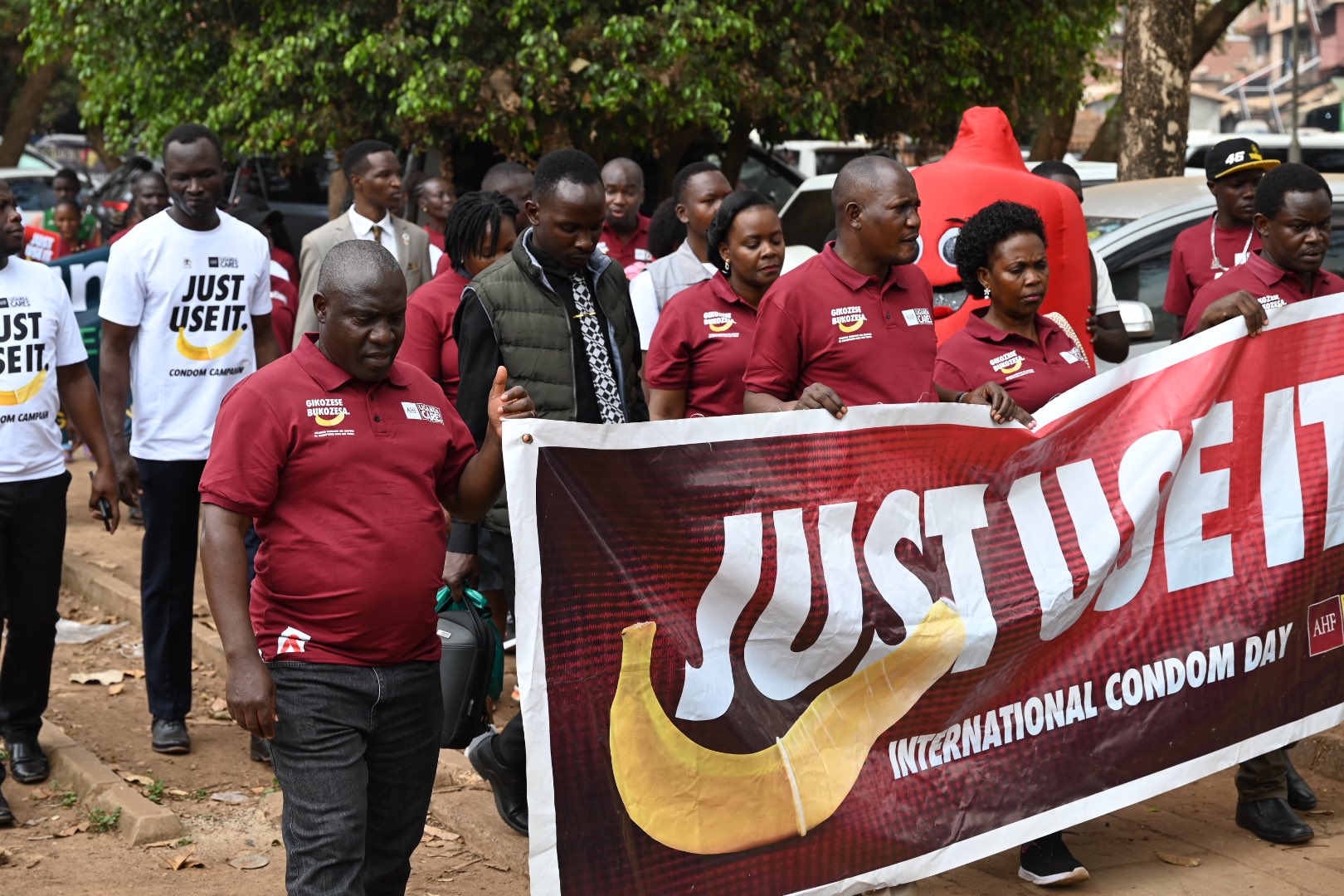
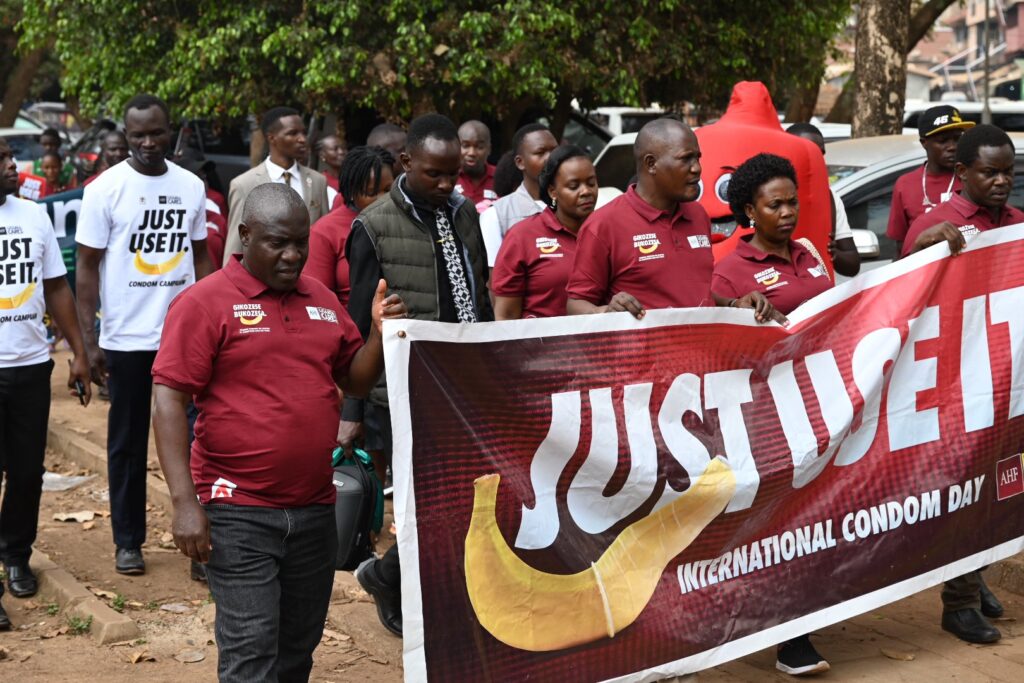
The concern was raised by Hon Stephen Kisa Bakubalwayo, Chairperson of the Parliamentary Committee on HIV/AIDS and Related Matters and current MP for Luuka County South, during the launch of the “Protect Your Future: Condoms Work” campaign by AIDS Healthcare Foundation (AHF) Uganda Cares in Kampala.
Kisa said although Uganda had made significant progress in reducing national HIV prevalence from double to single digits, some areas continue to record worrying levels of infection.
He cited Fort Portal City, where he said HIV prevalence is about 16.7 per cent, Soroti City at more than 12 per cent and Lira City at more than 11 per cent, while also pointing to Kalangala, Masaka and Mbarara as areas requiring greater attention.
“Moving from double to single is a very great achievement,” Kisa said, but warned that the country cannot celebrate its gains while some communities continue to experience high HIV prevalence.
He said the situation could undermine Uganda’s vision of ending AIDS as a public health threat by 2030 unless prevention efforts are intensified in areas where the epidemic remains severe.
Kisa also called for greater involvement of men in HIV prevention, arguing that the responsibility for protecting families from HIV should not be left to women.
“Men have a critical role in HIV prevention,” he said, urging men to take responsibility for their health and that of their partners and families.
He further called for stronger engagement of young people, parents, cultural leaders and other community actors to ensure that accurate HIV prevention information reaches those who need it.
Kisa also raised concern over reports that the long-acting injectable HIV prevention medicine lenacapavir, intended for priority populations, was allegedly being sold instead of reaching the people for whom it was provided.
The allegation requires further verification and a response from the responsible health authorities.
The concerns come as Uganda continues to record new HIV infections despite decades of progress in treatment and prevention.
Figures presented during the campaign indicated that Uganda recorded an estimated 37,000 new HIV infections compared with 17,000 AIDS-related deaths, a gap that campaign organisers said demonstrates that the country has not yet achieved HIV epidemic control.
Henry Magala, Country Programme Director of AHF Uganda Cares, said Uganda must renew the prevention approaches that helped reduce HIV prevalence in the past.
He said Uganda’s earlier progress was driven by combination prevention, including behaviour change, condom use, HIV testing, voluntary medical male circumcision, PrEP and treatment as prevention.
Magala said prevention remains one of the most cost-effective investments in the HIV response, citing evidence that every US$1 invested in prevention can save up to US$7 in long-term treatment and care costs.
He also cited an impact study suggesting that a 10 per cent increase in condom use could avert about 61,000 new HIV infections.
Despite the benefits of condoms, Magala said their use remains low, particularly among some groups of young people.
The campaign cited figures showing condom use at about 58 per cent among men aged 15–49 and 37 per cent among women in the same age group, with barriers including stigma, myths, misconceptions, fear of mistrust between partners and low perception of HIV risk.
Magala said the campaign would therefore focus on more than distributing condoms, including addressing misinformation and ensuring that people have the knowledge and confidence to use them correctly and consistently.
“Condoms remain one of the most effective, affordable and evidence-based interventions against HIV and other sexually transmitted infections,” he said.
Boniface Epoku, the Ministry of Health’s condom focal person, said the government is also working to improve the quality and acceptability of condoms and exploring different options, including flavoured condoms, to encourage uptake.
He said the financial burden of HIV treatment also reinforces the need to prevent new infections before they occur.
The campaign comes amid concerns over reductions in donor funding for HIV programmes, with stakeholders calling for increased domestic investment to protect prevention services and commodities.
For the parliamentary committee, the persistence of high HIV rates in particular regions is a warning that Uganda must not become complacent about the gains it has made.
The call is for prevention to remain at the centre of the national response, with targeted interventions in high-burden areas, meaningful involvement of communities and young people, stronger participation by men, and access to accurate information and prevention commodities without stigma or discrimination.
Uganda’s progress against HIV remains significant, but the continued burden in some communities means that achieving the 2030 goal will require the country to close the gaps that are still leaving people behind.