
 Mama FM
13 November 2026, 7:42 pm
By Byamukama Alozious
Layet Janet’s life began in circumstances no child should have to endure. Born in the bush during Uganda’s armed conflict, after her mother was abducted by rebels of the Lord’s Resistance Army (LRA), led by Joseph Kony, her arrival into the world became a source of rejection, family conflict and suffering that would follow her through childhood.
Her mother had only recently married when she was abducted by the LRA. She became pregnant while in captivity and remained in the bush until she went into labour. According to Janet, government soldiers found her mother as she struggled to give birth and helped her deliver. They later took the mother and newborn child back home.
But returning home did not mean returning to safety.
Her mother’s husband’s family did not welcome the baby. Janet says her grandmother, her father’s mother, questioned how the family could raise a child born in the bush, whose blood they did not know. The rejection placed enormous pressure on her mother and contributed to the breakdown of her marriage.
Her mother tried to remain in the marriage, but she had few options. Her own mother was unmarried, and she had no other family home to return to. The situation became even more painful when Janet fell sick at about three months old and was taken to hospital.
Janet says her mother later told her that family members deliberately pressured her to accept that the baby would not survive. As the pressure intensified, her mother left the hospital. Janet was critically ill, but a nurse refused to give up on her.
According to Janet’s account of what her mother told her, the nurse asked for the baby’s blood to be tested against her own. It was compatible. The nurse donated blood, helping save Janet’s life. She also supported the mother and child with necessities.
Yet the rejection continued. Her mother eventually felt she could no longer manage the situation and left Janet behind. The little girl first stayed with her paternal grandmother before being taken back to her mother. When she was about three years old, the man her mother had married, whom Janet came to regard as her father, sent for her. She was taken back to live with him.
At about five, her father married another woman. Later, when he got a job at Kakira Sugar Factory in Jinja, he took Janet with him so she could attend school. She studied from Primary One to Primary Six. But the home that was supposed to give her stability became another place of hardship.
Her stepmother expected her to do extensive domestic work, even when she was still in the early years of primary school. Janet recalls waking up early to clean the house, wash dishes and prepare breakfast before going to class. During lunch breaks, she would return home to cook and wash the plates before rushing back to school.
She was often the last pupil to enter class.
The situation became worse when her stepmother began interpreting her interactions with boys as misconduct. She would report Janet to her father, who became angry. Janet recalls one incident when her father beat her so severely that a neighbour had to intervene and rescue her.
Her stepmother later took away her school uniform and books and gave them to a cousin, telling her she would not return to school. Janet was devastated. She felt she no longer had a home and decided to run away in search of the mother she barely remembered.
She did not know what her mother looked like. She could not remember her face or even her name. The only name she remembered was “Atoho”, the name her mother used to call her. Janet believed it was her mother’s name.
She began moving around Pader Town, calling out the name as she searched for her mother. Along the way, she found a woman looking for someone to work in her restaurant and started working there.
One day, while visiting the home of a young man who had been persistently approaching her, Janet met a woman seated outside. The woman asked her name, where she came from and the name of her grandfather. When Janet answered, the woman broke down in tears.
“My daughter, welcome back home,” the woman told her.
She was Janet’s maternal aunt. After years of separation, Janet had found a member of her mother’s family. Her aunt’s son helped her with transport money and money to buy sugar for her mother. The family took her to her uncle’s home and contacted her mother, who came crying. Janet also cried. They were finally reunited.
Her mother later introduced her to an aunt living in Kampala, who promised to take her in and help her continue her education. Janet was excited. She believed that, after everything she had experienced, she was finally going to get another chance at school.
But that promise did not materialise.
When she arrived in Kampala, the aunt instead made her a housemaid. The household’s domestic worker was sent away, leaving Janet to care for the children and manage the house. When school resumed, the aunt took her own children to school while Janet remained at home. One year passed without her returning to class.
Janet asked to go back to her mother, but her aunt said she had no transport money. When Janet proposed finding work to raise the fare, her aunt refused to allow her to work and return home.
Feeling trapped, Janet secretly found work as a domestic worker in an Indian household, earning Shs70,000. She worked for two weeks before her aunt discovered what she was doing and decided to take her back to the village.
The employers offered to keep her and gave her the full salary she had earned. But her aunt took her away. During the journey, Janet says, her aunt bought herself drinks and snacks but did not buy her even water. A fellow passenger eventually noticed that she had nothing to eat and bought her cassava and a drink.
As they approached home, her aunt told her to get off the bus and promised to bring her belongings the following day. She never returned with them.
Janet arrived with only the clothes she was wearing. Her mother had been told that she was doing well in Kampala and had become healthy, but she was shocked to see how thin her daughter was and that she had just one set of clothes.
Janet stayed with her mother for about a month, waiting for the aunt to bring her belongings. When that did not happen, she decided to return to domestic work. Her mother wanted her to stay, but Janet feared becoming another burden. She says her mother was struggling in her marriage and had little support.
She returned to the Indian household and worked for about eight months. The hours were exhausting: she could sleep at around 2am and wake up at 5am to continue working. She also describes feeling humiliated by the way she was treated. On one occasion, while cleaning a dining table, she briefly looked at a film playing on the television. Her employer pushed her and questioned why she was watching.
Janet felt she had reached her limit and said she was leaving.
She also recounts a disturbing experience that followed. She had a dream in which a woman lay on her and challenged her to demonstrate the power of her God. Janet says she struggled to move or pray but eventually called on the name of Jesus and woke up standing and praying.
The following day, she felt disoriented and could not remember the date or understand what was happening around her. She went to church, thinking it was Friday and that she was attending Bible study, only to find a large congregation. A friend noticed that she was not herself and called her godmother, who held her hand and prayed with her. Janet says that the following day she began to feel like herself again.
But leaving the domestic job meant losing the only place where she had accommodation. She could not return to her aunt’s home, and she had nowhere else to go.
For three weeks, Janet slept on the streets of Kampala.
During the first week, she often stayed awake through the night because she feared being raped or attacked if she slept in public. She moved around Kisugu, sometimes sitting on people’s verandas and balconies and running away whenever residents came outside. During the day, she searched for food and work. She says she had some money left and was able to buy food rather than eat from rubbish.
After about a week, she found work at a restaurant in Namuwongo market. She worked for roughly three weeks, hoping to save enough to rent a room. But the money was not enough. She earned Shs90,000, while rent alone cost Shs70,000. She also had to eat and support her mother.
A friend called Stella allowed her to stay for a week as she waited for her salary. Janet eventually rented a small room, but the restaurant earnings could not sustain her. She returned to domestic work because employers provided food and accommodation.
She worked for another household for six months before a neighbour connected her to another employer, a woman Janet describes as a public figure. The employer had a two-week-old baby when Janet started working there. Janet says she cared for the baby for several months and became very attached to the child.
However, the relationship with her employer later deteriorated after Janet attended the wedding of a young woman she regarded as a sister. The employer had not wanted her to go. Janet stayed overnight at the wedding and returned the following morning to an uncomfortable home environment. She says the employer stopped speaking to her, and she eventually left.
Once again, she had nowhere to go. She returned to Stella as she searched for another job.
With rent and survival becoming increasingly difficult, Janet began to think marriage might offer the stability she could not afford on her own. She entered a relationship and started living with a man, hoping that she would finally have a place to call home. But the relationship did not work, and they separated.
After years of domestic work, unstable housing, family rejection and repeated disappointments, Janet reached a point where she made a decision about her future. “I’ve worked as a maid enough,” she recalls telling God.
But her story did not end with the streets or the failed relationships. Janet says she later found a family that welcomed her and invited her to join them because of the Christian values and godly behaviour they had observed in her. She speaks of this family with deep appreciation and describes them as her adopted family. They gave her something she had spent much of her childhood searching for: a place where she could belong and be received as a daughter.
She now has a daddy and a mother she knows and recognises as her parents. Their home remains a place she can call home, and she credits them for continuing to stand by her. After years of being rejected and moved from one household to another, Janet says this family has given her a different experience of what it means to be loved and accepted.
Her faith has also remained central to her life. She describes church as her second home, after her adopted family’s home. It is a place of belonging and spiritual support, and a community she continues to praise for standing with her.
The meaning of her own name is another part of the story she wants people to understand. Janet explains that “Layet” means “the cause of the abuse”. It is the name her mother gave her in the painful circumstances surrounding her birth and the rejection her mother experienced after returning from captivity. Janet wants to build a life that allows her mother to move beyond that painful association and see her not as the cause of suffering, but as a daughter whose life can bring hope, dignity and pride.
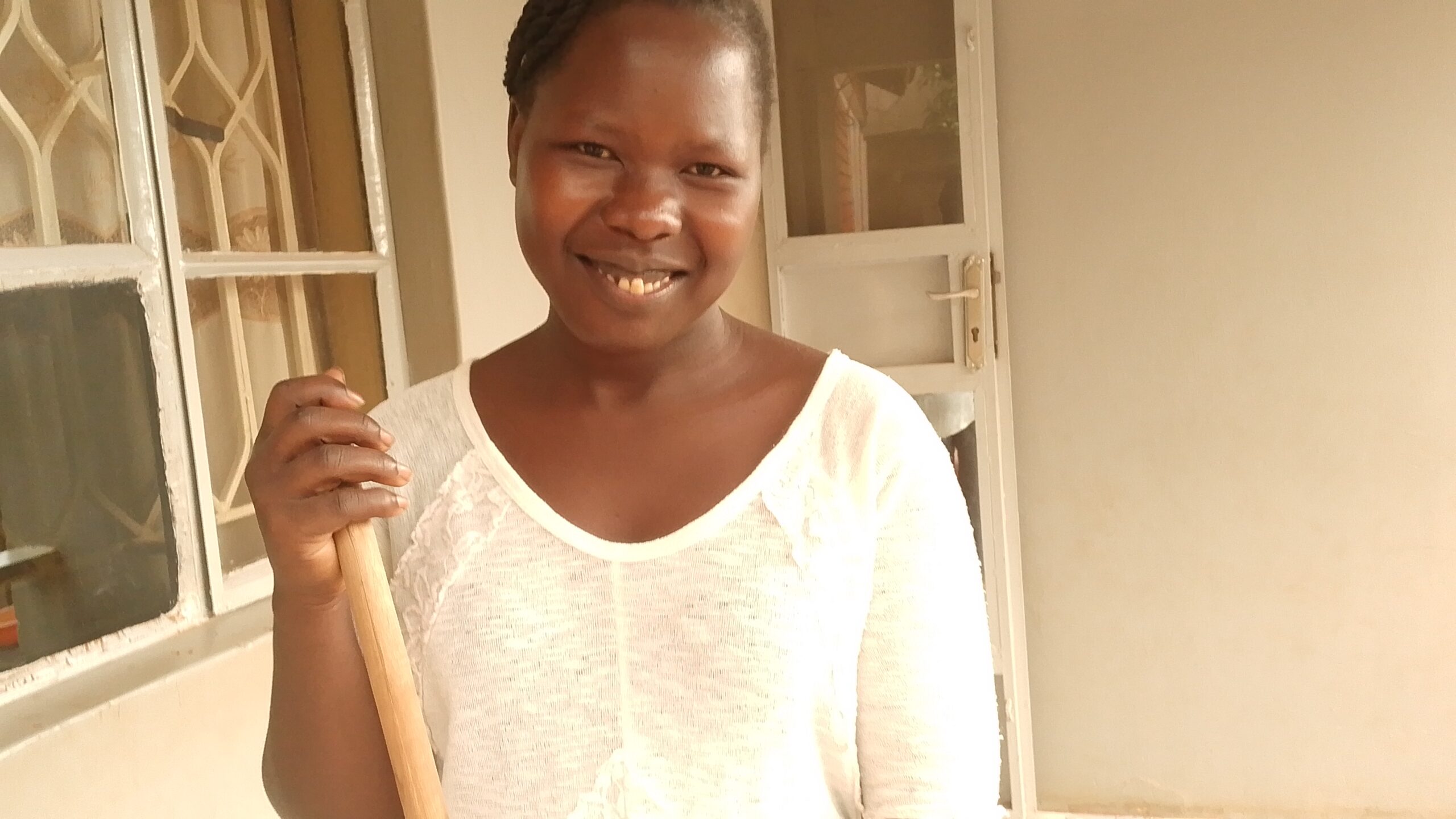
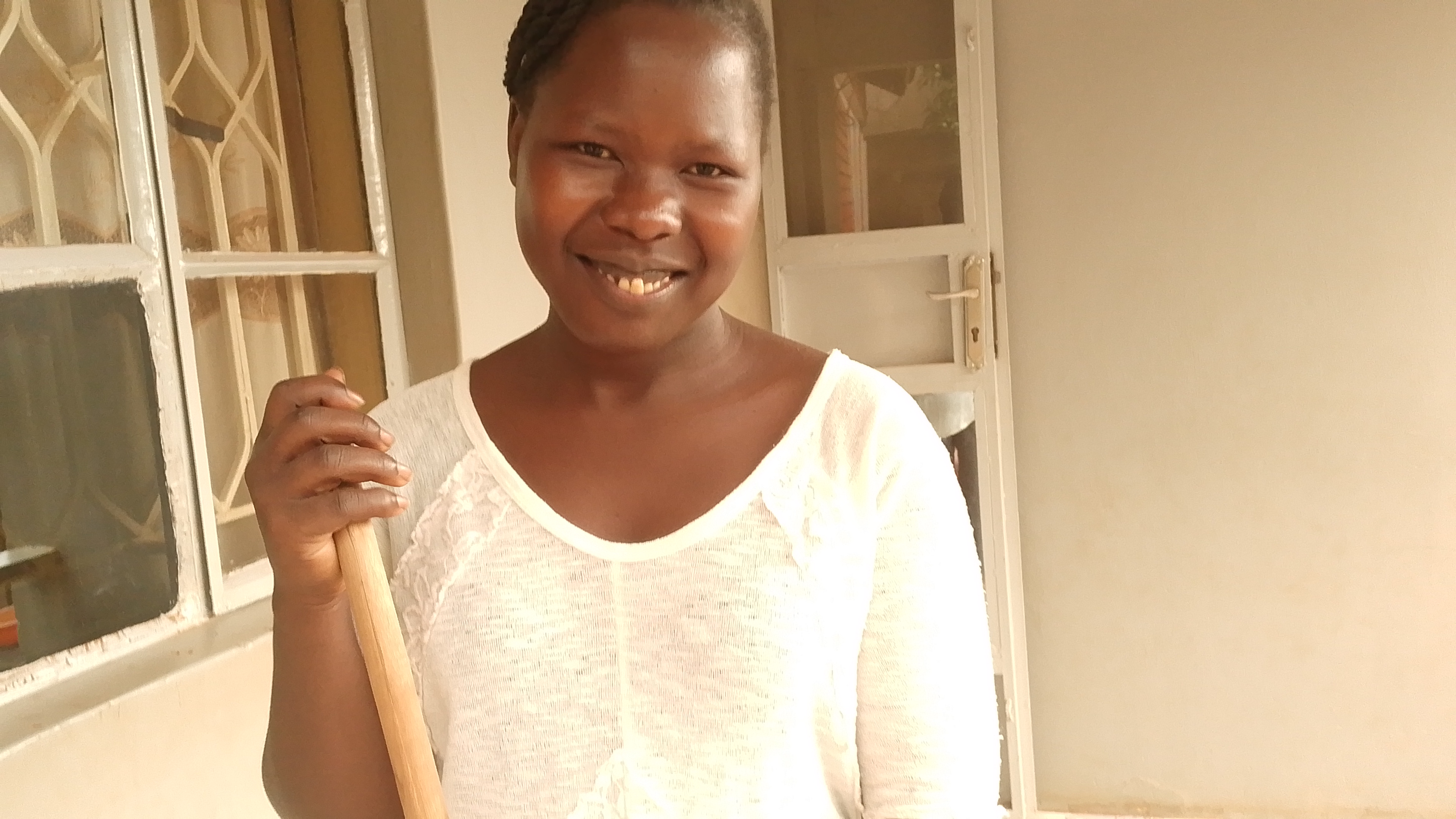
Today, Janet says she makes avocado oil, which people buy, and runs a cleaning business. Clients call her to clean homes and even roofs, using a machine for the work. She says she can now support herself and stand on her own.
She has chosen to tell her story because she knows that many people are struggling silently after painful experiences. Some feel that their lives have ended, while others are dealing with mental and emotional distress because of what they have endured.
“I feel I should not keep quiet with the story. There are very many people who are struggling out there and they think the world has ended,” she says. “I’m telling this story to encourage them that from whatever you are going through, you can still do something. Right now I am able to make avocado oil and people buy from me. My cleaning business is still there. People call me to clean, even their roofs, and I go with my machine.”
Janet’s journey raises questions about the protection and support available to children who experience family rejection, violence, interrupted education and exploitation in domestic work. A child should not have to move from one household to another in search of safety, or exchange education for domestic labour. Girls who leave school because of abuse need pathways back into education, while children and young people without safe family support need accessible protection, shelter and social services.
Employers of domestic workers also have a responsibility to respect their dignity, provide safe working conditions and ensure that young workers are not exploited. Families and communities must take reports of violence against children seriously and intervene before abuse pushes them onto the streets.
For Janet, finding a home was about more than having a roof over her head. It meant finding people who accepted her, a family she could call her own and a church community where she could continue to grow in faith. The adopted family she praises and the church she calls her second home have become important parts of the life she has rebuilt.
She has not erased the pain of her past, but she is determined that it will not define her future. Through her faith, her businesses and the family that continues to stand with her, Janet is building a life that tells a different story from the one with which she was born. And by sharing her experiences, she hopes that someone who feels abandoned or defeated will find a reason not to give up.