
 Mama FM
23 October 2026, 10:36 am
By Byamukama Alozious
Uganda is considering stronger legal backing, dedicated funding and improved waste collection systems to sustain its monthly National Cleaning Days, following lessons from the initiative’s first three exercises.
At a reflection meeting held in Kampala on Thursday, 22 October, government officials, security agencies, private sector representatives and other stakeholders called for greater community participation, improved coordination and investment in waste collection and disposal to make the campaign sustainable.
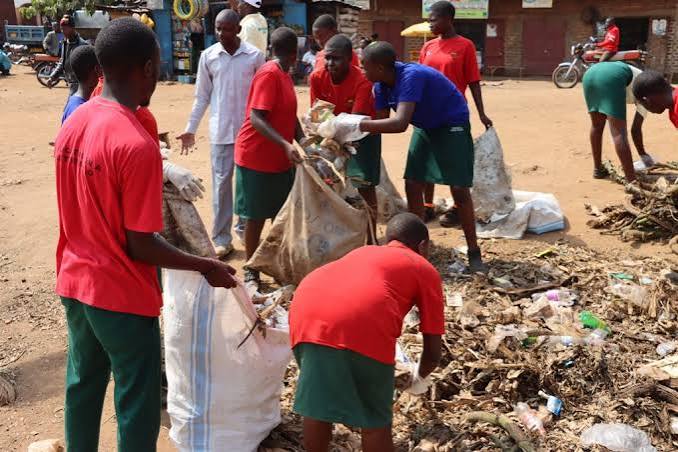
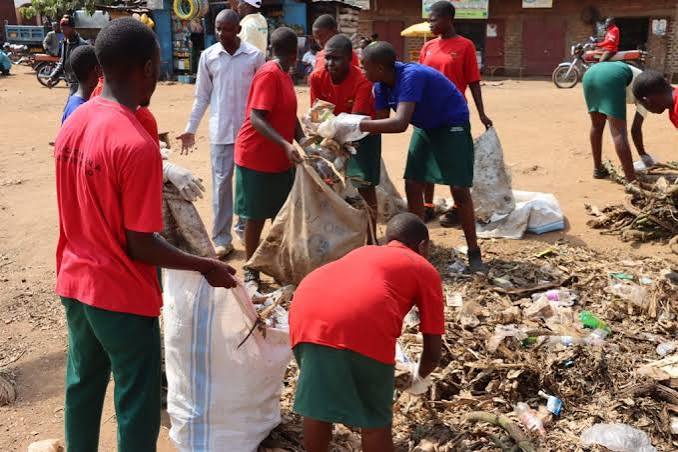
The National Cleaning Days, observed on the last Saturday of every month, are intended to promote a culture of cleanliness, improve environmental sanitation and encourage responsible solid waste management. The first three exercises took place on 25 July, 29 August and 27 September 2026, with activities reported in Kampala, Wakiso and Hoima City.
Although the exercises have raised public awareness of sanitation and strengthened collaboration among institutions, officials acknowledged that inadequate equipment, limited funding, weak mobilisation and gaps in monitoring continue to undermine implementation.
Dr Herbert Nabasa, Commissioner for Environment at the Ministry of Health, said the initiative would not achieve lasting results if people continued to regard cleaning as a government responsibility rather than a shared duty.
He urged Ugandans to participate willingly and make cleanliness part of their everyday lives instead of waiting for the designated cleaning day to remove waste from their surroundings.
“Society has to adopt it, integrate it into its work, and we must make people embrace it,” Nabasa said, emphasising that lasting change requires a shift in public attitudes and behaviour.
He also called for a review of how waste is generated and collected before the cleaning exercises, questioning whether some of the rubbish found on streets during the campaign could have been collected through existing waste management arrangements.
Nabasa said authorities needed to assess the effectiveness of current methods and ensure that collected rubbish was transported to appropriate disposal facilities rather than simply being removed from the streets and left elsewhere.
The concerns highlight the challenges facing communities where waste collection services and disposal infrastructure are inadequate. Without reliable collection and disposal systems, cleaning public spaces risks becoming a temporary exercise rather than a lasting solution to poor sanitation.
Stakeholders identified shortages of rubbish collection trucks, protective equipment, collection tools and suitable disposal facilities among the major obstacles. They also raised concerns about poor waste segregation and the open burning of rubbish, practices that can expose communities to environmental and health risks.
The meeting called on government ministries, departments and agencies, local governments and private companies to incorporate the cleaning initiative into their budgets and work plans. Participants also proposed appointing focal persons to coordinate activities, improving waste monitoring and establishing a secretariat to oversee implementation.
The Office of the Prime Minister, which coordinates the initiative, was urged to work with the Ministry of Health and other institutions to develop a clear implementation framework, including proposals for a law or policy to strengthen participation and accountability.
Robert Kasule Ssebunya, from the Office of the Prime Minister’s Delivery Unit, emphasised the importance of building community ownership and using the cleaning days to strengthen relationships among residents.
He called for local council leaders to be empowered to mobilise communities and use the gatherings to discuss wider neighbourhood concerns, including insecurity, reconciliation and peaceful coexistence.
Participants also urged security agencies to support communities through mobilisation, sanitation education and waste removal, rather than allowing their presence to discourage public participation.
Private sector involvement was identified as another important part of the solution. Companies that generate large volumes of waste were encouraged to appoint responsible officers, improve waste management within their operations and collaborate with recycling businesses.
Stakeholders further proposed establishing centralised waste collection points, providing protective equipment to waste collectors and exploring resource mobilisation initiatives to support the programme.
The meeting also challenged the media to play a stronger role in public education, particularly in helping residents understand their responsibilities and the health benefits of maintaining clean surroundings.
For the initiative to succeed, participants said local leaders, religious institutions, community development officers and district health educators must be actively involved in reaching households and addressing barriers to participation.
Officials said the next phase must focus on measurable results, including the number of people and institutions participating, the quantity of waste collected, the areas cleaned and whether identified illegal dumping hotspots are addressed.