
 Mama FM
Mama FM
Mama FM
30 September 2026, 8:04 pm
By Annet Nakato
Women’s rights organisations have called for stronger implementation of the Maputo Protocol in Uganda, saying continued reservations to key provisions, particularly Article 14, remain a challenge to women’s full enjoyment of their rights.
The call was made as stakeholders reflected on Uganda’s 16 years of ratifying the Protocol on the Rights of Women in Africa, which Uganda ratified on July 22, 2010.
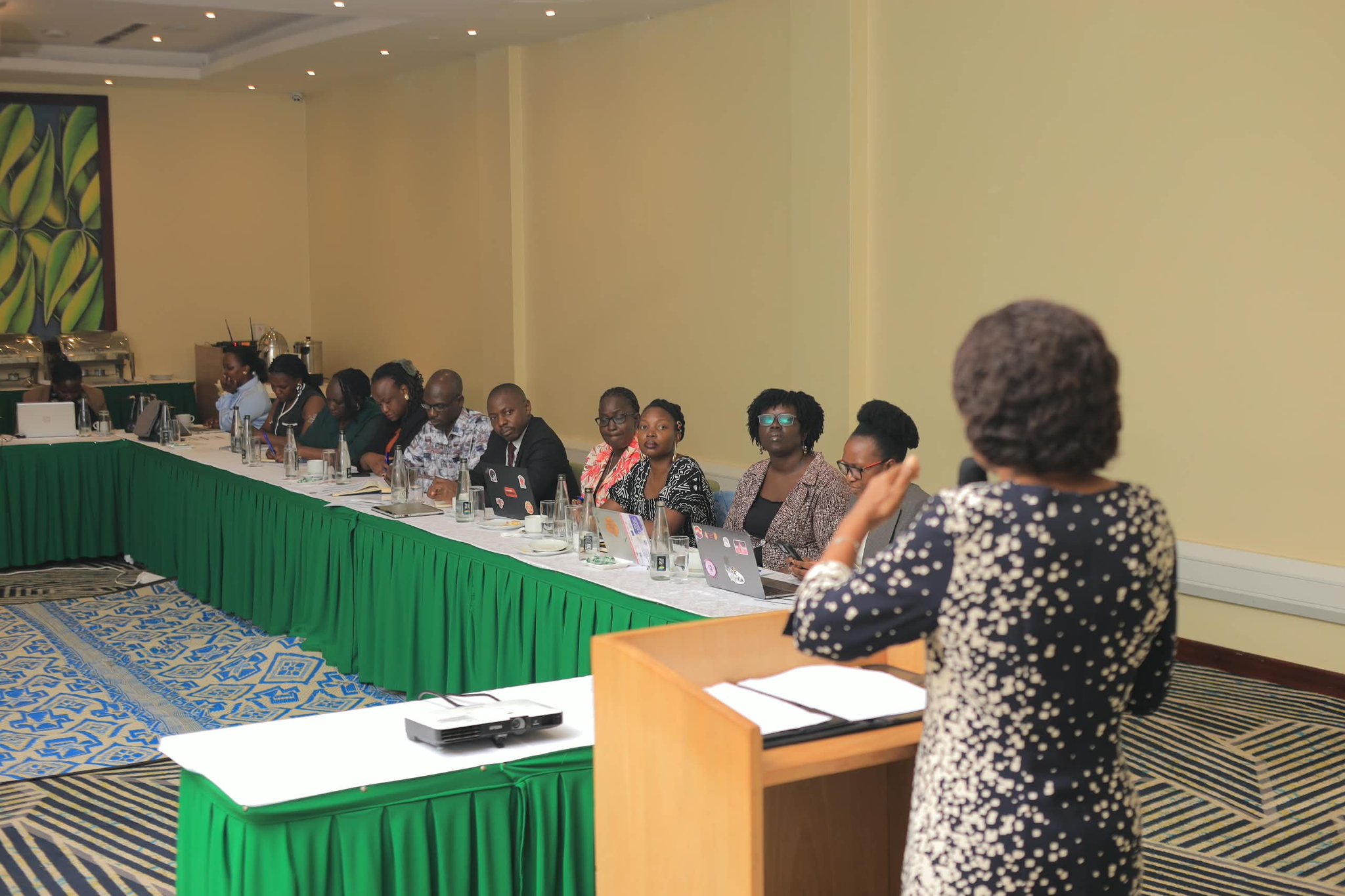
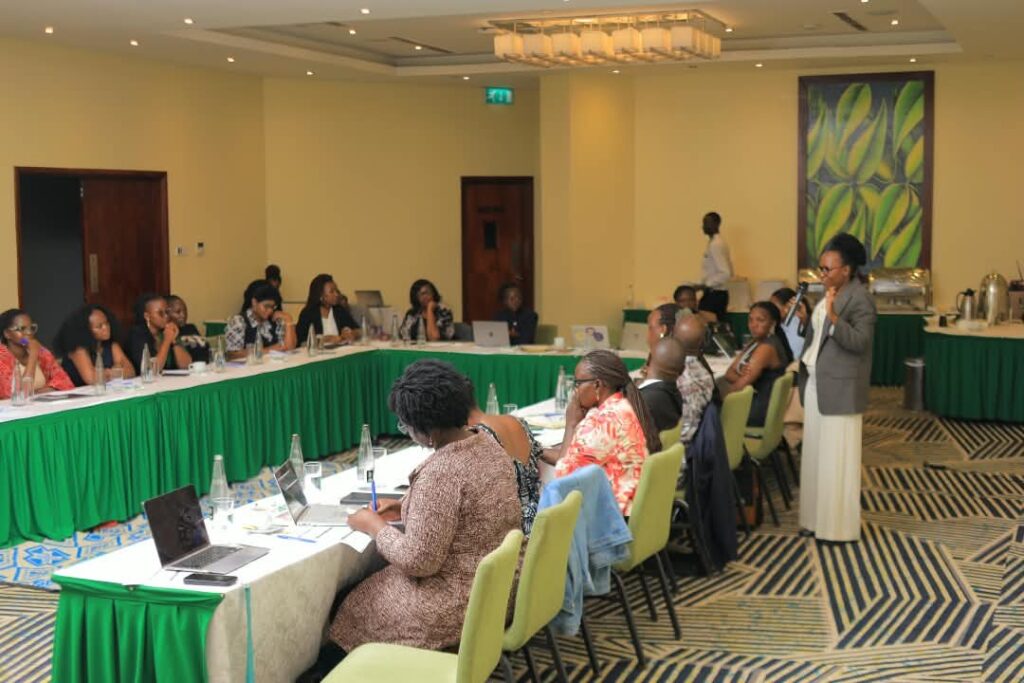
Sarah Jesca Agwan of the Uganda Women’s Network (UWONET) said the anniversary provides an opportunity to reflect on Uganda’s journey in advancing women’s rights and the work that remains.
She recalled that when Uganda ratified the protocol, a caravan travelled from Kenya through Rwanda to Uganda to welcome the development.
The Maputo Protocol was adopted in Maputo, Mozambique, on July 11, 2003, and entered into force in 2005.
According to the African Commission on Human and Peoples’ Rights, 46 of the 55 African countries had ratified the protocol by March 2026.
Agwan said the protocol remains important because it was developed with the realities of African women and girls in mind.
The Maputo Protocol is significant because it was developed from an African understanding of the realities affecting African women and girls,” she said.
She noted that the protocol addresses a wide range of issues, including harmful practices, women’s participation in decision-making, access to justice, economic and social rights, marriage and inheritance, the rights of women with disabilities, women in distress, and sexual and reproductive health rights.
Agwan particularly highlighted Article 21, which addresses the rights of widows, as an example of provisions that respond to specific challenges faced by African women.
She said the protocol should be used not only as a legal instrument but also as a framework for assessing whether women and girls are able to enjoy their rights in their homes, communities, institutions and public spaces.
However, the Women Probono Initiative said Uganda’s continued reservation on Article 14 remains a major concern.
Rose Wakikona, Executive Director Women Probono Initiative, said Uganda had made efforts to address several areas covered by the protocol, including marriage, succession, the rights of widows and harmful practices, but that Article 14 remained a significant gap.
I think the problem is, one, the insistence of the government in failing to lift the reservation on Article 14,” Rose said.
She said Article 14 is particularly important because it deals with women’s sexual and reproductive health and rights and their ability to make decisions concerning their bodies and reproduction.
That’s because Article 14 touches bodily autonomy and the state still wants to control the bodies of women,” she said.
Rose called for political will to lift the reservation, saying women should be able to make decisions about whether and when to have children.
There has to be a will in order to lift the reservations on Article 14 so that they can allow women to decide for themselves when to have children, whether to have them or not, and how to raise them,” she said.
The Maputo Protocol contains 32 articles covering a broad range of women’s rights, including equality, participation in political and decision-making processes, protection from harmful practices, access to justice, and sexual and reproductive health rights.
The organisations said continued litigation, advocacy and public engagement are necessary to translate Uganda’s commitments under the protocol into practical protections and rights for women and girls.
As Uganda marks 16 years since ratification, advocates are therefore calling for renewed attention to both the implementation of existing commitments and the removal of remaining reservations that they say limit the full application of the protocol.