
 Mama FM
Mama FM
Mama FM
10 October 2026, 11:18 pm
By Byamukama Alozious
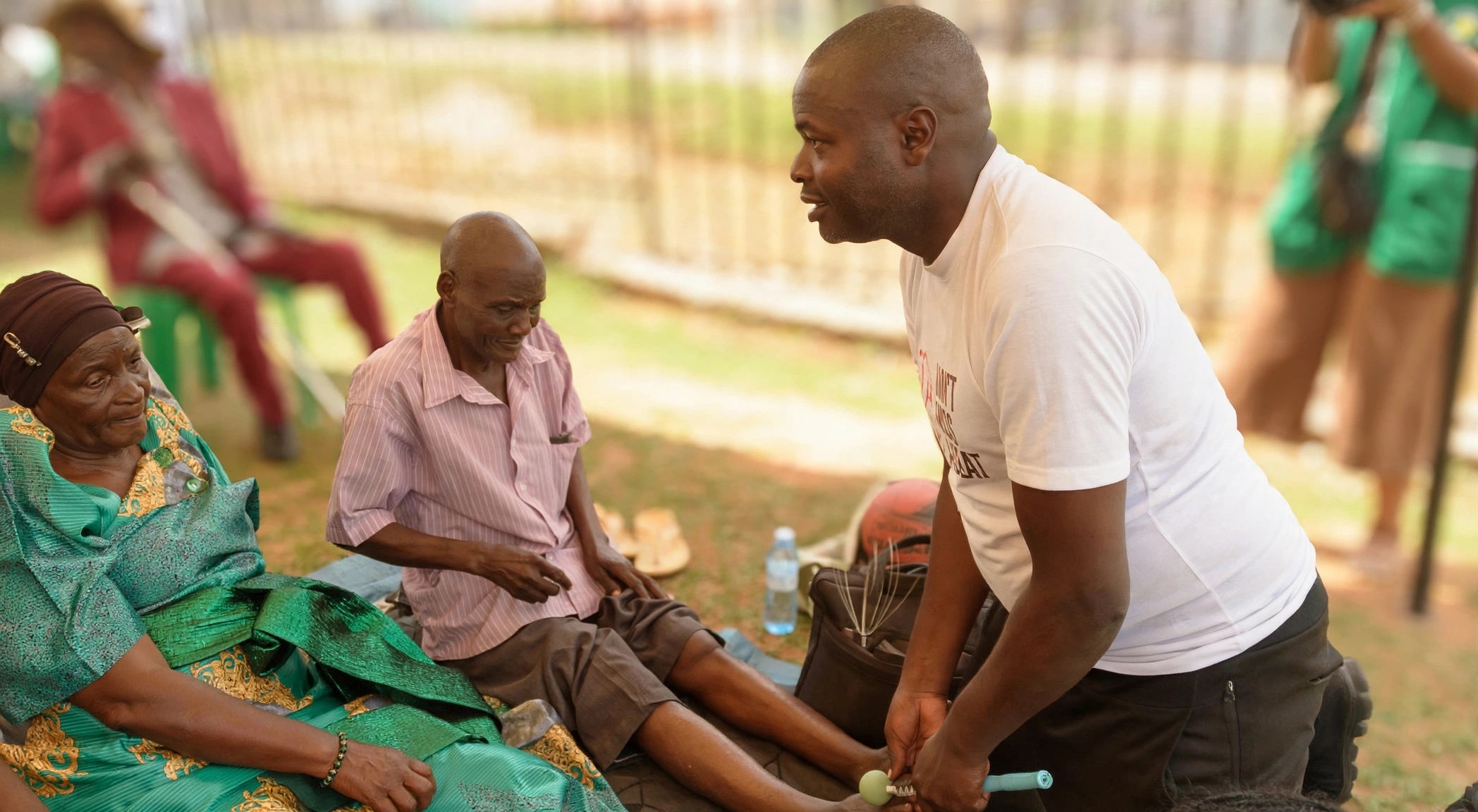
Uganda has renewed calls for improved palliative care services to ensure that people living with serious illnesses receive adequate pain relief, emotional support and dignified care, as the country joined the rest of the world to commemorate World Hospice and Palliative Care Day 2026.
The call was made on Saturday, October 10, during an online meeting organised by the Palliative Care Association of Uganda (PCAU), bringing together palliative care providers and other stakeholders to discuss challenges affecting access to care for people living with conditions such as cancer, HIV/AIDS, tuberculosis and chronic illnesses among older persons.
The commemoration was held under the global theme, “Pain Management: An Essential Part of Palliative Care,” and the national theme, “Closing the Pain Gap: Compassionate Palliative Care for Every Generation.”
Speaking during the meeting, PCAU executive director, Mark-Donald Mwesiga said palliative care goes beyond managing physical pain to address the wider suffering experienced by patients and their families.
He explained that this includes social pain caused by stigma and the feeling of being a burden to family members, psychological distress such as fear, guilt and anxiety, as well as spiritual suffering.
Mwesiga said the commemoration aims to raise awareness among the public, health workers, policymakers and the media about the importance of palliative care. He added that integrating these services into national health and social protection systems is essential to improving access to care for people who need it.
Ministry of Health Principal Medical Officer Mariam Ajambo said the government had made efforts to improve pain management, including ensuring the availability of morphine in public and private health facilities.
However, she noted that many people remain unaware of palliative care services, while others wrongly associate them only with death.
Palliative care helps people living with serious illnesses manage pain and other distressing symptoms while supporting their emotional and social wellbeing. It also provides support to families and caregivers as they navigate the challenges associated with illness.
In the Kigezi sub-region, the shortage of trained palliative care providers remains a challenge, according to Dr Bell Tonje, the medical officer in charge of Kabale Christian Care.
Tonje said the organisation was training more health workers to expand access to services and address the shortage.
He also thanked development partners for providing an ambulance that has improved patient transportation and supported community outreach activities. He noted that other palliative care providers, including Kawempe Home Care, had also benefited from similar support.
Insert an image to make a visual statement.
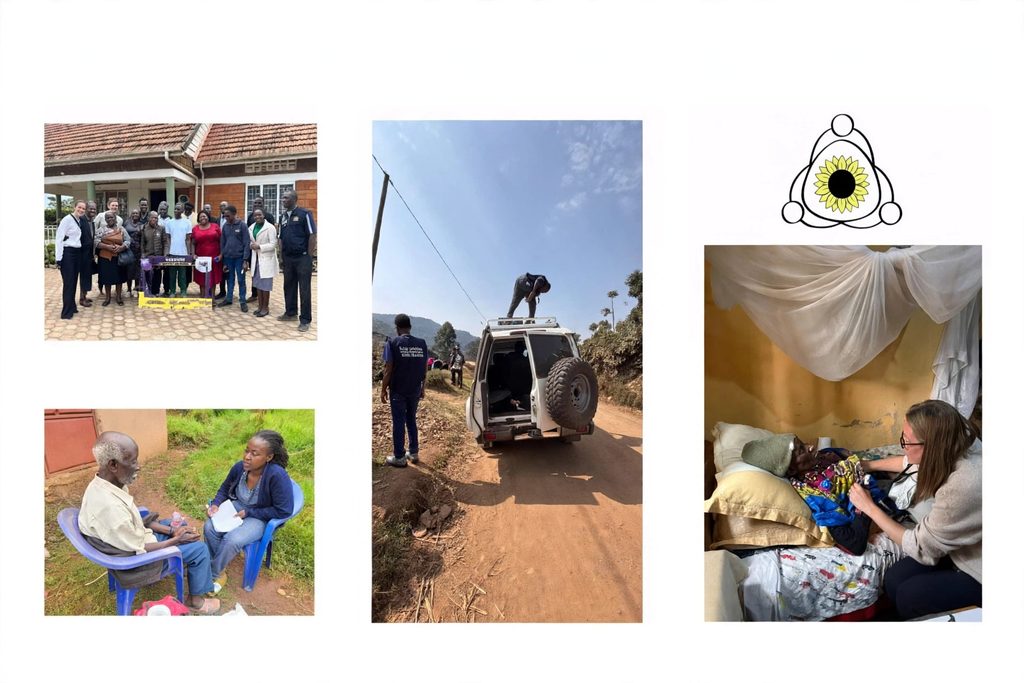
Meanwhile, Kawempe Home Care continues to provide free, holistic home-based care to more than 2,500 disadvantaged people living with HIV, tuberculosis and cancer, according to its programme manager, Sarah Komugisha.
The organisation also supports orphans and vulnerable children and advocates for improved access to healthcare.
Komugisha said childhood cancer is among the organisation’s priorities because children have unique treatment needs, and some cancers can progress rapidly. She emphasised that early detection, appropriate treatment and good nutrition are important in improving outcomes for children with cancer.
To support children undergoing treatment, Kawempe Home Care established the Hope Children’s Hostel in partnership with the Uganda Cancer Institute.
Under the arrangement, social workers at the institute identify families in need and refer children aged between zero and 18 years, together with their caregivers, to the hostel for free accommodation during treatment.
Komugisha said the hostel had so far supported more than 1,000 children, while about 2,000 families had received psychosocial support, including meals, transport assistance, play therapy and counselling.
The organisation also supports 60 vulnerable children with school fees and has enrolled 20 cancer survivors in vocational skills training to help them develop practical skills and improve their livelihoods.
Despite such interventions, PCAU says more coordinated action is needed to ensure that palliative care services reach people across the country, particularly those facing financial, geographical and social barriers to accessing healthcare.
The association has called on the Ministry of Health to establish a National Palliative Care Strategic Plan to guide the delivery and expansion of services.
It has also urged the Ministry of Education and Sports to integrate palliative care into training programmes at higher institutions of learning, while asking the Ministry of Gender, Labour and Social Development to incorporate the services into social care programmes for older persons and other vulnerable groups.
PCAU further called on National Medical Stores to strengthen the supply of essential palliative care medicines, including oral liquid morphine. It also urged Parliament and Cabinet to enact supportive laws and allocate adequate resources for palliative care services in public hospitals.
With support from the HelpAge Global Network, the association emphasised that older persons living with chronic illnesses deserve compassionate care that protects their comfort, dignity and wellbeing.
World Hospice and Palliative Care Day is observed annually on the second Saturday of October to raise awareness about hospice and palliative care and advocate for access to quality services for people living with serious illnesses.
This year’s commemoration highlights the need to close gaps in pain management and ensure that patients receive not only relief from physical symptoms but also the emotional, social and spiritual support necessary to live with dignity.