
 Mama FM
Mama FM
Mama FM
10 September 2026, 3:42 pm
By Byamukama Alozious
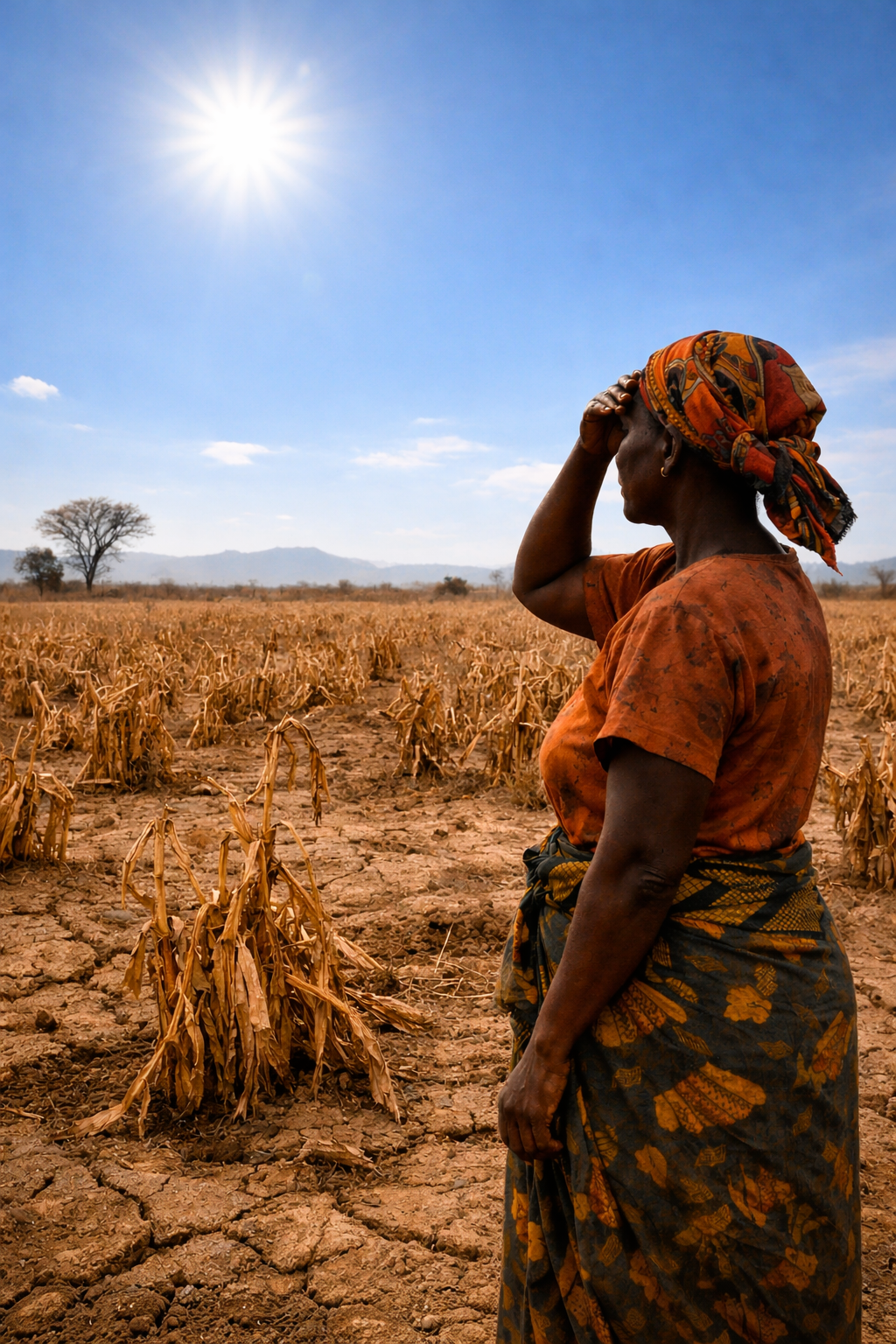
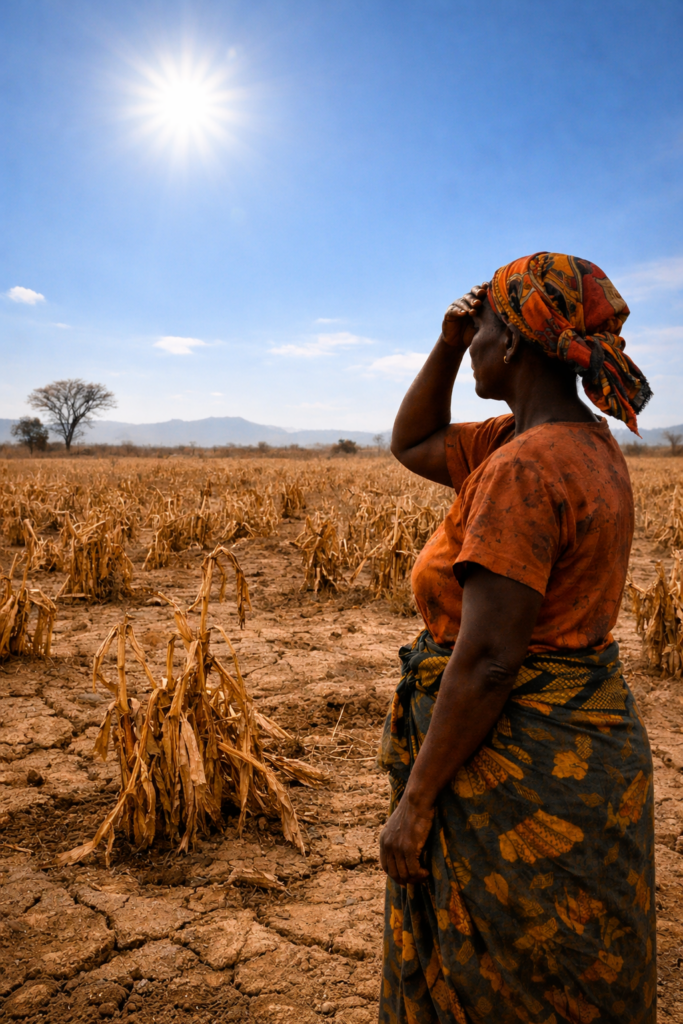
Farmers in Masaka City are counting heavy losses after nearly four months of persistent sunshine and dry conditions destroyed coffee, matooke and other food crops.
During a visit to farmers in Kanabukulilo Village, Bisanje Ward, Kimanya-Kabonera Division, State Minister for Local Government Justine Nameere Nsubuga expressed concern over the impact of the dry spell on farmers’ livelihoods.
Farmers also complained about fake fertilisers, saying they had lost money buying agricultural inputs that failed to improve their crops.
The situation in Masaka reflects a wider challenge facing farmers in parts of Uganda and East Africa, where prolonged dry spells have affected crops, pasture and water supplies. Karamoja has been among the hardest-hit areas, while farmers in parts of Ankole and central Uganda, including areas around Kampala, have also reported prolonged dry conditions.
The World Meteorological Organisation says drought affected more than 8.5 million people in East Africa in 2024/2025, highlighting the region’s growing vulnerability to climate extremes.
Scientists say rainfall in East Africa is influenced by large climate systems involving both the atmosphere and the oceans. Changes in sea-surface temperatures in the Indian Ocean and Pacific Ocean can influence winds and the movement of moisture towards East Africa.
One important system is the Indian Ocean Dipole, which describes differences in ocean temperatures between the western and eastern Indian Ocean. These changes can influence whether East Africa receives more or less rainfall. El Niño and La Niña in the Pacific Ocean can also alter rainfall patterns across the region.
These natural climate variations are now occurring against a background of a warming planet, with rising temperatures increasing pressure on water and agricultural systems.
For farmers in Masaka, the consequences are immediate. Coffee and banana plants require sufficient moisture, and prolonged dry conditions can reduce yields, damage crops and cut household incomes.
Minister Nameere criticised agricultural extension workers and production officers for failing to adequately guide farmers on how to prepare for prolonged dry spells, saying some losses could have been reduced through better preparation.
She said government has signed a new irrigation project, with Masaka City among the beneficiaries, to help farmers continue production during prolonged dry periods.
The Minister also pledged to engage the Office of the Prime Minister over possible support for affected farmers and called for action against fake agricultural inputs.
The challenge facing farmers is increasingly about adapting to less predictable weather. Irrigation, water harvesting, drought-tolerant crops, mulching and timely climate information could help reduce future losses.