
 Mama FM
21 October 2026, 1:06 pm
By Ainembabazi Shallon
Every day, millions of Ugandan households face the challenge of finding affordable fuel to prepare their meals, with charcoal and firewood remaining the main sources of cooking energy for many families, especially in rural communities and low-income urban settlements. However, as the government moves to restrict charcoal use, an important question remains: what alternatives are available to ordinary Ugandans who cannot afford expensive cooking technologies?
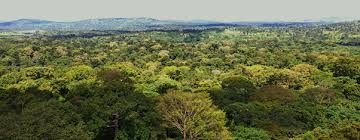
The cutting down of trees for charcoal production and the collection of firewood have contributed to deforestation, environmental degradation and climate change. Trees absorb carbon dioxide from the atmosphere and store carbon, helping to regulate the Earth’s temperature. When forests are cleared and trees are burned for fuel, stored carbon is released into the atmosphere, while fewer trees remain to absorb carbon dioxide. This contributes to global warming, habitat destruction and biodiversity loss. In addition, the loss of tree cover exposes land to soil erosion, reduces soil fertility and affects rainfall patterns, placing agricultural livelihoods and food security at risk.
Women and girls are among those most affected by this crisis because cooking responsibilities often fall on them in many communities. Women spend hours collecting firewood or searching for affordable charcoal, time that could otherwise be used for education, income-generating activities and rest. Smoke from traditional cooking methods also exposes families to harmful air pollution, increasing the risk of respiratory illnesses and other health complications. Therefore, reducing dependence on charcoal and firewood is necessary, but restrictions alone will not solve the problem if households have no affordable and reliable alternatives.
One promising local option is briquettes produced from agricultural residues such as coffee husks, rice husks and sawdust, as well as other suitable organic materials. These can provide an alternative cooking fuel while creating employment opportunities for women and young people involved in their production and distribution. Biogas is another option, using biodegradable materials such as animal manure and food waste to produce cooking fuel while helping communities manage organic waste. Clean cooking stoves designed to use less fuel can also reduce charcoal and firewood consumption, although their environmental benefits depend on the fuel used, stove design and emissions produced.
The government has also promoted gas cylinders as an alternative to charcoal. However, while liquefied petroleum gas (LPG) generally produces less harmful indoor smoke than traditional charcoal and firewood cooking, it is not a fully clean or renewable energy source. LPG is a fossil fuel whose production and transportation contribute to greenhouse gas emissions. Its continued use also maintains dependence on fossil fuels rather than supporting a complete transition to renewable energy. The cost of purchasing a cylinder and stove, paying for refills and transporting gas can also be too high for households with irregular incomes.
Fear of using gas is another challenge in many communities. Some people worry that cylinders may explode or catch fire, particularly when they have not received practical training in their safe use. Although LPG can be used safely with properly maintained equipment and appropriate precautions, households need clear demonstrations on connecting regulators, checking for leaks using soapy water, keeping cylinders upright in well-ventilated areas, turning off the gas supply after cooking and keeping cylinders away from flames and excessive heat. Suspected leaks should never be checked with a naked flame. Users should turn off the gas supply if it is safe to do so, avoid operating electrical switches and seek assistance from a qualified technician. Donating cylinders without providing training, affordable refills and reliable maintenance services will not guarantee sustained use.
The government must therefore move beyond banning charcoal and invest in locally led cooking solutions that respond to the realities of Ugandan households, rather than committing public resources to new fossil fuel projects. It should prioritise affordable briquette production, household and community biogas systems, genuinely clean electric cooking where electricity is accessible and reliable, and efficient cooking technologies that reduce fuel consumption. Women-led enterprises and local manufacturers should receive financial support, training, equipment and access to markets to make these solutions widely available.
The government should also work with local leaders, community organisations and women’s groups to demonstrate how alternative cooking technologies work, address safety concerns and ensure that low-income households can afford them. Subsidies and financing should prioritise women and vulnerable families, while standards and monitoring should ensure that promoted technologies deliver genuine health and environmental benefits.
Uganda’s energy transition must protect the environment without pushing families deeper into poverty. Investing in locally made, affordable, accessible and reliable cooking solutions is a practical step towards protecting women and girls, reducing deforestation and building a healthier, climate-resilient future.