
 Mama FM
Mama FM
Mama FM
13 October 2026, 5:33 pm
By Byamukama Alozious
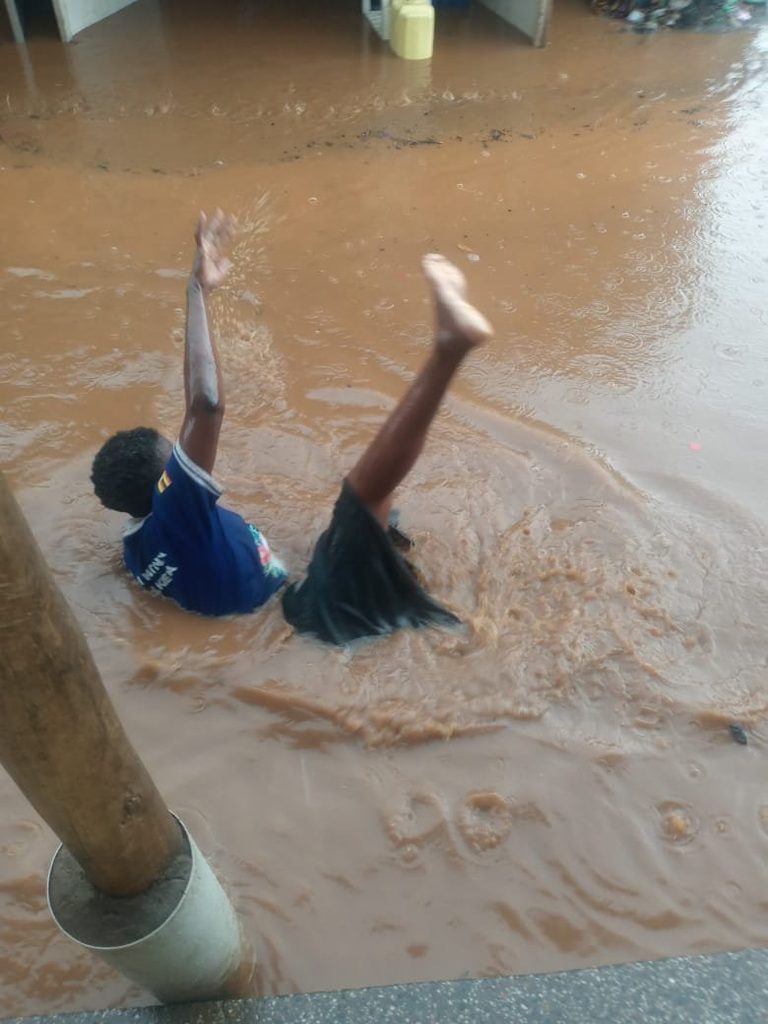
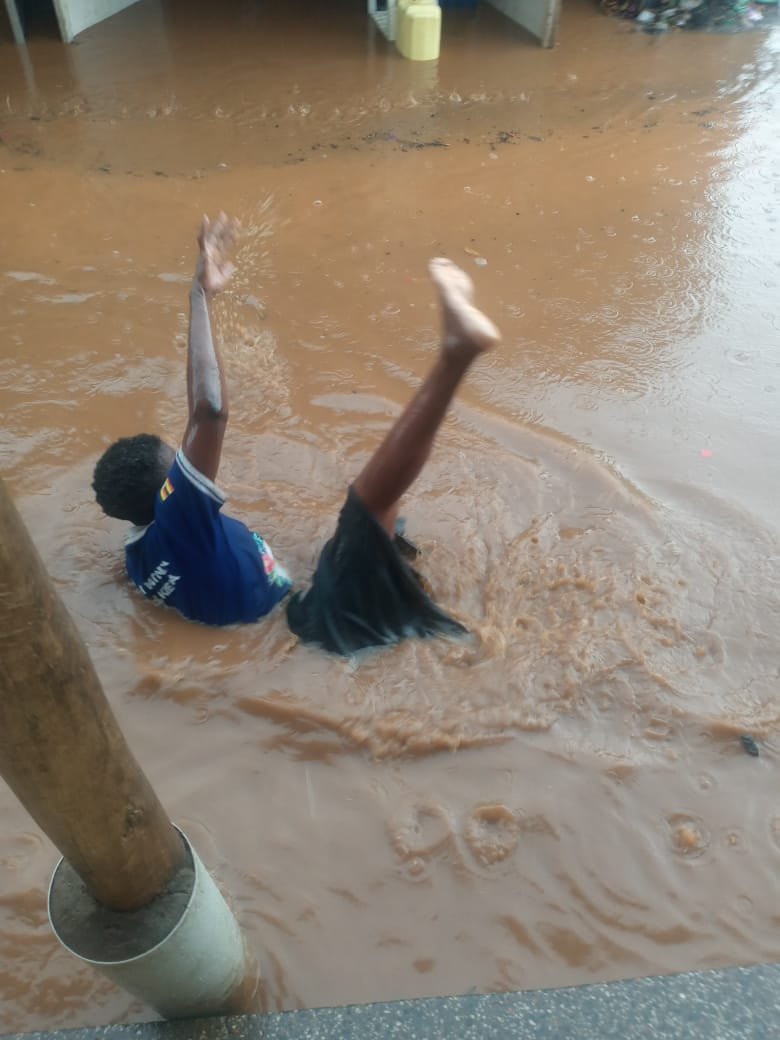
Two people have died and property has been damaged after heavy rains flooded parts of Kampala and the surrounding metropolitan area, renewing concerns about the region’s preparedness for increasingly dangerous weather.
The deaths occurred on Sunday, October 11, 2026, as floodwater swept through parts of Kampala, while roads and communities in neighbouring Wakiso District were also affected by overflowing water.
In Bulabira Zone, police recovered the body of an unidentified man, estimated to be between 22 and 28 years old, from a drainage trench. He is suspected to have been swept there by floodwater.
In Ttuba Zone, Kyanja Parish, 25-year-old Jalia Nameere died after a perimeter wall reportedly collapsed onto her rented room during overnight rains, according to the Uganda Police Force. Both bodies were taken to the mortuary for postmortem examinations.
The deaths came as the Kampala–Hoima Highway near Lubigi Wetland became flooded, leaving commuters struggling to cross and motorists facing traffic congestion and concealed road hazards.
In Wakiso District, River Mayanja overflowed following heavy overnight rainfall, submerging the road connecting Mende in Kakiri Sub-county and Gombe Division in Nansana Municipality. Residents reported damaged houses, crops and household property, while motorists and pedestrians were left stranded.
Residents said the crossing had flooded for the third time and blamed inadequate culverts that could not handle the volume of water. They appealed to the Ministry of Works and Transport to intervene before another disaster occurs.
The flooding came despite warnings from weather authorities about the risks associated with the ongoing rainy season. In its October 2026 weather update, the Ministry of Water and Environment warned that enhanced rainfall during October to December could increase flooding, waterlogging and landslides in vulnerable areas.
The incidents raise questions about how Kampala and Wakiso are preparing for a changing climate, particularly as intense rainfall meets rapid urbanisation, pressure on wetlands and drainage systems that struggle to carry away stormwater.
Kampala Capital City Authority’s Climate Change Risk and Vulnerability Assessment identifies flooding as one of the capital’s major climate risks. It recommends improvements in drainage, enforcement of wetland and building regulations, urban greening and climate-sensitive building designs.
Climate change can alter rainfall patterns and increase the risk of extreme rainfall in many regions, but the contribution of climate change to a particular storm requires scientific analysis. In Kampala, the danger is compounded by the way land is developed, natural drainage areas are used and stormwater infrastructure is maintained.
When wetlands are degraded or built over, they can lose some of their capacity to store excess water. Poorly maintained drainage channels, undersized culverts and buildings in flood-prone areas can further increase the risk to lives and property.
For residents of low-lying communities, the consequences extend beyond damaged homes and blocked roads. Floodwater can contaminate water sources, disrupt access to health facilities and schools, destroy livelihoods and increase exposure to waterborne diseases.
The latest incidents also highlight the need for coordinated planning across the Greater Kampala Metropolitan Area. Water does not stop at administrative boundaries, and flooding in one district can disrupt transport and livelihoods in another.
Authorities need to strengthen early-warning communication, maintain drainage channels, protect wetlands, inspect vulnerable structures and ensure that roads and culverts are designed for changing rainfall risks. Residents also need timely information on dangerous routes and areas likely to flood.
Police have urged the public to avoid flooded roads, drainage channels and trenches, and to keep away from unstable walls and buildings during heavy rains.