
 Mama FM
Mama FM
Mama FM
29 September 2026, 4:04 pm
Byamukama Alozious
Persons with disabilities have raised concerns over barriers to accessing healthcare and assistive devices, calling on the government to make health services, public infrastructure and education more inclusive.
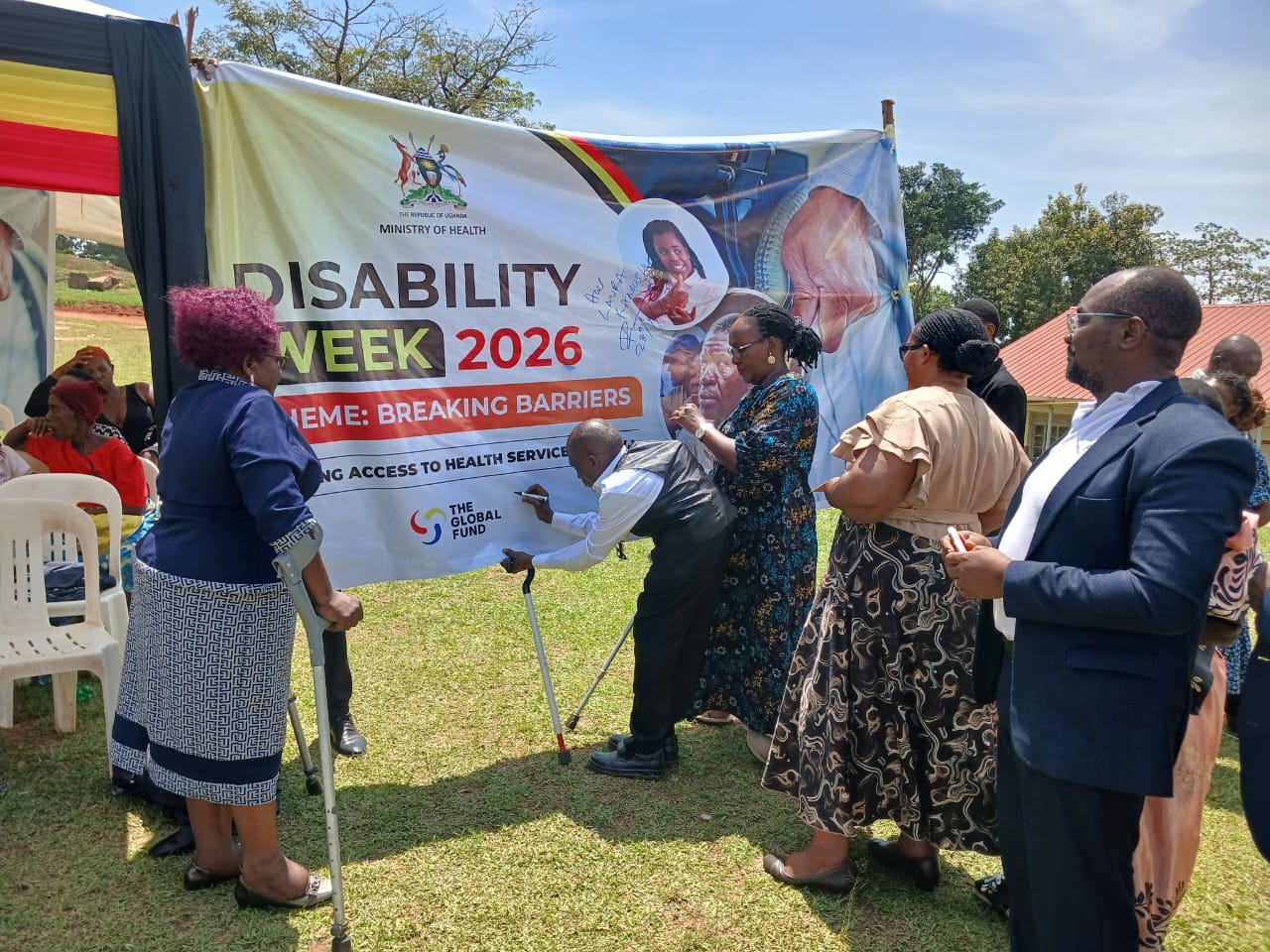
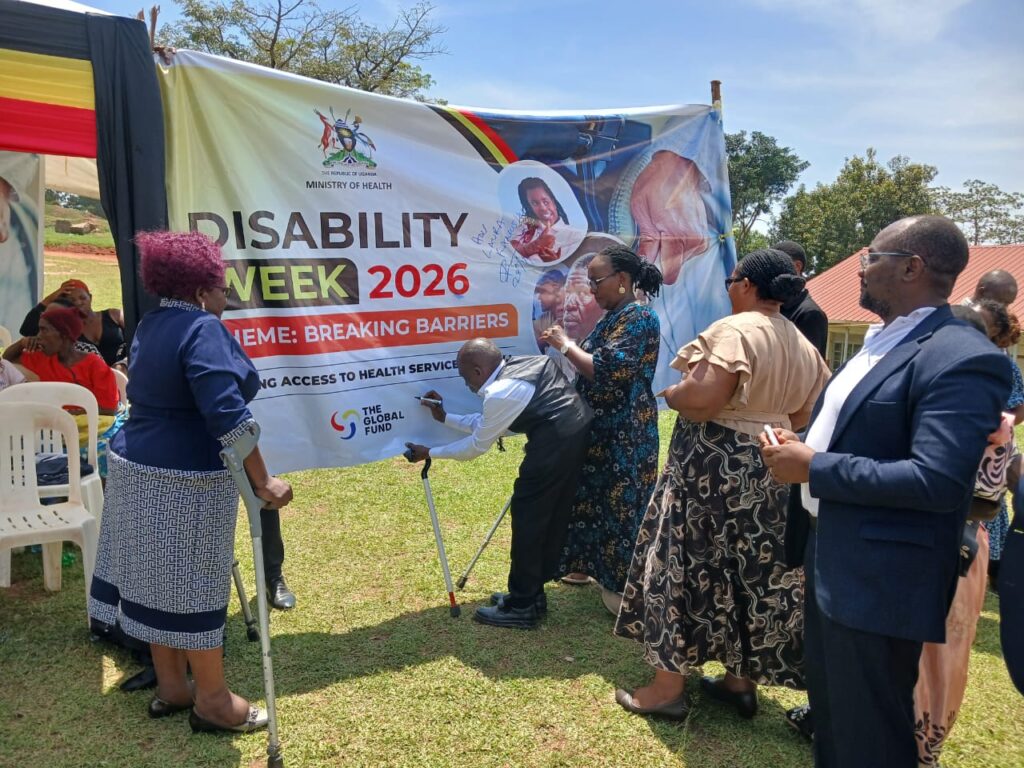
The concerns were raised during the launch of Disability Week at Wakiso Secondary School for the Deaf, where Kanushu Roula, the National Female Member of Parliament representing Persons with Disabilities, said people with disabilities should not have to depend on charity or repeatedly plead for basic services.
Kanushu said her experience as a person with a disability had exposed her to challenges faced by people with disabilities, particularly when accessing healthcare.
She cited inaccessible health facilities and equipment, including hospital beds that may be difficult for women with physical disabilities to use.
She called for disability inclusion to be incorporated into the planning and budgeting of all government ministries, saying disability is a cross-cutting issue affecting health, education, works, water and other sectors.
Kanushu also raised concerns over access to assistive devices such as wheelchairs, crutches and white canes.
She said the devices should not be treated only as medical supplies because many persons with disabilities depend on them to work, study and participate independently in society.
She also called for more sign-language interpreters in public institutions, including health facilities and district offices.
Anna Nakitende, a deaf student studying Physics, Economics and Mathematics and Information and Communication Technology, said deaf people continue to face communication barriers when seeking medical care.
Nakitende said many health facilities lack sign-language interpreters, making it difficult for deaf patients to communicate effectively with health workers.
She urged the government to recruit and deploy sign-language interpreters at health facilities and encouraged health workers to acquire basic sign-language skills.
She said direct communication is particularly important when patients are discussing sensitive or confidential medical information.
Nakitende also called for health information to be provided in accessible formats, including sign language, warning that communication barriers can contribute to misunderstandings and wrong diagnoses.
Esau Muhumya, a health worker at Wakiso Health Centre IV, said health facilities should strengthen communication with deaf clients through sign language, interpreters, written communication and visual materials.
Muhumya shared an experience involving a pregnant deaf woman who struggled to access healthcare because no one at the facility could communicate with her.
He said his basic knowledge of sign language enabled him to communicate with the woman and help her access further investigations, including a CT scan and ultrasound at Mulago.
“Nobody at the facility could help this lady. I was able to communicate with her using simple signs,” Muhumya said.
He said the experience showed how communication barriers can directly affect access to healthcare.
Katongole Steven Richard, the headteacher of Wakiso Secondary School for the Deaf, said the school was established in 2005 and has grown into an institution providing secondary education to deaf learners.
Katongole said the school currently has 218 students from Senior One to Senior Six and is now expanding its focus to vocational skills to prepare learners for life and employment beyond secondary education.
He said the school is developing vocational training programmes, including plumbing and mechanical-related skills, to give learners practical skills that can support their independence.
Katongole said Disability Week provides an opportunity for the community to reflect on the challenges faced by persons with disabilities, recognise their abilities and promote greater inclusion.
He said schools and communities have a responsibility to create opportunities that allow persons with disabilities to learn, develop skills and participate fully in society.
Muhumya also urged communities to challenge stigma and discrimination against persons with disabilities and called on parents and caregivers to support children with disabilities.
He said awareness activities are important in helping communities and service providers understand the needs, abilities and rights of persons with disabilities.