
 Mama FM
31 October 2026, 9:13 am
By Byamukama Alozious
Ugandan musicians and comedians are turning to music, comedy and social media to strengthen HIV prevention messages among young people, warning that conventional health campaigns may no longer be reaching their intended audiences effectively.
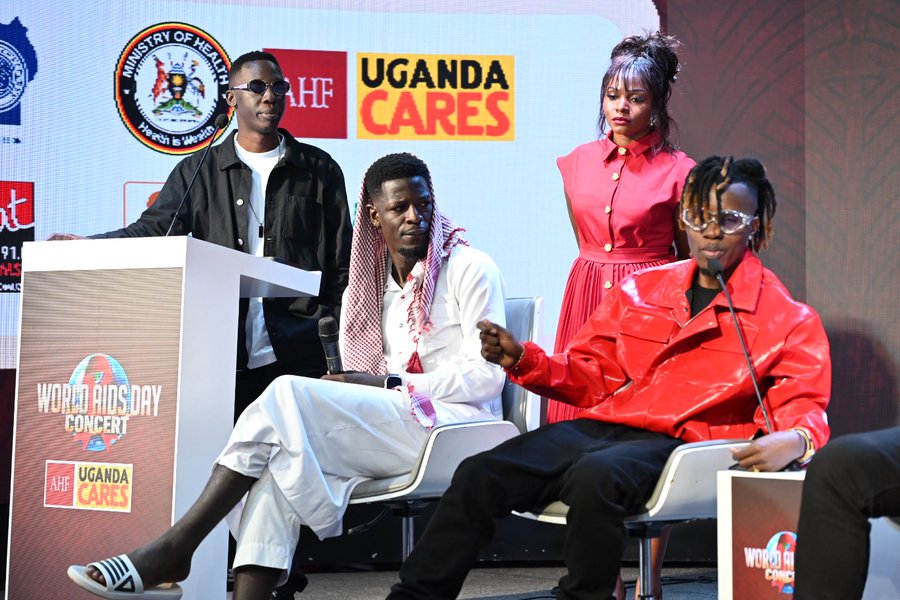
The artistes made the call during the press launch of the upcoming World AIDS Day Concert organised by AHF Uganda Cares at Next Media Park in Kampala on Thursday, October 29, 2026.
The concert is scheduled for November 27 at Millennium Park, Lugogo, and will combine entertainment with HIV testing, health screenings and information on prevention, treatment and care. Confirmed performers include musicians King Michael, Roden Y Kabako and Acidic Vocals, alongside comedians Maulan and Reign.
The artistes said health messages must be presented in ways that reflect young people’s interests and everyday experiences if they are to influence behaviour and encourage informed decisions about sexual health.
Musician King Michael was among the artistes called upon to contribute a song for the campaign and use his platform to promote HIV prevention.
Comedians Maulan and Reign said young people are often more attracted to the entertainment than the health information accompanying it, making it important for musicians and comedians to incorporate accurate prevention messages into their work.
They urged health organizations to collaborate with creatives to develop relatable content that can reach young audiences through music, comedy and digital platforms.
Reign also highlighted the stigma surrounding condom use and access, saying fear and negative attitudes can discourage people from seeking or purchasing condoms.
He suggested engaging condom vendors through direct communication, including voice messages, and strengthening access through condom distribution and collection points to make prevention methods more accessible.
Musician Acidic Vocals called on people to priorities HIV testing and know their status before engaging in sexual relationships. He also urged people living with HIV to seek appropriate care and avoid exposing others to the virus.
Angel Laura Kyakunzire emphasised the need to restore meaningful public conversations about HIV and make prevention information reflect the realities of people affected by the epidemic.
She said the concert should bring together young people, political leaders and the private sector to acknowledge that HIV remains a public health challenge requiring sustained action.
Kyakunzire added that the experiences of people living with HIV demonstrate the importance of accurate information, acceptance and continued support, noting that living with the virus can present challenges beyond the clinical management of the disease.
Representing the Ministry of Health, Daniel Byamukama called for stronger government accountability, increased domestic investment and sustained efforts to strengthen HIV prevention.
He warned that Uganda’s ambition to end AIDS as a public health threat by 2030 could face challenges if the country’s HIV response remains heavily dependent on donor funding.
“Medicine isn’t food,” Byamukama said, emphasising that medicines and other HIV-related services depend on sustained resources and must not be taken for granted.
He called on religious leaders, musicians, journalists and other community influencers to use their platforms to promote accurate information, challenge discrimination and encourage people to take responsibility for their sexual health.
Byamukama also highlighted the continuing vulnerability of young people to HIV, although the precise age-specific figures cited at the launch require confirmation against the Ministry of Health’s latest data.
AHF Uganda Cares said the concert is intended to reach audiences who may not readily engage with conventional health outreach programmes. The organisation plans to combine performances with opportunities for HIV testing and access to information on prevention, treatment and care.
The event comes as health advocates continue to stress the importance of reducing stigma and normalising conversations about HIV in homes, schools, workplaces and communities.
The artistes called for stronger collaboration between government, health organisations, media, religious institutions and the entertainment industry to ensure that HIV prevention messages are not limited to annual commemorations.
They said young people need information they can understand and apply in their lives, alongside accessible prevention services and supportive environments in which they can seek help without fear of discrimination.