
 Mama FM
Mama FM
Mama FM
19 June 2026, 1:06 pm
By Annet Nakato
The Salaam Muslim Cemetery Committee has announced significant progress in its efforts to establish a new Muslim cemetery to serve Kampala, Wakiso, and surrounding areas, with more than 63 acres of land already secured and over UGX 2.4 billion raised through public contributions.
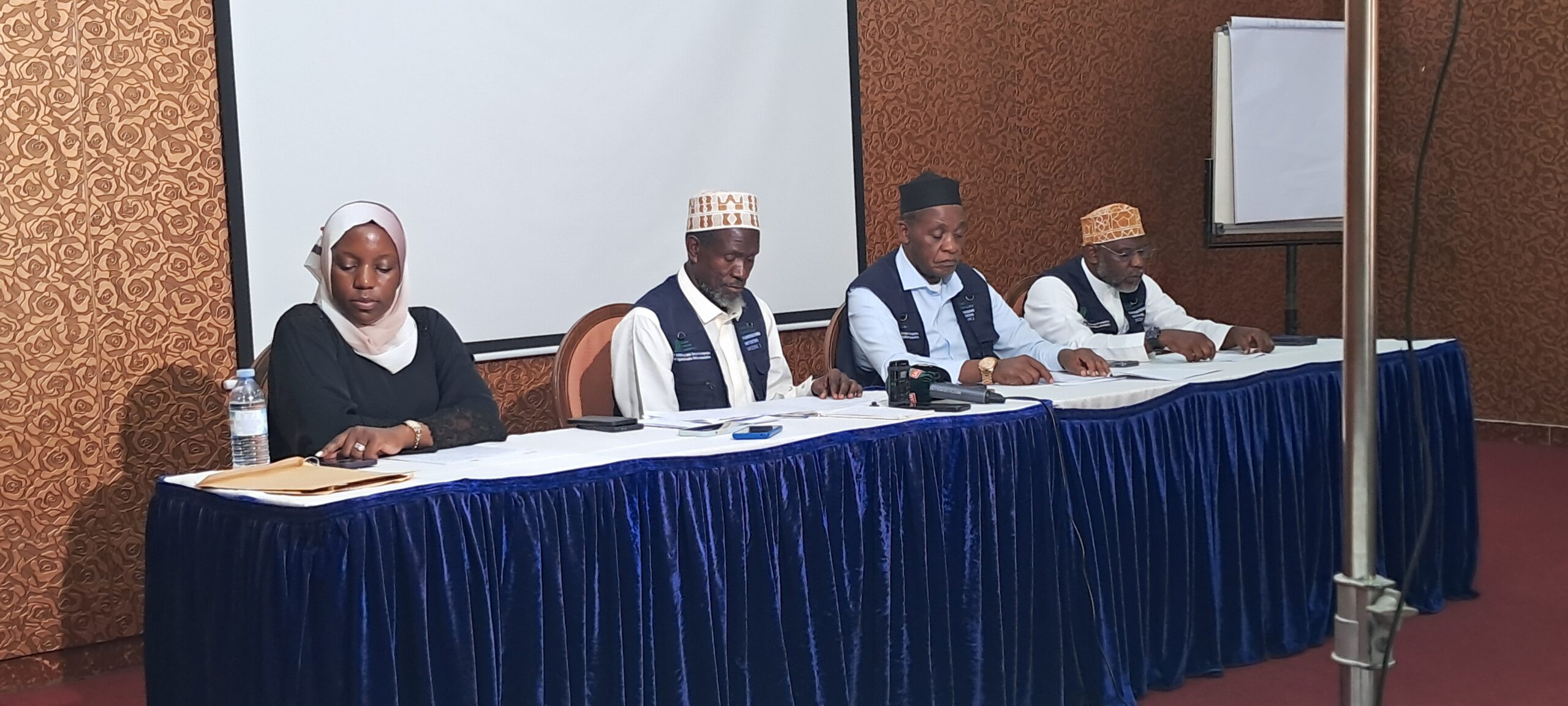
Speaking during a press briefing, committee spokesperson Kyeyune Kasozi said the project was initiated in response to the growing shortage of burial space at existing Muslim cemeteries, particularly at Nkoowe, which has reached capacity.
“The Muslim community has an immediate responsibility to secure a dignified, accessible and sustainable burial ground for present and future generations,” Kasozi said.
According to the committee, extensive due diligence was conducted before acquiring the land to ensure that it was legally sound, free from disputes, accessible, and suitable for burial purposes.
The committee revealed that two major land acquisition processes have been undertaken. The first involved the purchase of approximately 20 acres in Wobulenzi at a cost of UGX 460 million, which has been fully paid for.
The second acquisition is a 43.7acre piece of land in SangaMatugga valued at UGX 2.324 billion. The committee has so far paid UGX 2 billion, leaving an outstanding balance of UGX 324 million.
Kasozi noted that while the project has made substantial progress, the costs disclosed largely cover land acquisition and do not include additional expenses such as legal processes, land transfer, fencing, access roads, land clearing, security, parking facilities and other preparations required before burial operations can begin.
Financial records presented during the briefing indicate that contributions received from 2023 to date amount to approximately UGX 2.44 billion, while expenditure stands at about UGX 2.42 billion, leaving a balance of roughly UGX 20 million pending final reconciliation and verification.
The committee also addressed public concerns regarding the time taken to operationalise the cemetery project. Kasozi explained that several land options had been inspected but were rejected due to challenges including poor terrain, unclear ownership documentation, land disputes, inadequate road access, unsuitable acreage and inflated prices.
“Because this project is funded by public contributions, the committee had a duty to proceed carefully, responsibly and transparently. It would not have been proper to rush into acquiring land that could later expose the Muslim community to legal or operational challenges,” he said.
The committee reassured contributors that all funds have been managed with accountability and that regular financial updates have been provided through various platforms. Collections from banks, mosques, donation boxes and other channels continue to be reconciled.
Upon completion of the remaining land transactions, the committee plans to begin site preparation activities including opening boundaries, clearing access routes, preparing parking areas, developing a land-use plan and establishing infrastructure necessary for organized burial services.
Among the immediate priorities are clearing the outstanding UGX 324 million balance on the Sanga-Matugga land, finalizing legal documentation, securing vacant possession of the property, completing title processing and developing operational plans for the cemetery.
The committee has also clarified that fundraising efforts remain ongoing and appealed to Muslims and other well-wishers to continue supporting the project until all outstanding land payments and preparation costs are fully covered.
Kasozi described the cemetery project as both a collective obligation and a lasting investment for future generations, urging the community to remain patient and united as the final stages of the project are completed. “A great milestone has been achieved, but additional financial and moral support is still needed to clear the remaining balance and prepare the land for proper use,” he said.