
 Mama FM
6 November 2026, 12:11 pm
By Byamukama Alozious
About 445,000 Ugandans who need palliative care are not accessing the services, raising concerns about the country’s ability to provide pain relief and support to people living with serious illnesses.
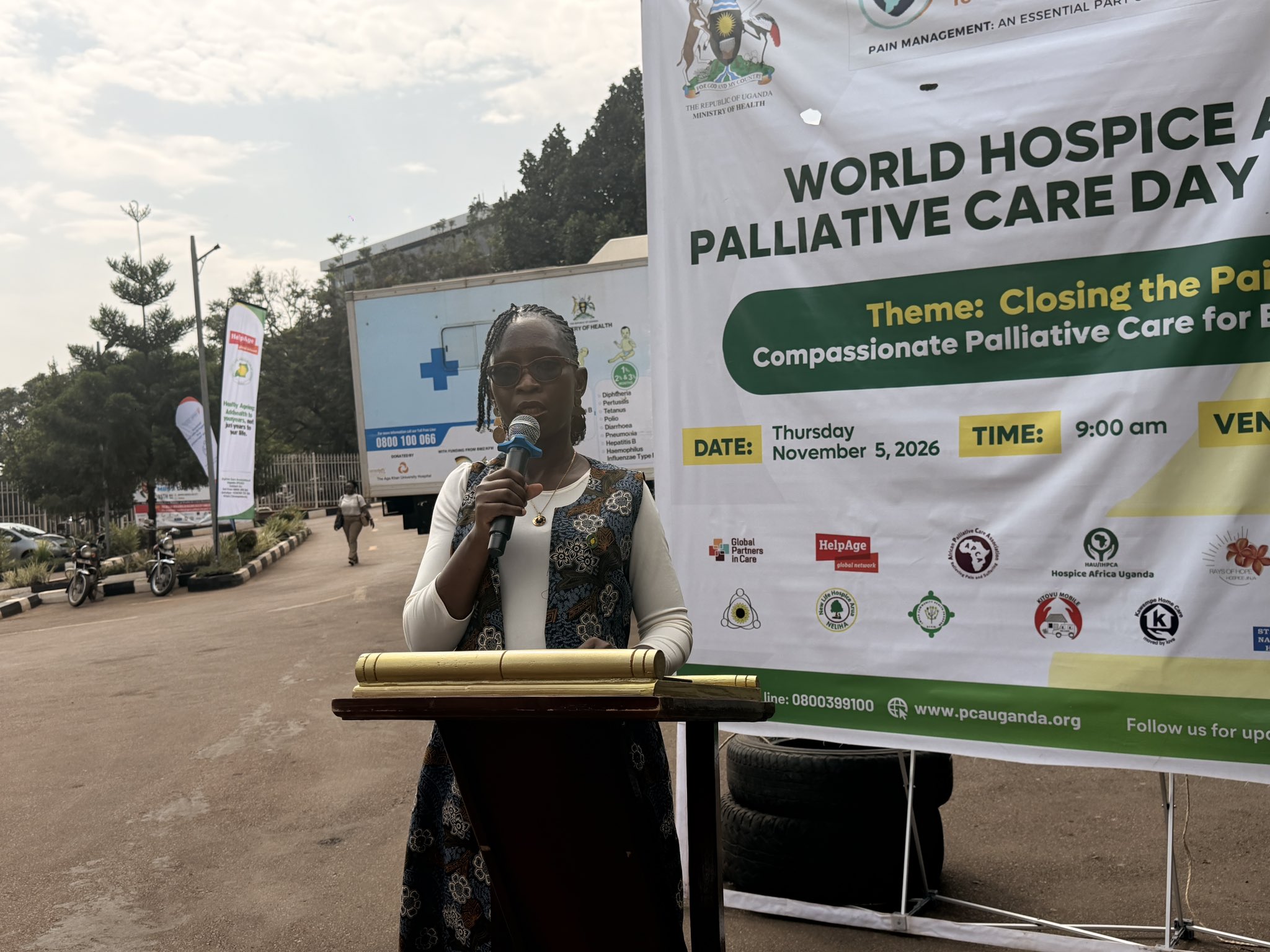
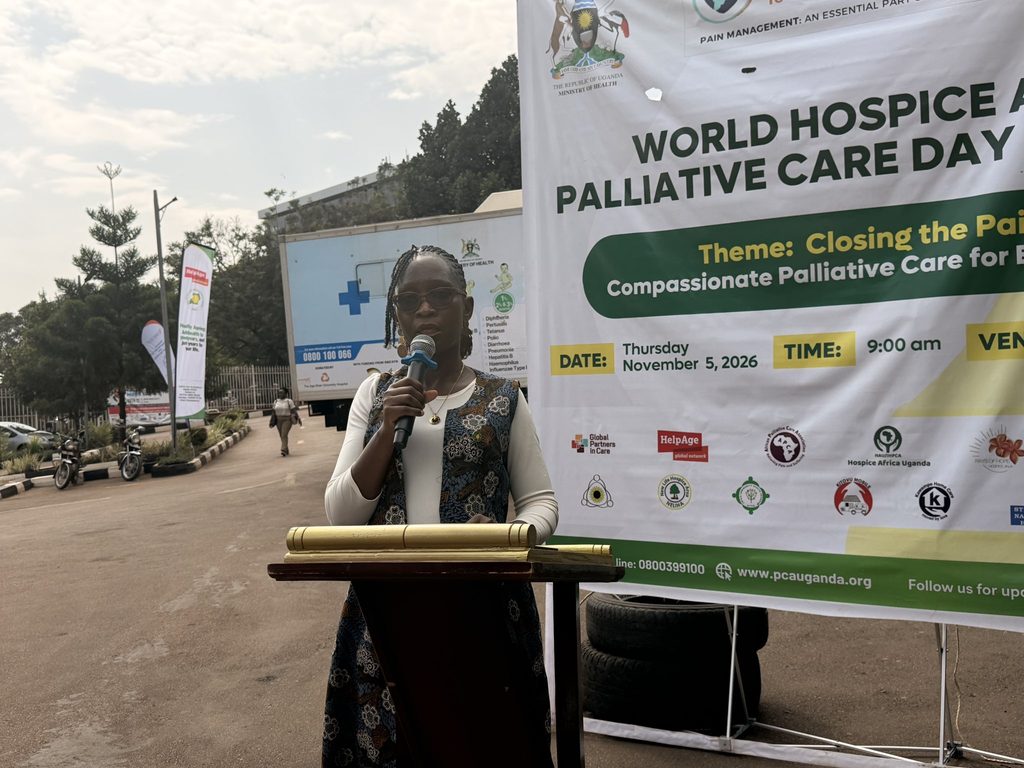
Figures presented by the Palliative Care Association of Uganda (PCAU) during the World Hospice and Palliative Care Day Baraza held at the Ministry of Health headquarters in Kampala on Thursday, November 5, 2026.
Data indicate that approximately 500,000 Ugandans require palliative care, but only 11 per cent, representing about 55,000 people, are currently reached.
This leaves nearly nine out of every ten people requiring the services without access to adequate palliative care.
The meeting, organized in partnership with the Ministry of Health, was held under the theme, “Closing the Pain Gap: Compassionate Palliative Care for Every Generation.”
Palliative care provides physical, emotional, social and spiritual support to people living with serious illnesses such as cancer, HIV, heart disease and other life-threatening conditions. It also supports families and caregivers.
The access gap reflects a wider global challenge. An estimated 56.8 million people worldwide require palliative care every year, but only 14 per cent receive it, according to figures cited in the event’s background material.
The same material indicates that 80.2 per cent of people requiring palliative care live in low- and middle-income countries, while 98 per cent of children who need the services are also in these countries. It further estimates that 18 million people die annually in avoidable pain and distress.
Speaking during the baraza, Dr. Miriam Ajambo, the Ministry of Health’s Principal Medical Officer and focal person for hospice and palliative care services, called for the integration of palliative care into community health services.
“As we continue rolling out community health initiatives across districts, we must ensure that palliative care becomes part of the services delivered to communities,” Ajambo said.
Her remarks point to the importance of extending services beyond hospitals and specialized facilities to reach patients in their homes and communities.
Palliative care is not limited to end-of-life care. It is care that improves the quality of life of patients and their families throughout the course of serious illness, beginning from the time of diagnosis,” added
Uganda has made progress in establishing palliative care services, with services reported in more than 107 districts and over 250 accredited facilities. However, the country still faces a shortage of trained health workers.
The research material indicates that Uganda has approximately 350 trained palliative care providers against an estimated national requirement of more than 3,000.
The shortage presents another challenge in reaching patients, particularly those in rural communities who may have limited access to specialised healthcare.
Uganda has also introduced policies allowing specially trained nurses and clinical officers to prescribe oral liquid morphine, a medicine used to manage severe pain. The country is recognised for its progress in integrating palliative care into the health system.
The World Health Organization (WHO) recommends that palliative care should be introduced early in the course of serious illness, alongside treatment intended to prolong life. It is not exclusively for people approaching the end of life, Mark Mwesigwa , the Executive Director PCAU Uganda said
The need extends to children, young people, adults and older persons, who may experience physical pain, emotional distress, social isolation and financial difficulties while managing serious illnesses.
The commemoration called for stronger community awareness, partnerships and expansion of palliative care services to ensure that people living with serious illnesses receive appropriate pain relief and compassionate support.