
 Mama FM
18 November 2026, 8:10 pm
Nakato Annet
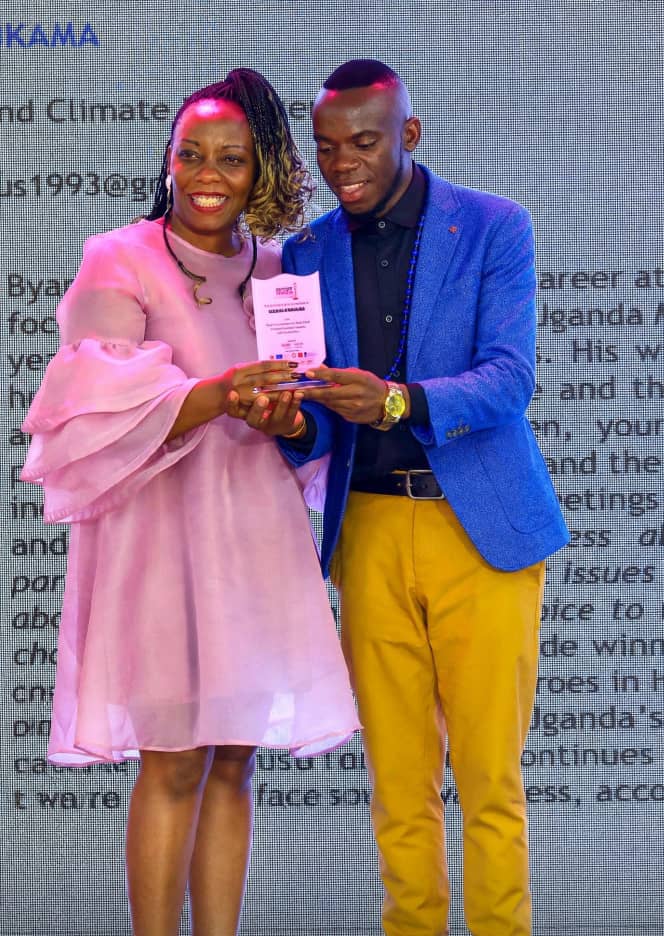
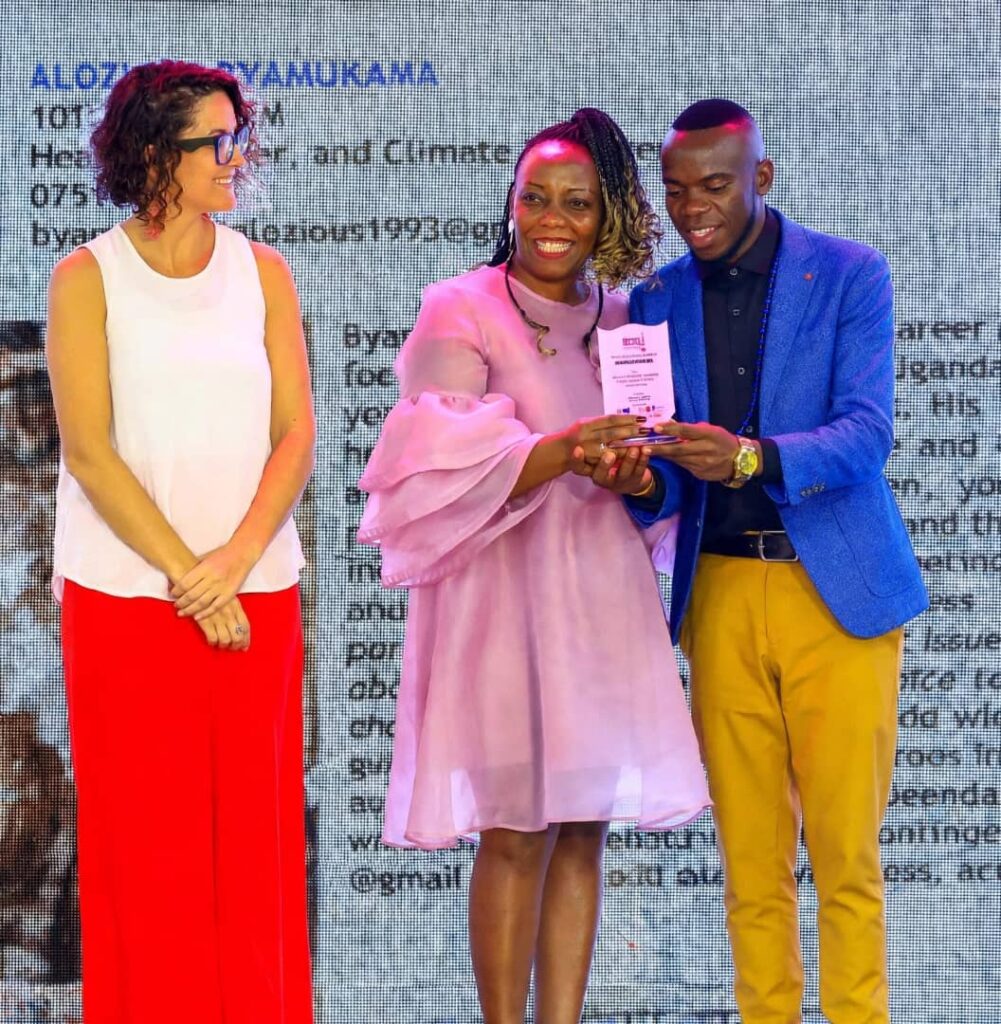
Mama FM 101.7 journalist Byamukama Alozious has won an award in the Sexual and Reproductive Health and Rights (SRHR) category at the 2026 Gender Media Awards organised by the Uganda Media Women’s Association (UMWA).
The award category was supported by ACORD-Uganda under the United Nations Population Fund (UNFPA).
Byamukama was recognised for his reporting on sexual and reproductive health and rights, particularly stories that challenge stigma surrounding reproductive health issues and amplify the experiences and voices of women and young people.
The recognition adds to his growing record in health journalism. In 2022, he won the Best Population Reporting Journalist award, before being recognised as the 2025 National Health Journalist of the Year at the African Health Summit.
The awards ceremony also provided a platform for UMWA to disseminate findings from a gender media monitoring report examining women’s representation in selected media houses in Northern Uganda.
The report paints a concerning picture of women’s visibility and participation in news production, revealing that women remain significantly underrepresented as news sources, experts and subjects of media coverage.
According to the findings, women accounted for only 21 per cent of news subjects, 19 per cent of people directly quoted and 24 per cent of individuals photographed.
The report further established that women are more than five times as likely as men to be identified through their family relationships rather than their professional identities or expertise.
Of the 449 news subjects analysed, 11 per cent of women were identified by their family status, compared to only two per cent of men.The imbalance was also evident in the roles people occupied in news stories.
Men accounted for 78 per cent of news subjects and spokespersons, 90 per cent of expert commentators and all the voices identified as representatives of popular opinion.Women, on the other hand, were more frequently featured when sharing personal experiences, accounting for 33 per cent of such voices.
However, they represented only 10 per cent of expert commentators and none of the voices of popular opinion.
Researchers warned that these gaps limit the visibility of women’s knowledge, opinions and professional contributions in public discussions, including coverage of gender-based violence, sexual and reproductive health and rights, and refugees’ rights.
The findings raise questions about whose voices journalists consider authoritative, who gets the opportunity to shape public debate and whether media coverage adequately reflects the experiences and expertise of women.
Speaking after receiving the award, Byamukama said the recognition motivates him to continue reporting on issues that affect women’s and young people’s health and rights.
He said he would continue giving attention to often-stigmatised subjects, including HIV prevention, family planning, teenage pregnancy and unsafe abortion, while promoting youth empowerment and responsible, ethical reporting on sexual and reproductive health.
The recognition also reinforces the importance of journalism that goes beyond reporting statistics and gives women and young people opportunities to participate in conversations and decisions affecting their lives.