
 Mama FM
19 November 2026, 7:02 pm
By Annet Nakato
The government’s wealth creation programmes in Kaabong District are facing implementation challenges, with most Emyooga Savings and Credit Cooperative Organisations (SACCOs) reportedly inactive, while alleged police extortion, critical health worker shortages and poor coordination between government agencies have raised concerns over service delivery.
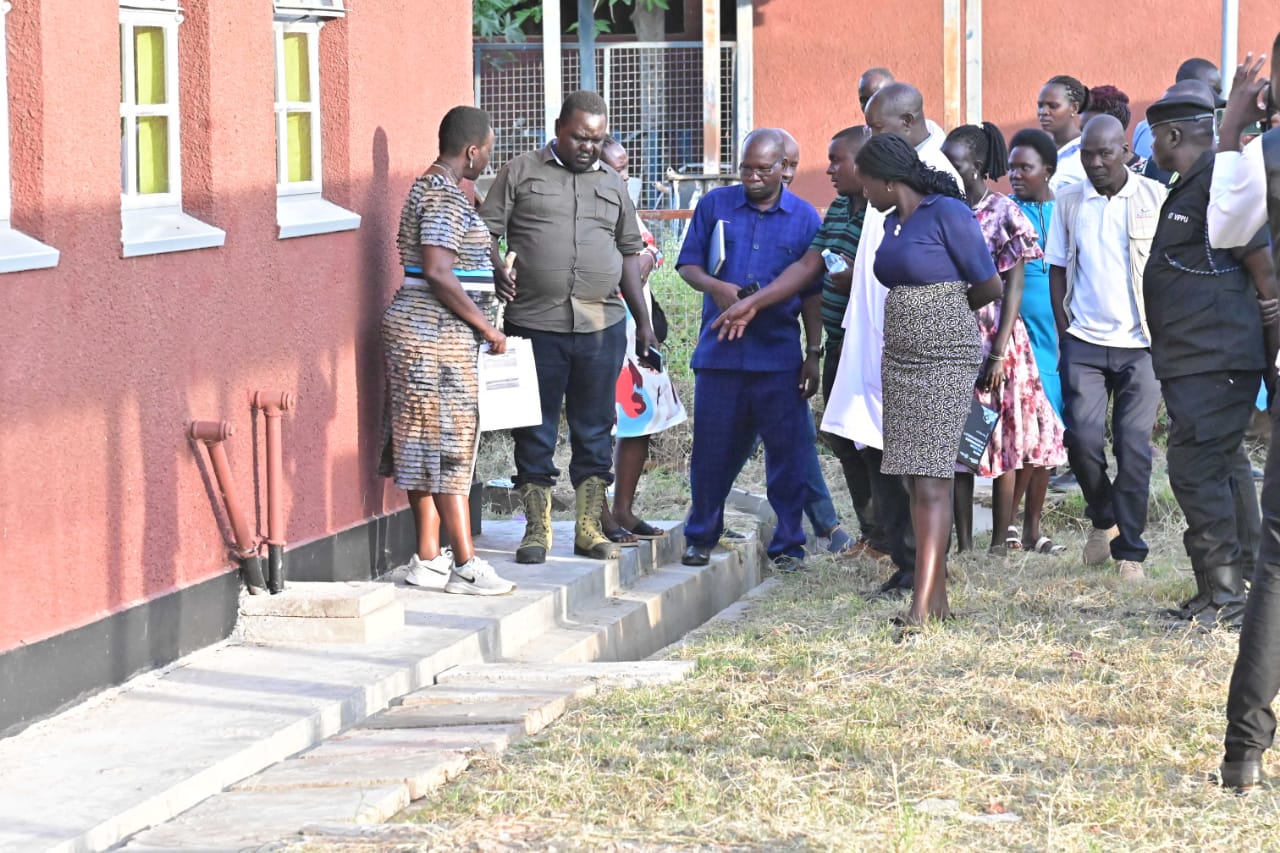
While at a monitoring visit in the district, the Minister of State for Economic Monitoring, Ms Sandra Santa Alum, said a monitoring exercise in the district had exposed weaknesses in the implementation of government interventions intended to improve household incomes and public service delivery.
Ms Alum, who was on the second day of her oversight visit to the Karamoja Sub-region, said a significant proportion of wealth creation programmes in the district were not functioning as expected.
“I must start by saying; Most of the government interventions in this district, the wealth creation programmes, a very good percentage of them are inactive. A case in point are the Emyooga SACCOs. Most of them are non-functional. Secondly, the PDM money,” she said.
The minister also raised concerns about alleged extortion by police officers, citing a case in which a person who had reported fraud to police was allegedly defrauded by the very officers expected to investigate the matter.
She claimed that a Criminal Investigations Department (CID) officer had allegedly taken Shs200,000 from a fraud victim, in addition to another Shs500,000 allegedly extracted from the victim.
“Imagine a situation where the CID also defrauds a victim of Shs200,000, a victim who has run to police, and then the CID takes about Shs200,000 and then from the victim themselves another Shs500,000. By the time a police officer is doing this, it means a lot has gone wrong in this district,” Ms Alum said.
She said the challenges facing Karamoja should not be used as justification for public officials to divert or deprive intended beneficiaries of government resources.
“We want to appreciate and also feel bad for the challenges that this sub-region is facing, but that does not mean even people who are earning money at the end of the month should deprive the targeted beneficiaries,” she added.
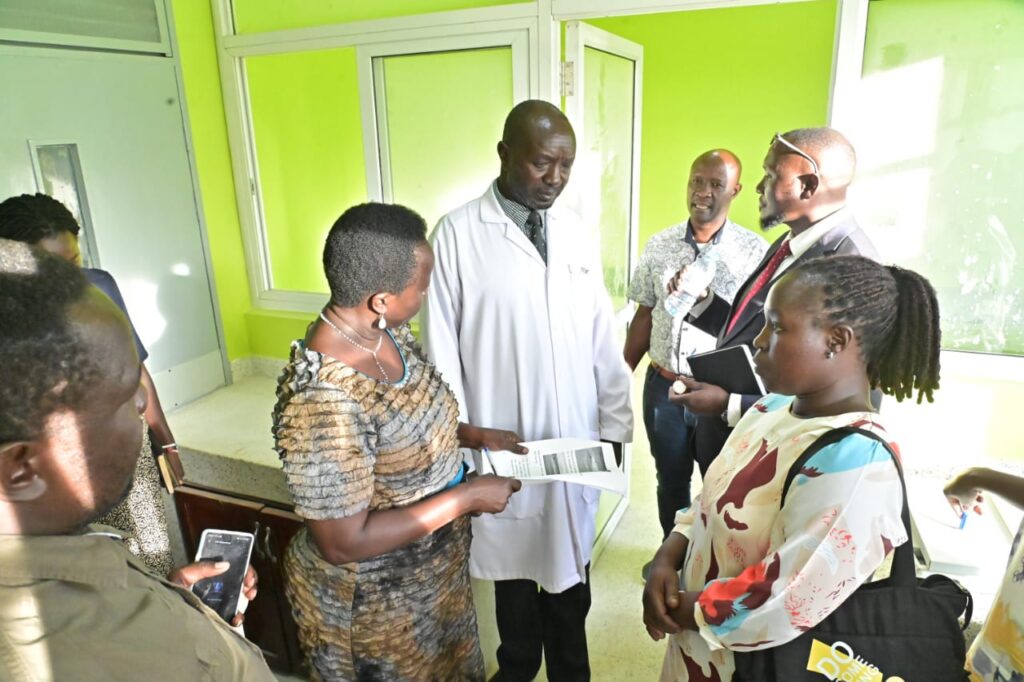
The monitoring team also visited Osake Health Centre III, where Ms Alum said it was shocking to find only two health workers and one volunteer serving a population estimated at 10,000 people, against an establishment requirement of 55 health workers.
She questioned how residents could access adequate healthcare services under such staffing conditions, noting that the shortage reflected wider weaknesses in the district’s public service workforce.
“This community is also part of this country. If there is a big challenge that we have found, it is the issue of staffing levels, first of all, at the district level. Most of the staff are volunteers,” she said.
The monitoring visit comes amid persistent challenges in Karamoja, including food insecurity, poverty, inadequate access to healthcare and limited educational opportunities.
The region has also faced difficulties in implementing government livelihood interventions, including the Parish Development Model (PDM) and Emyooga, which are intended to improve household incomes, promote enterprise development and reduce poverty.
Kaabong District Chief Administrative Officer, Mr Stephen Ibodra, acknowledged the service delivery challenges, identifying inadequate staffing as one of the district’s most pressing concerns.
He said the district’s staffing level currently stands at 49 per cent, leaving several public service units, particularly schools and health facilities, struggling to provide adequate services.
“We have several challenges that we face in this district, but one of the things which is very critical is the staffing level. We have a very low staffing level at 49 per cent and therefore many of our service delivery units, like the health facilities and schools, are severely understaffed,” Mr Ibodra said.
He added that agricultural extension services were also affected by the staffing shortage, undermining efforts to support farmers and improve agricultural productivity.
“We have got some money to do recruitment, but still it will not be enough. We would really like to ask the government to give us more money to increase our staffing position so that we are able to deliver better services,” he said.
ENDs