
 Mama FM
25 November 2026, 12:17 pm
By Annet Nakato
Prime Minister Robinah Nabanja has appealed to Rotary International to provide Uganda with additional ambulance tricycles to strengthen the country’s healthcare referral system, particularly in underserved communities.
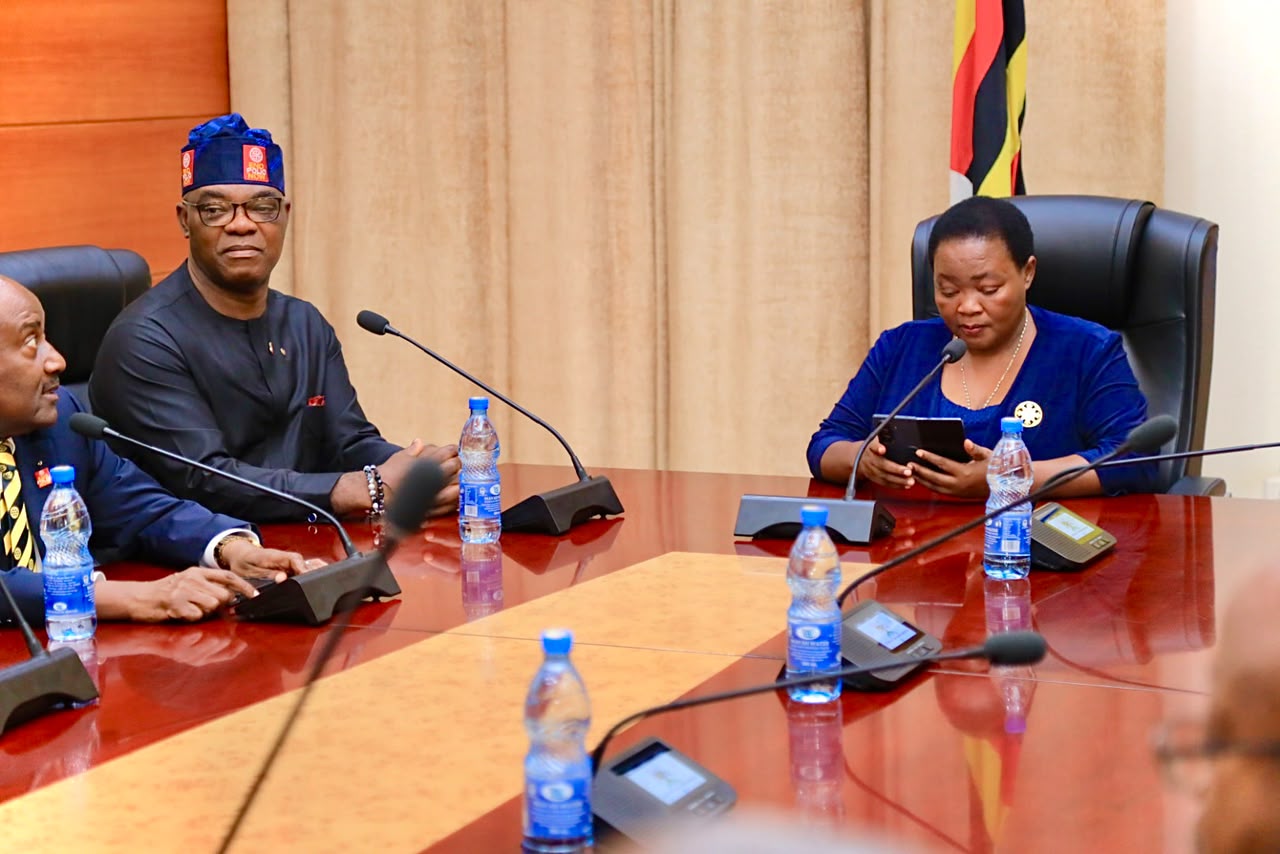
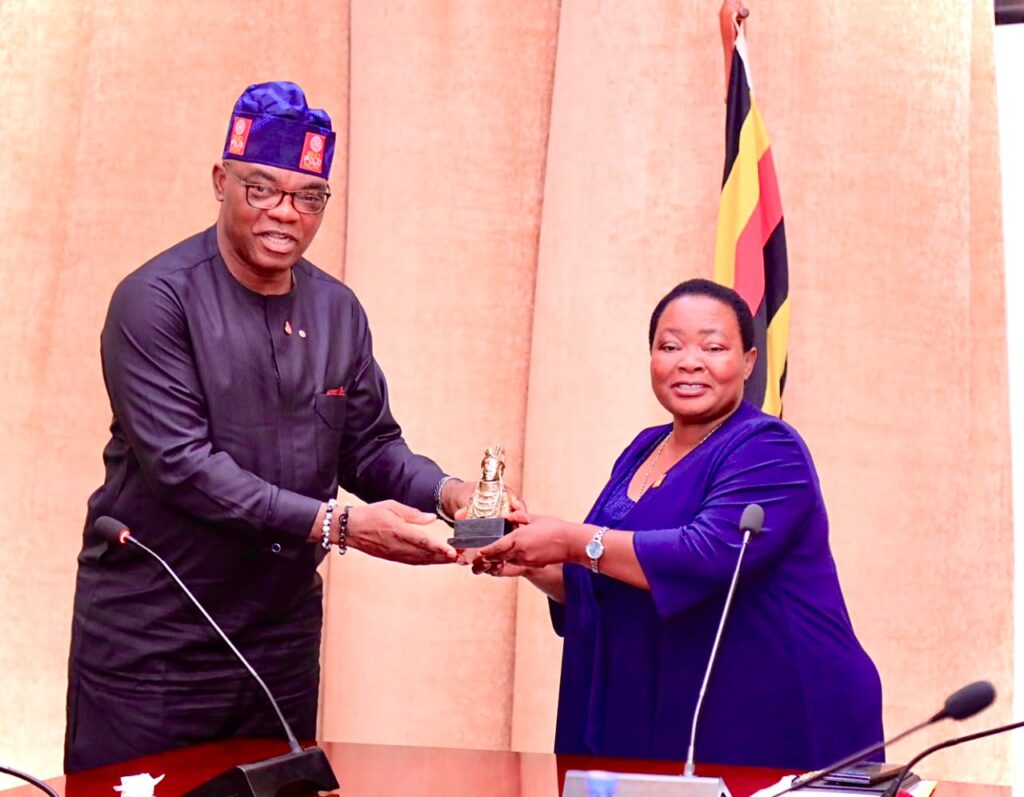
Speaking during a meeting with Rotary International President Olayinka Babalola, Nabbanja said the ambulance motorcycles and tricycles had played an important role in transporting patients from lower-level health facilities to hospitals offering higher levels of care.
She noted that although government had provided ambulances to some health facilities, more support was needed to improve emergency referrals, especially at Health Centre III facilities.
Nabbanja said Uganda currently has about 200 ambulance tricycles but requires approximately 500 more to improve access to emergency medical services across the country.
She therefore called on Rotary International to consider supporting the country with additional ambulance tricycles to reduce delays in accessing medical care, particularly for communities with limited transport options.
The Prime Minister commended Rotary International for its contribution to Uganda’s development, particularly in healthcare, education, environmental conservation and community livelihoods. She said the organisation’s community-driven initiatives complement government efforts to improve people’s quality of life.
In his remarks, Rotary International President Olayinka Babalola called on Rotary clubs to prioritise sustainable community projects that deliver lasting benefits rather than activities that end with launch ceremonies and photographs.
Babalola challenged Rotary members to consider whether projects remain functional and continue serving communities long after they have been officially launched.
He cited Uganda’s ambulance initiative as an example of sustainable intervention, noting that two ambulances provided through Rotary support were still operational.
He said such initiatives demonstrate the importance of investing in projects that respond to real community needs and continue making a difference over time.
Babalola also thanked Nabbanja for her leadership and support for Rotary’s work in Uganda, encouraging stronger engagement between government and Rotary members.
He said Rotary’s focus should remain on creating lasting impact through meaningful and sustainable community interventions, while Nabbanja welcomed the organisation’s commitment to peacebuilding and community-led development.